
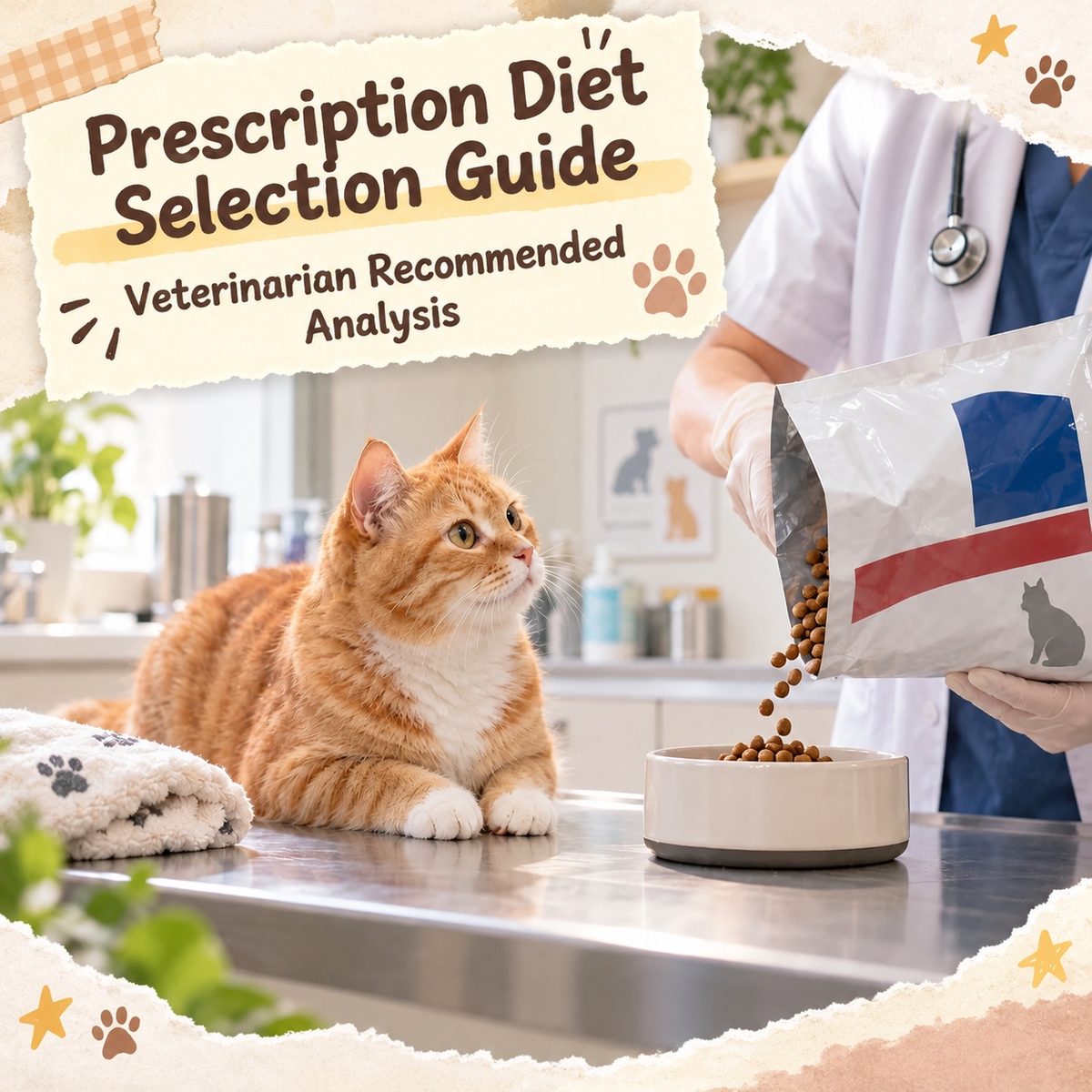
Quick answer: Hills is a US veterinary-recognised authority in prescription diets, focusing on medical scenarios such as kidney disease, urinary issues, and digestion, and must be fed under veterinary instruction; its daily main food is balanced but not high-protein, so healthy cats and dogs can choose according to needs.
In one sentence: Hills is a US "veterinary" brand, and its biggest hallmark is prescription diets for diseases—kidney, urinary, digestive, skin, and joint conditions all have corresponding formulas, often recommended by vet clinics; but its daily main food is not high-protein. If your pet has health issues, Hills is a good tool in the vet's hands; whether healthy cats and dogs need it requires assessment based on needs. Below we break down the brand philosophy, product lines, and selection logic.
What is Hills' background? What is its philosophy?
Hills originates from the US and is a veteran in pet nutrition. Its philosophy can be summed up in four words: scientific feeding—believing that precise, evidence-based nutritional combinations can help prevent and manage diseases. This starting point is clearly different from ordinary brands that "sell tasty food": Hills works closely with the veterinary professional circle, its R&D team is mainly nutritionists, and its product line extends from daily nutrition all the way to dietary solutions that support treatment.
Core features:
- Veterinary brand—a staple in vet clinic channels; many clinics recommend it as first choice
- Prescription diet authority—independent formula series for different diseases
- Scientific R&D—led by nutritionists, with high quality standards and batch consistency
- Medical scenario oriented—products designed for "cats and dogs with health problems"
Simply put, the correct angle to understand Hills is not "is this food expensive or tasty", but "what role does it play in medical management".
What product lines does Hills have? Distinguish prescription diets from main food
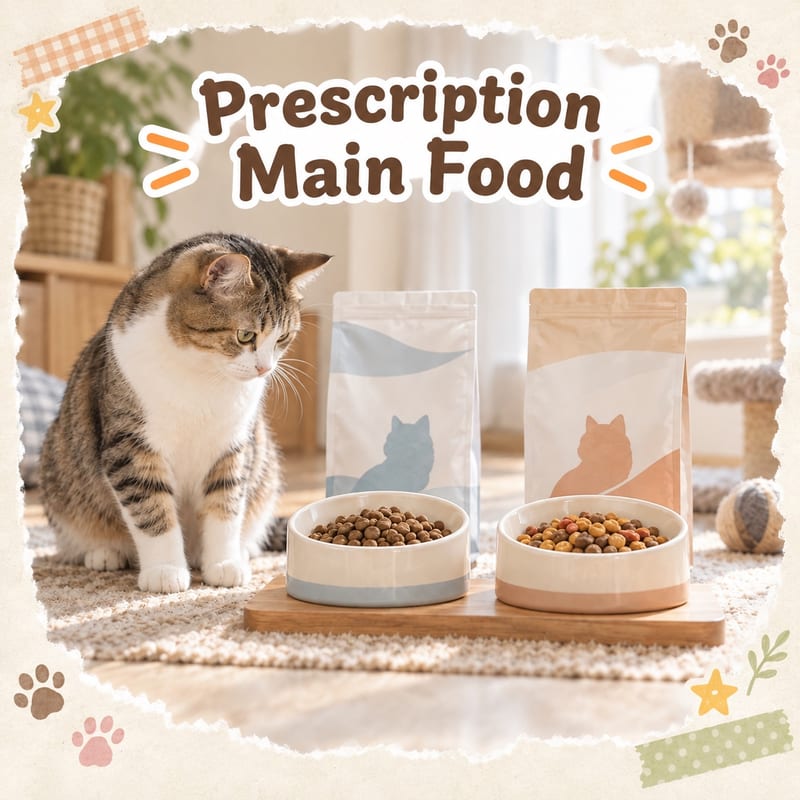
1. Prescription Diet—diet for diseases, requires veterinary assessment and prescription:
| Direction | Formula approach |
|---|---|
| Kidney disease | Low phosphorus, moderate protein control |
| Urinary tract | Control minerals, influence urine environment |
| Gastrointestinal digestion | Easy to digest, low residue |
| Skin sensitivity | Sensitive skin formula |
| Joint | Joint support ingredients |
2. Main food (Science Plan / Science Diet)—daily feeding series, divided by life stage (kitten, adult, senior) and needs (indoor cat, weight control). Nutritionally balanced with scientific basis, but meat content and protein are not its selling point.
The positioning of the two lines is clear: prescription diets are part of a medical plan, main food is daily sustenance. Treating prescription diets as "upgraded ordinary food" and feeding long-term on your own, or treating main food as "sick cat food" hoping it will handle disease, are common misdirections.
Practical approach when choosing Science Diet main food: first confirm life stage (kitten, adult, over seven years), then look at lifestyle (indoor cat or outdoor cat), and finally match weight management needs. Within the same stage there are texture versions (dry kibble size, canned wet food); just pick the one your cat likes to eat—no need to agonise over "which is best"—differences at the main food level are far less important than "can they eat it, and is it stable".
Why must prescription diets follow veterinary instructions?
This point must be made clear: prescription diets are not "upgraded ordinary food", but dietary treatment. There are three reasons:
- Formula must match the condition to be effective—even for kidney cats, different stages have different protein and phosphorus requirements; feeding the wrong formula not only doesn't help but may increase the burden.
- Requires follow-up checks—during prescription diet feeding, the vet will adjust the plan based on blood and urine results; feeding on your own easily misses this monitoring step.
- Do not stop or switch arbitrarily—whether switching from prescription diet back to main food, or to another prescription diet, should follow veterinary arrangements with gradual transition.
So if the vet prescribes Hills (or another brand) prescription diet, the correct approach is: follow the prescribed formula, portion, and course, and attend follow-up appointments on time; if you have doubts during feeding (won't eat, vomiting, diarrhoea), discuss with the vet first, do not add food or mix food on your own.
Two additional home cleaning reminders: cats on prescription diets often have more sensitive digestion than healthy cats, transition steps should be slower than usual, starting with 20% new food and 80% old, increasing by 20% each time and observing for two to three days; canned or wet versions should be covered and refrigerated after opening and consumed within 24 hours, do not keep leftovers for the next evening. These details seem minor, but for cats and dogs in recovery, stability is part of treatment effectiveness.
Is Hills good? Look at the situation, don't generalise
Pros:
- Prescription diet authority—deep experience in disease-specific formulas, vet recommendations are evidence-based
- Stable quality—scientific production, high batch consistency
- Medical support—integrates with clinic dietary management plans
Points to note:
- Daily main food protein is not the highest—different path from high-meat brands like Orijen and ACANA; healthy cats and dogs seeking high protein need to compare elsewhere
- Prescription diets cannot be fed arbitrarily—wrong direction can be harmful
- Pricing is medical-oriented—some prescription diets cost significantly, a long-term management expense
One-sentence conclusion: for disease needs, Hills (or prescription brands like Royal Canin) is a good helper for vets; for purely healthy daily feeding, it is not the only answer.
Hills vs Royal Canin? Or high-protein natural food?
The three are not in the same lane:
| Scenario | More suitable direction |
|---|---|
| Cat or dog with diagnosed disease, vet prescribes | Follow vet's prescription diet (Hills or Royal Canin) |
| Want precise feeding by breed/life stage | Royal Canin breed-specific lines etc. |
| Healthy cats and dogs, seeking high meat and high protein | Natural foods like Orijen, ACANA |
Hills and Royal Canin are both common prescription diet giants in clinics; which to use is often decided by the attending vet's plan; switching between the two prescription diets also requires asking the vet. As for "do healthy cats need prescription diets"—generally no, prescriptions are designed for illness.
When to see a vet immediately?
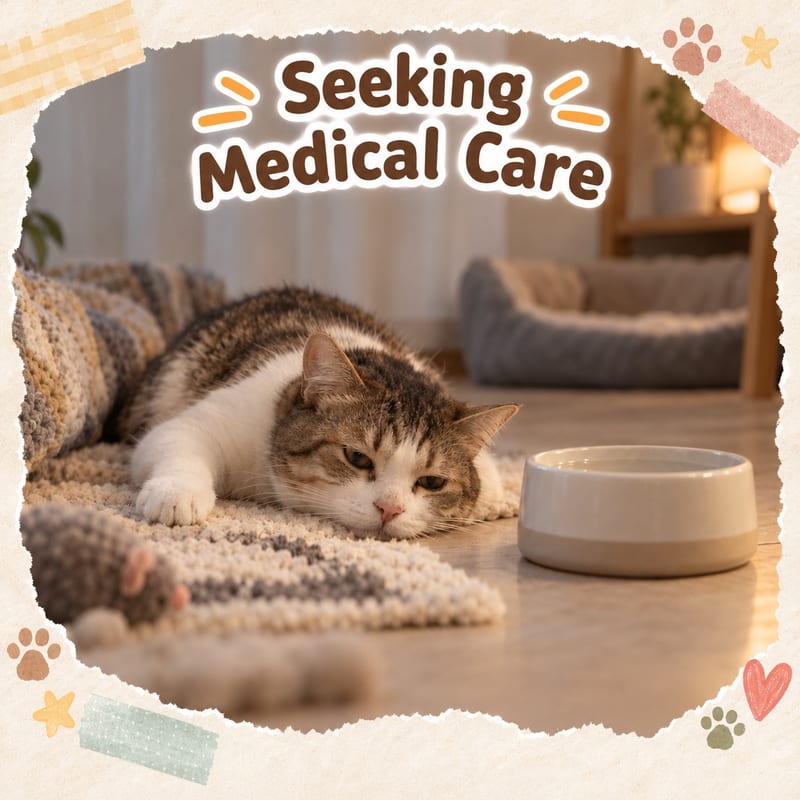
Dietary arrangements can never replace disease treatment. Seek medical help as soon as possible if the following symptoms appear, do not expect a food switch to solve them:
- Frequent litter box visits but no urine, blood in urine, urinating outside the litter box—urethral obstruction in male cats is an emergency, requires immediate treatment
- Vomiting or diarrhoea lasting more than a day, complete loss of appetite
- Sudden surge in drinking and urination, rapid weight loss—may be kidney or endocrine problems
- Condition changes while on prescription diet—do not adjust on your own, contact the attending vet immediately
What you can do starting today
- Check clearly whether the Hills package at home is "prescription diet" or "Science main food"; the two uses are completely different
- If you have prescription diet, note the vet follow-up date and feed strictly as instructed
- Before switching healthy cats and dogs to Hills main food, compare the ingredient list with your own needs (protein, weight, age)
- For cats with a history of kidney or urinary disease, consult the vet before any change in feeding plan
- Record your pet's daily food intake and water consumption for the vet's reference at follow-ups
- When switching from veterinary prescription back to daily main food, also ask about follow-up arrangements and transition gradually, not in one day
- Stock two extra weeks of food; prescription diets are harder to replenish immediately when out of stock, affecting treatment continuity
Want to figure out whether your cat falls into a situation requiring dietary management? PetChill's cat food guide and urinary and kidney care articles cover everything from symptoms to feeding arrangements; read first then discuss with your vet.
Further reading:
- 2026 Hong Kong Cat Food Recommendation Complete Guide →
- Royal Canin Brand Guide →
- ACANA Brand Guide →
- Cat Kidney Care Guide →
This article is for reference only; consult a registered veterinarian for any concerns.
📌 Key summary
- ✅ Prescription diets target kidney, urinary, digestive and other diseases; feed only when prescribed by a vet
- ✅ Main food is divided into kitten, adult, senior, indoor, and weight control versions
- ❌ Never treat prescription diets as upgraded ordinary food for long-term feeding
- ❌ Stopping or switching prescription diets on your own or mixing randomly can worsen the condition
- ✅ Transition food gradually; sick cats with sensitive digestion need slower transition
- ✅ Seek medical help immediately for blood in urine, no urine, or persistent vomiting/diarrhoea
 Royal Canin full guide →
 ACANA full guide →
 Orijen full guide →



