Quick answer: When choosing kitten food, the most important things are protein ≥35%, fat ≥20%, the first three ingredients being named meats, and kibble smaller than 1cm. Then match your kitten's digestion, budget and palatability among Orijen, Royal Canin, Hill's, Wellness Core and Instinct.
The core conclusion for choosing kitten food: protein ≥35%, fat ≥20%, first three ingredients are named meats, small easy-to-chew kibble, then match among 5 popular foods based on digestion, budget and palatability. This article teaches you how to judge whether a kitten food is good, and compiles a 2026 comparison of 5 kitten foods in Hong Kong.
Why can't kittens eat adult cat food?
Kittens (0-12 months) are in a rapid growth phase, and their nutritional needs are very different from adult cats:
- Protein: ≥35% (adult cats only need about 30%) — muscles, organs and the immune system all depend on protein
- Fat: ≥20% — provides high-density calories, supports body temperature regulation and development
- DHA: helps brain and vision development, mostly from fish ingredients
- Calcium-phosphorus ratio: about 1.2:1 is ideal, related to bone and teeth development
Adult cat food's protein and calories are insufficient for a kitten's growth rate, and long-term accidental feeding may lead to poor development and lowered immunity. Similarly, adult cats eating kitten food long-term easily take in too many calories and become overweight — neither direction is right.
How to read an ingredient list yourself?
You don't need to memorise brands; just remember these four hard criteria, and no food can stump you:
- The first 3 ingredients should be meats (chicken, turkey, fish, preferably named and sourced), not vague terms like "meat by-products"
- Avoid large amounts of fillers like corn and wheat appearing near the top of the ingredient list
- Confirm it is labelled "complete and balanced", meaning it can be the sole main food, not just a treat or mixer
- Kibble diameter should be less than 1cm — kittens have small mouths, and too-large kibble will be refused or swallowed too quickly
| Item | Pass line | Ideal value |
|---|---|---|
| Protein | ≥35% | 38-40% |
| Fat | ≥20% | 20-25% |
| First ingredient | Meat | Named fresh meat |
| Kibble size | <1cm | Softenable formula |
2026 Hong Kong 5 kitten foods reviewed one by one
1. Orijen Kitten Food — Made with fresh chicken, turkey and wild fish, rich in DHA to support brain and vision development, the highest protein specification in this comparison.
- Protein 40% | Price about $450-550/month | Grain-free, rich in DHA | For owners seeking the best nutrition
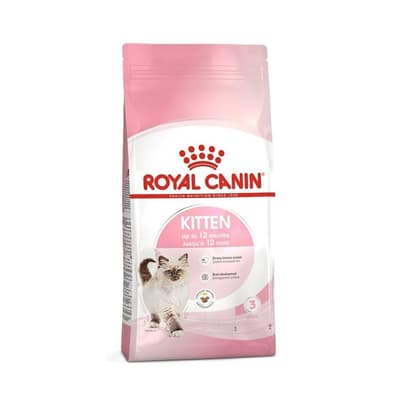
2. Royal Canin Kitten Food — French veterinarian-backed brand, highly digestible, especially small kibble suitable for kittens' small mouths, safe for kittens with sensitive stomachs.
- Protein 36% | About $250-350/month | Small kibble, easy to digest | For kittens with sensitive stomachs
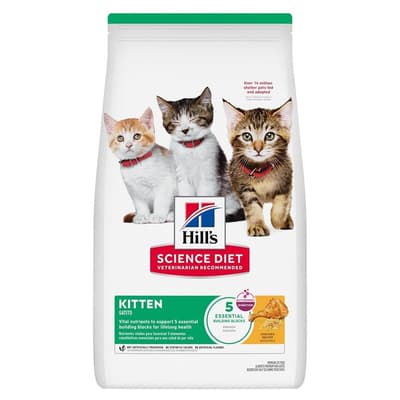
3. Hill's Science Diet Kitten Food — Added antioxidants to help strengthen immunity, especially suitable for frail kittens or those just weaned who need extra protection.
- Protein 34% | About $220-320/month | Antioxidant formula | For frail or newly weaned kittens
4. Wellness Core Kitten Food — Grain-free high-meat formula, protein at 38%, suitable for kittens sensitive to grains or needing high protein to support development.
- Protein 38% | About $300-400/month | Grain-free, high meat content | For grain-sensitive kittens
5. Instinct Kitten Food — Coated with raw food on the surface, full of flavour, excellent palatability, suitable for picky kittens, making mealtime no longer a problem.
- Protein 37% | About $350-450/month | Raw coating, good palatability | For picky kittens
Comparison table of 5 kitten foods
| Brand | Protein | Price/month | Features | Suitable for |
|---|---|---|---|---|
| Orijen | 40% | $450-550 | Grain-free, rich in DHA | Seeking best nutrition |
| Royal Canin | 36% | $250-350 | High digestibility, small kibble | Sensitive stomach |
| Hill's Science Diet | 34% | $220-320 | Antioxidants, boosts immunity | Frail kittens |
| Wellness Core | 38% | $300-400 | Grain-free, high meat content | Grain-sensitive |
| Instinct | 37% | $350-450 | Raw coating, good palatability | Picky kittens |
No single food wins on all counts: choose Orijen if budget allows, Hill's or Royal Canin for value and veterinarian backing, avoid grain-containing formulas for sensitive stomachs or grain sensitivity, and picky cats can try Instinct first. Prices are approximate estimates; actual price and intake prevail.
Kitten feeding guide: how old, how often?
Kittens have small stomachs but high calorie needs, small frequent meals are key:
| Age | Meals per day | Key points |
|---|---|---|
| 2-3 months | 4 | Small frequent meals, can soften with warm water |
| 3-6 months | 3 | Portion according to package weight table |
| 6-12 months | 2-3 | Gradual transition, control calories |
A few practical details:
- Soak food with warm water, not boiling water; boiling water destroys nutrients and burns the mouth
- Free feeding requires total amount control; leaving a whole bag open for them to eat freely easily leads to a chubby cat
- Feed at constant temperature and time; kittens respond well to regular eating, making appetite changes easy to observe
- Remove leftover wet food or softened food after 1 hour, don't leave it all day
How to switch food without diarrhoea?
Kittens' stomachs are more sensitive than adult cats; use the 7-day transition method: days 1-2 new:old 1:3, days 3-4 1:1, days 5-6 3:1, day 7 fully switched. Observe stools during this period; if soft stool occurs, go back to the previous ratio and proceed more slowly. When transitioning from milk to dry food, choose a softenable formula as a bridge.
Kitten tableware and feeding station details
To do a good job, one must first sharpen one's tools — the hardware for a kitten's meal is actually simple, but must be right:
- Choose a shallow, wide bowl: kittens are sensitive about their whiskers; deep narrow bowls discourage eating; ceramic or stainless steel is easy to clean, avoid scratched plastic bowls
- Separate food and water from cat litter: cats don't like eating next to the toilet; keep the food and water station away from cat litter
- Wash and change water daily; a flowing water fountain can stimulate interest in drinking, helpful for urinary health
- Place the food bowl in a fixed quiet corner: kittens are wary; a busy corridor is not an ideal dining room
- Rinse the bowl with water after each feeding; wet food residue breeds bacteria
Get these right, and later food transitions, appetite observation and hygiene will be much smoother, and the stress of a kitten adapting to a new environment will be reduced.
5 common mistakes for new kitten owners
- Feeding only canned treats as meals — treats are not labelled "complete and balanced"; long-term replacement of main food leads to nutritional deficiency; look for main food on the label.
- Feeding milk — most cats cannot digest lactose; feeding milk easily causes diarrhoea; before and after weaning, use pet-specific milk powder, not human dairy.
- Making do with adult cat food for kittens — insufficient protein and calories affect development; before buying, check whether the package says "kitten" or "adult".
- Leaving right after eating, no observation — kittens should be watched per meal; eating too fast easily causes vomiting; solve with small frequent meals and a slow feeder.
- Leaving wet food out all day — wet food and softened food spoil quickly at room temperature; remove leftovers within an hour; if refrigerated overnight, warm before feeding.
Also note: don't chase the "most expensive" kitten food; suitable for the age, owner willing to read the ingredient list, cat willing to eat and normal stools — that is truly good food.
When to see a vet?
In the following situations, stop trying foods on your own and consult a registered veterinarian as soon as possible:
- Refusing food for more than 24 hours, or appetite noticeably declining for several days
- Persistent vomiting or watery diarrhoea — kittens dehydrate much faster than adult cats
- Lethargy, weak response to calls, ear tips and paw pads noticeably cool to the touch
- Long-term soft stool after food transition, weight not increasing but dropping
This article is for reference only; consult a registered veterinarian for problems.
What you can do starting today
- Turn over your kitten food packaging at home and check each of the four hard criteria in this article.
- Set the daily number of meals according to your cat's age, and write it on a sticker on the fridge.
- Plan your next food transition or flavour change using the 7-day transition method.
- To see more individual cat food breakdowns, browse PetChill's cat food reviews and supplies guides.
Related product recommendations
The most important thing when choosing food is your cat's age, digestion and taste response. Below are products related to this article, available at PetChill:
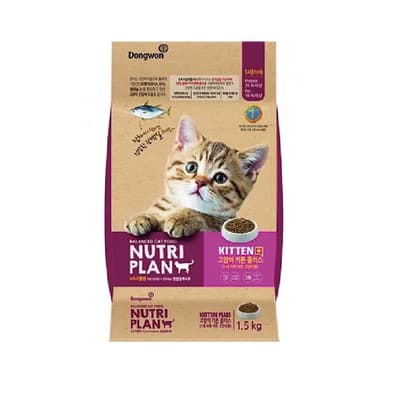
- Nutriplan Cat Food Nutrition Project Kitten Formula 1.5kg (64353) - Limited-time offer (Nutriplan Nutrition Project) — kitten-specific nutrition ratio
- Hills Cat Food Life Stage Series Kitten Formula Chicken 540g (609888) (Hills) — kitten-specific nutrition ratio
Want to see more: Nutriplan Nutrition Project Brand Guide
Product prices and latest offers are subject to the product page; this article is for reference only.
Further reading
- Complete Cat Food Guide →
- Orijen Cat Food Review →
- CANAGAN Cat Food Review →
- Complete Cat Litter Guide →
- Cat Breed Encyclopedia →
- Pet Health Guide →
📌 Key summary
- ✅ Protein ≥35%, fat ≥20% is enough for kitten development
- ✅ The first three ingredients should be named meats
- ✅ Kibble smaller than 1cm, kittens will eat it
- ❌ Long-term adult cat food for kittens causes poor development
- ❌ Wet food left out all day spoils easily
 Royal Canin full guide →
 Wellness Core full guide →
 Orijen full guide →