Quick answer: Soft chewy treats are designed for cats and dogs with weak teeth, whether young or old. They are easy to bite, keep training fast-paced, and are easy to portion. Just choose ones without added sugar or colouring, look for VOHC dental certification, and keep calories within 10% of the main diet to safely combine reward and health.
Not every cat or dog can chew hard food—soft chewy treats are made for senior cats and dogs, small breeds, and pets with weak teeth. The key takeaway: soft treats offer three main benefits—easy to bite, quick to swallow for training, and easy portion control. When choosing, watch out for added sugar and colouring. If you want dental benefits, look for VOHC certification. And always count the calories within the 10% limit of the main diet.
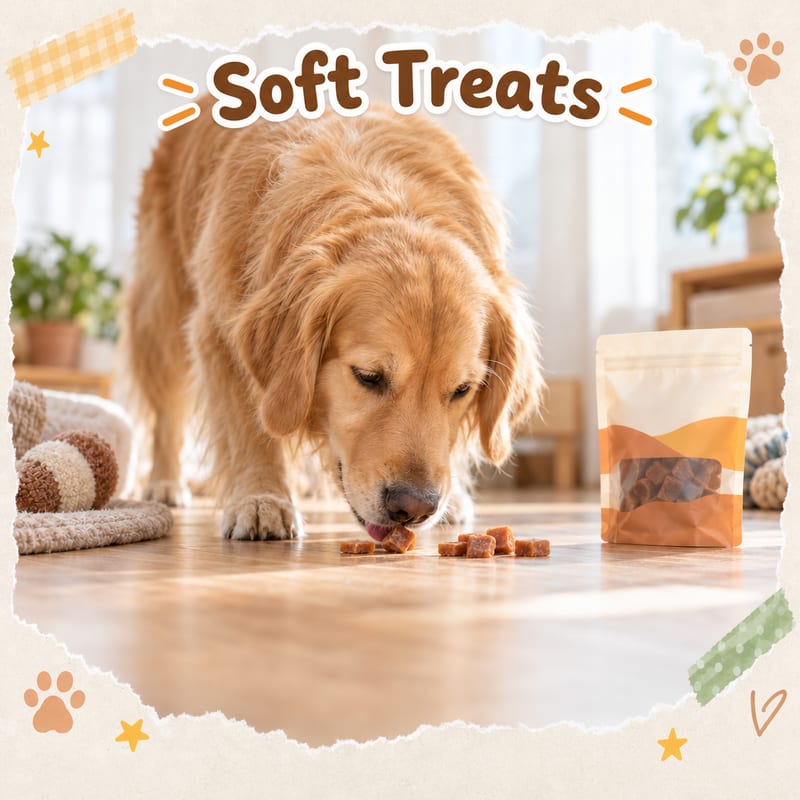
What are soft chewy treats?
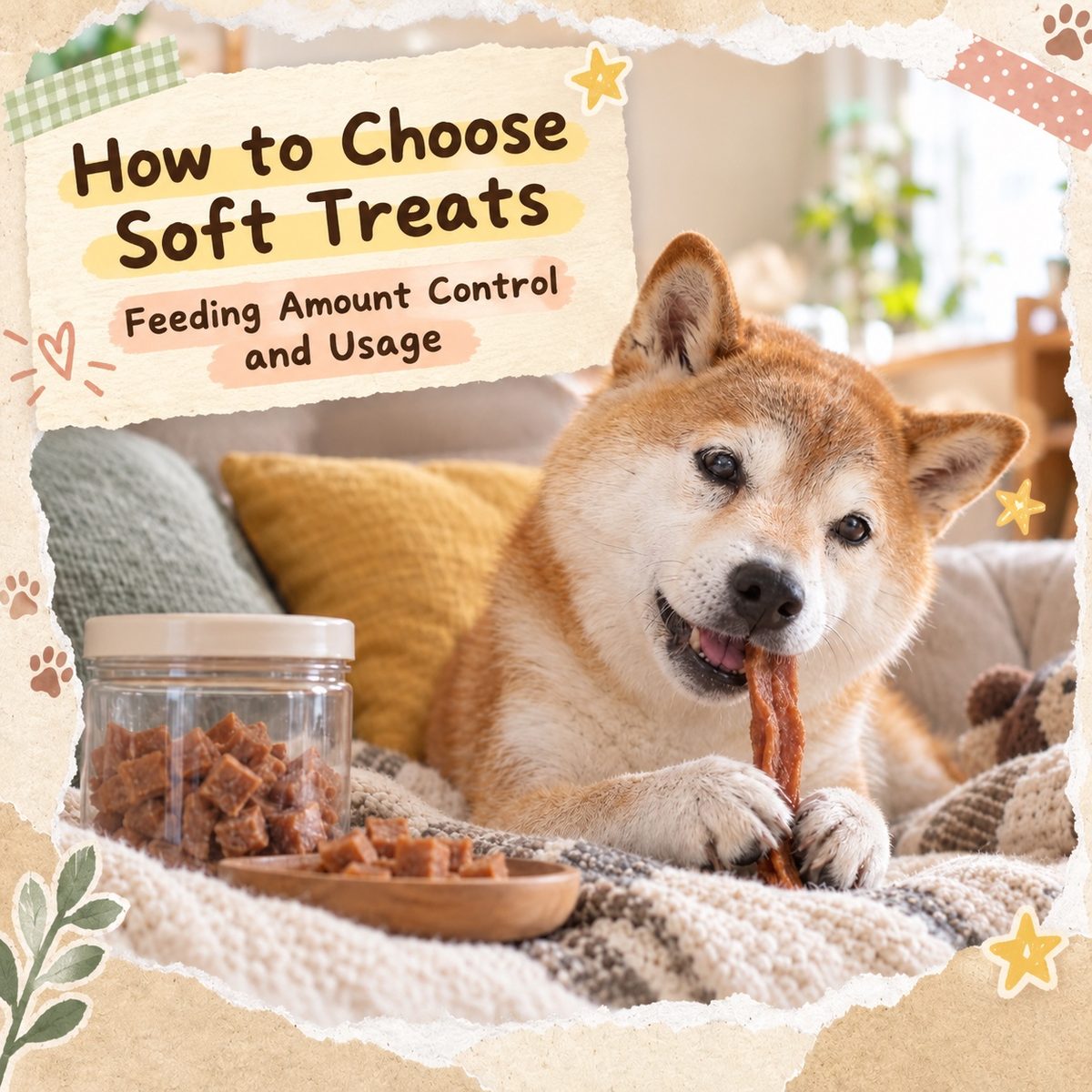
Soft chewy treats are soft, easy-to-bite snacks, not as hard as dental chews:
- Suitable for—senior cats and dogs, small breeds, weak teeth, short-muzzled flat-faced breeds
- Texture—soft, easy to break, doesn't strain the jaw
- Uses—training rewards, snacks, dental care (certified products)
Tip: Soft chewy treats are soft and easy to bite—suitable for senior cats and dogs, small breeds, and weak teeth. They can chew them and enjoy them without struggling with hard bones.
Four benefits of soft treats
- Easy to bite—suitable for young and old, weak teeth; no waste because they can't chew.
- Training essential—quick to chew and swallow, so the reward rhythm isn't broken; you can repeat many times in one training session.
- Dental options—some formulas contain abrasive particles to help reduce tartar (look for VOHC certification).
- Easy portion control—soft pieces can be counted individually, making calorie estimation easy.
| Hard dental chews | Soft chewy treats | |
|---|---|---|
| Chewing strength | Strong | Medium |
| Ease of biting | Difficult | Easy |
| Training suitability | Low | High |
| Suitable for | Adult strong dogs | Young, old, weak teeth |
Hard chews are strong for chewing but hard to bite; soft treats are easy to bite and convenient—choose according to your pet's needs. They don't conflict; you can divide the roles: hard chews for adult dogs to pass time, soft treats for training and snacks.
Why are soft treats so good for training? Because rewards need to be "immediate" and "quick": soft pieces can be chewed and swallowed in two or three seconds, and the dog is ready for the next cue. If they have to gnaw on a hard chew for half a minute, the training rhythm is disrupted, and the pet's motivation to learn gradually fades.
How to choose soft treats?
Four key points when choosing:
- Watch additives—less sugar, glycerin and colouring is better; meat should be first on the ingredient list.
- Watch allergies—beef and chicken are common allergens; for sensitive pets, choose single proteins (duck, venison).
- Piece size—for training, choose small pieces (nail-sized); for cats and toy dogs, choose micro sizes to avoid swallowing whole.
- Dental options—look for certification (VOHC); "dental" without certification is just a slogan.
Tip: Soft treats have higher moisture than hard chews and are more prone to mould—refrigerate after opening, write down the opening date, consume within the recommended time, and discard if sticky or smelly.
How soft treats and hard chews divide the work
They are not opposites: adult dogs can use hard dental chews to pass time, but when they become senior, after tooth extraction, or for flat-faced breeds (French Bulldogs, Pugs), you should switch to soft treats—their mouth structure simply cannot chew hard things, and forcing it is just torment.
Which soft treat for which pet?
- Senior with weak teeth—choose the softest, small-piece version; don't force them to struggle with hard chews.
- Training pouch—nail-sized small pieces, count the pieces per session.
- Weight loss period—choose low-calorie soft treats, or soak regular kibble until soft and use as "soft treats" for rewards.
- Sensitive pets—single-protein soft treats like duck or venison; try one at a time.
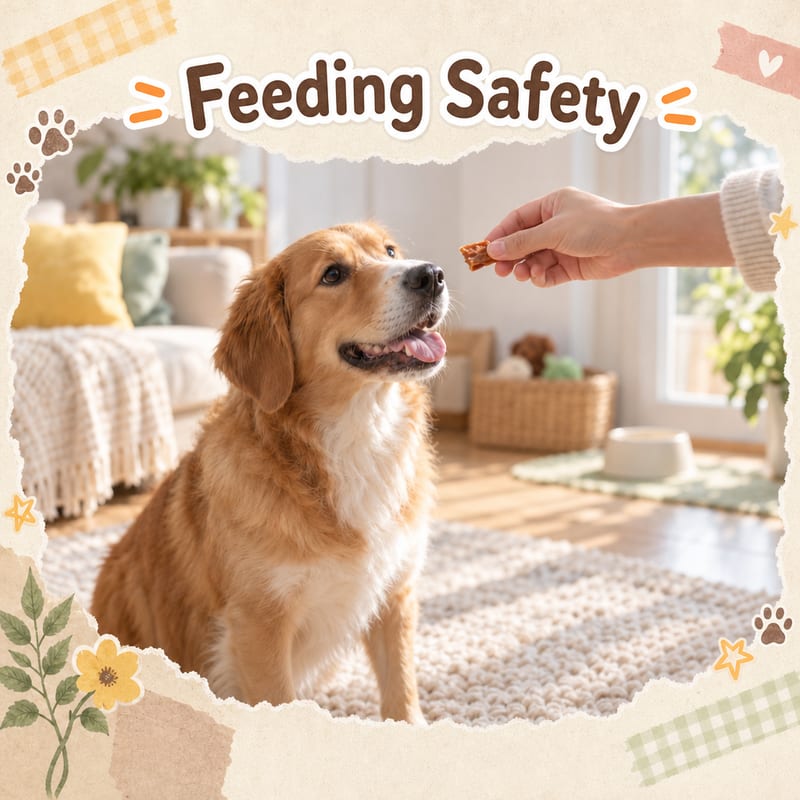
Safety notes for feeding soft treats
- Calories—soft treats are generally energy-dense and easy to overfeed; do not exceed 10% of the main diet's calories, and reduce the main meal on training days.
- Size—even soft treats are solid; watch pets that eat quickly to prevent choking.
- Sugar—some soft treats contain syrup to stay soft; avoid for diabetic cats and dogs. For diabetic pets, use diced cooked chicken breast or low-sugar formulas instead.
- Storage—soft treats have a strong smell; if left low, pets can easily steal them. Store in airtight containers up high.
- Testing new products—buy a small pack first when switching brands; if no soft stool after three days, switch to the larger pack.
- Alternatives—diced cooked chicken breast is a natural soft treat, but count the calories.
- Puppies—from about 8 weeks, small soft treats can be used for training; choose puppy-appropriate sizes.
When to see a vet: If your pet vomits after eating treats, has difficulty swallowing, or has loose teeth or bleeding when biting, consult a registered veterinarian for an oral examination.
What you can do starting today
- Check your pet's teeth: if senior or weak teeth, switch to soft treats.
- Change your training pouch to small soft treats and count the pieces per session.
- Before buying dental treats, check for VOHC certification.
- After opening, refrigerate and write down the opening date; discard after the recommended time on the packaging.
- After each training session, count the pieces and update your feeding record immediately.
Soft treats are suitable for cats and dogs that can't chew hard things and are very convenient for training rewards. Want to compare natural soft treat brands? PetChill's pet supplies guide helps you choose. This article is for reference only; consult a vet if in doubt.
Related product recommendations
When choosing food, the most important things are your pet's age, digestion and taste preferences. Here are products related to this article available at PetChill:
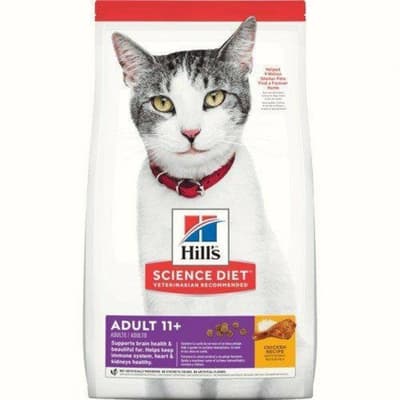
- Hills Cat Food Senior Adult 11+ 7lb (1463) (packaging may vary) (Hills) — senior formula
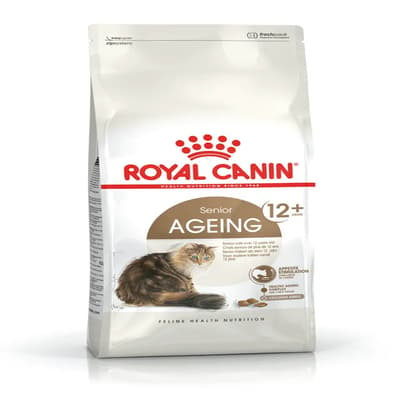
- Royal Canin Cat Food Ageing FHN 12+ 50g (2269500) (gift) (not for sale) (Royal Canin) — senior formula
See more: Hills Brand Guide
Product prices and latest offers are subject to the product page; this article is for reference only.
Further reading
Hong Kong small flat practicalities: daily soft treat routine
Space is tight in Hong Kong, and storage and temperature are challenges. Here's a daily routine using a 300 sq ft flat as an example, putting the article's advice into practice.
7:30 am | 3-minute check before leaving home
- Open the fridge and take out the "today's training pouch" already portioned last night—use zip-lock bags with 10 pieces per small pack, write the opening date on the bag, and avoid taking the whole pack in and out.
- Gently touch your pet's gums; if you find loose teeth or bleeding, stop all treats that day and book a vet appointment.
12:00 pm | Walking the dog on the way to work
- Take 5 small soft treats out for a "sit and wait to cross the road" practice. Each reward takes <3 seconds, so the training rhythm isn't broken by waiting for the light.
- Put the remaining 5 pieces back in the bag to avoid sun exposure making them soft and smelly.
7:00 pm | Interaction at home
- Use a kitchen scale to weigh the main meal first, then subtract the calories from soft treats used (about 2 kcal per piece, so 5 pieces = 10 kcal deducted).
- If the 10% limit is reached for the day, use soaked regular kibble as rewards instead; it still has a soft texture.
10:00 pm | Final check before bed
- Put remaining soft treats back in the dedicated fridge door compartment at about 4°C to slow spoilage.
- Check zip-lock bags for air leaks; if pieces become sticky, throw the whole pack in the bin—don't be soft-hearted.
Weekend deep clean
- Once a month, empty all soft treats from the fridge and check expiry dates; discard expired or discoloured ones.
- Wipe airtight containers with 1:99 bleach solution, air dry, then refill to prevent mould in Hong Kong's humid weather.
By following this routine, even in a 300 sq ft flat you can store safely and count calories accurately, making soft treats a true training partner.
📌 Key summary
- ✅ Soft treats are first choice for senior cats and dogs, small breeds, weak teeth
- ✅ Use small pieces for training; swallowed in 3 seconds so rhythm isn't broken
- ✅ Dental treats should be VOHC certified; without certification it's just a slogan
- ❌ Soft treats are calorie-dense; exceeding 10% of main diet easily causes weight gain
- ❌ Without refrigeration after opening, mould grows; discard if sticky
 Royal Canin full guide →
 K9 Natural full guide →
 Feline Natural full guide →