
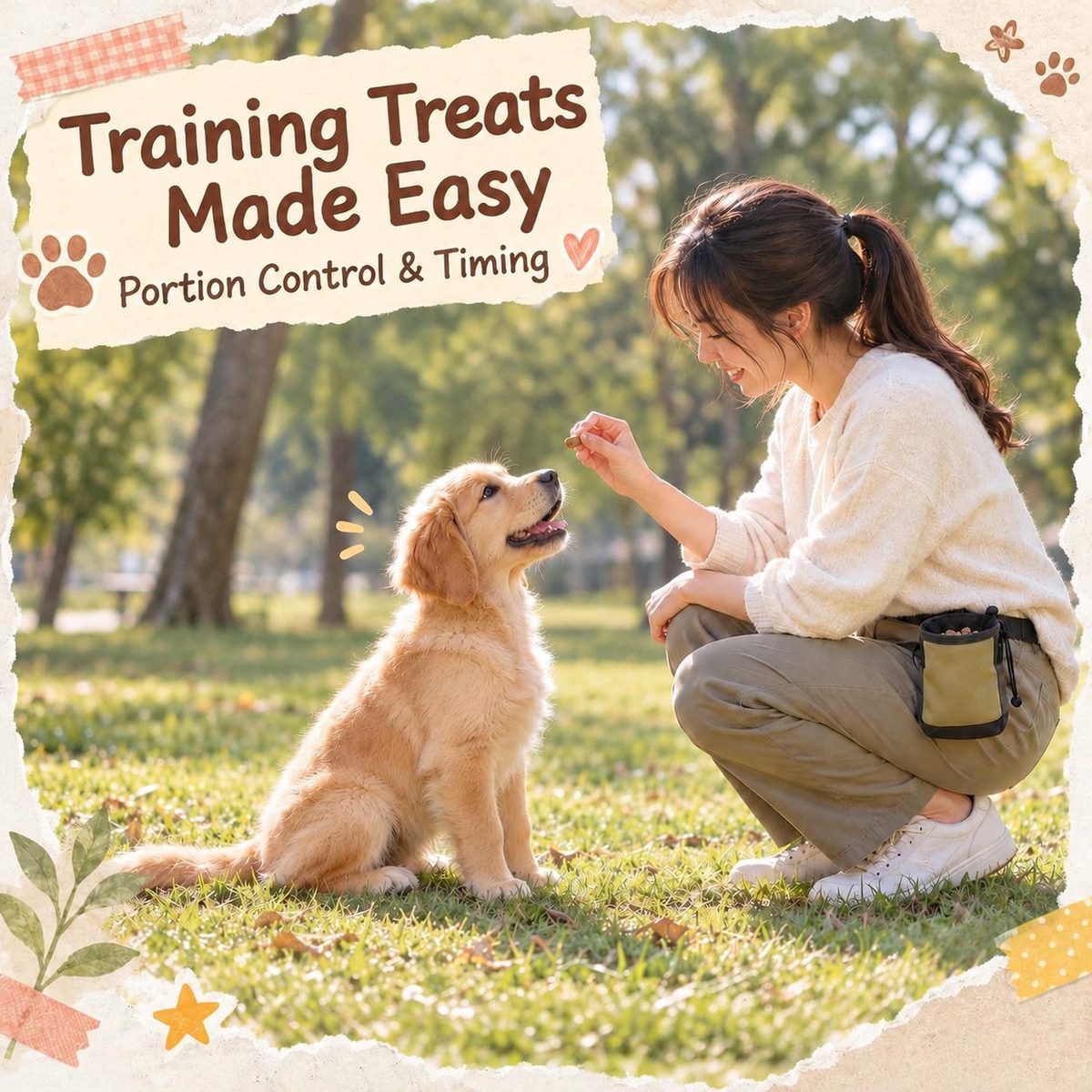
Quick answer: Choose training treats that are small, natural, high motivation, and easy to control, and keep total calories within 10% of daily intake. Don't feed a full meal 1-2 hours before training, and take part of their regular food as rewards—this is the most practical approach for Hong Kong homes.
When training cats and dogs, treats are the most important reward tool—but only if you choose the right ones. The core conclusion: a qualified training treat must simultaneously be small, natural, high motivation, and easy to control; and the key to successful training isn't just choosing the right treat, but also counting portions into the 10% daily calorie limit and staggering training times from feeding. This article covers selection, usage, and portion control all in one go.
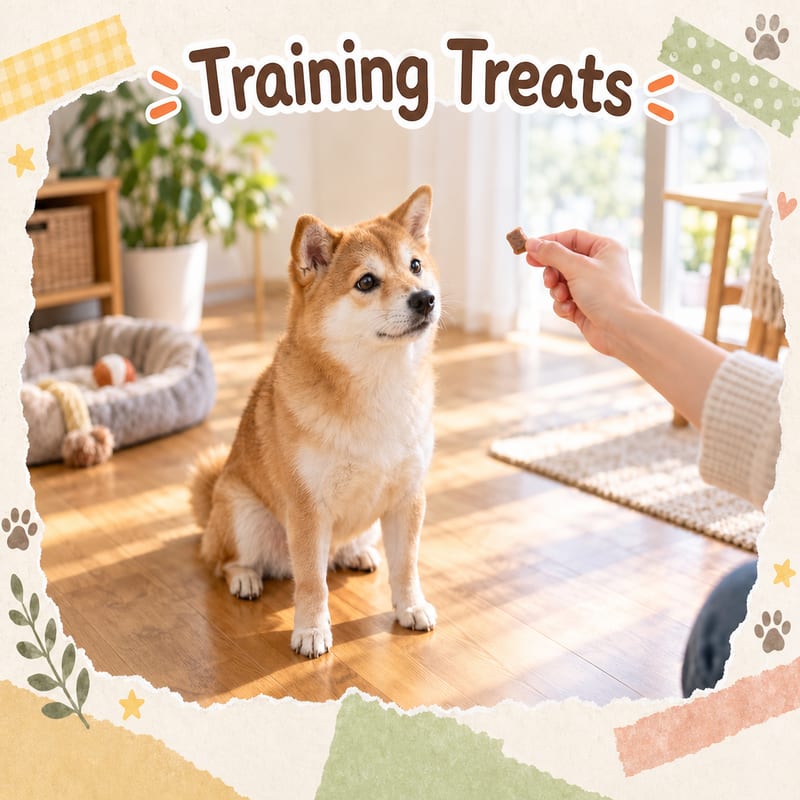
How to choose training treats? Four criteria
- Small—nail-sized, eaten in one or two seconds. If they eat too slowly, the link between reward and behaviour is broken.
- Natural—few additives, short ingredient list, healthy for daily consumption.
- High motivation—choose a protein source your cat or dog is crazy about; a treat they won't eat at home has zero reward value outside.
- Easy to control—you can count each piece and easily break them apart, so you can manage portions.
Tip: Training treats must be small—quick to eat, not filling, so you can reward multiple times; avoid treats that are too big or hard—taking half an hour to chew is a training rhythm killer.
Why do training treats work?
The logic of positive training is simple: correct behaviour → immediate reward → behaviour repeats. Training treats are that "reward" in the middle:
- Dog training—sit, come back, stop at the curb: reward immediately when they get it right, so the dog learns "which behaviour earns food".
- Cat training—cats also respond to positive rewards; use treats they actively like (strong scent, high-motivation protein), and you can build positive associations with the carrier or litter box.
Three levels of rewards are very useful in practice: low level uses regular meal kibble for practising known behaviours; mid level uses small freeze-dried pieces when teaching something new; top level uses high-value meat pieces reserved for high-distraction environments and the hardest behaviours. You don't need a whole bag of top-level treats—you can't control cost or calories that way.
Portion control: the easiest place to slip up on training days
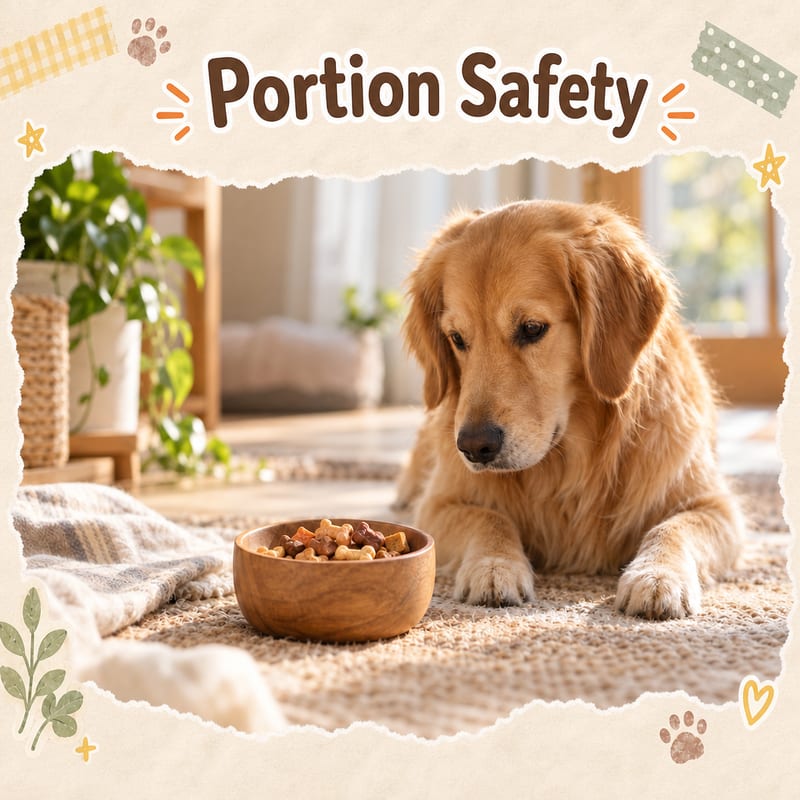
- 10% cap—total treat calories must not exceed 10% of daily total calories, even on training days.
- Take from regular meals as rewards—the smartest approach: set aside part of the day's regular food as training rewards, so no extra calories and enough motivation.
- Count pieces per session—after training, count how many pieces were eaten and record in a feeding log.
- Weigh monthly—if weight creeps up, it's usually not the regular meals but the training pouch.
- Stagger meal times—don't feed a full meal 1-2 hours before training; hunger increases motivation, but don't starve them to the point of weakness.
Differences between cat and dog training treats
| Dog | Cat | |
|---|---|---|
| Reward rhythm | Can repeat intensively | Sessions must be short, intervals quick |
| Suitable flavours | Chicken, beef, quail | Strong scent: turkey, fish |
| Environment requirements | Gradually from quiet room to outdoors | Mostly train at home first |
| High-level rewards | Use in high-distraction outdoor environments | Only for new behaviours |
Dogs are "let's go out and play" animals—rewards must keep up with environmental changes; cats are "mood-dependent" animals—no matter how nice the treat, if the environment is too scary it's useless. Address stress first, then let treats do their job.
Three practical training tips
- Fixed treat pouch position—hang it on the same side of your waist so you can reach in immediately; don't spend ten seconds searching the bag for each piece—late rewards are ineffective.
- Start practising "wait" with small pieces—place a treat in your palm and wait until your dog looks at you before allowing them to eat; eating and training at the same time is still training.
- Bring an extra level when going out—behaviours known at home may not be known in the park; in high-distraction environments temporarily upgrade to top-level meat pieces, then downgrade back at home.
Safety notes for choosing training treats
- Watch for allergies—certain proteins (beef, chicken) can cause itching, ear scratching, soft stool; try only one new treat at a time.
- Puppy age—from about 8 weeks old use small soft treats, choose puppy-appropriate sizes, avoid high-salt high-sugar products.
- Choking size—even small pieces, watch them swallow; for fast eaters, teach "wait" before eating—that's training too.
- Sugar—diabetic cats and dogs should avoid soft treats containing syrup; use diced cooked chicken breast instead.
When to see a vet: If after training there is continuous vomiting, bloody soft stool, or lethargy, stop the new treats and consult a registered veterinarian.
Tip: Don't leave training treats in a hot car or near cleaning products; they spoil easily in summer, so buy small packs and refrigerate after opening.
What you can do starting today
- Empty your training pouch, count how many pieces were eaten in one session, and compare against the 10% daily calorie cap.
- Try setting aside part of the day's regular food as rewards—zero extra calories.
- Do a "treat motivation test" for your pet: whichever treat they eat fastest and most eagerly, upgrade to high-level reward.
- Try only one new treat at a time, and observe for three days for itching or soft stool.
Small, natural, high motivation, plus portion control—that's the complete training treat formula. Want to compare training treat brands? PetChill's pet supplies guide breaks down each one for you. This article is for reference only; consult a registered veterinarian for any concerns.
Related product recommendations
When choosing food, the most important things are your pet's age, digestion, and taste preferences. Here are products related to this article, available at PetChill:
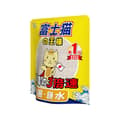
- Fuji One Freeze-Dried Treats Dehydrated Salmon Pieces Vacuum Pack 800g (Cat & Dog) (Fuji One) — Freeze-drying locks in nutrition
- Nutriplan Cat Meat Puree Nutrition Project Korean Meat Puree Meal Pack Salmon & Tuna 14g 100 packs (64796) (FK CIAO) - Limited Offer (Nutriplan Nutrition Project) — Available at PetChill
Want more: Fuji One Brand Guide
Product prices and latest offers are subject to the product page; this article is for reference only.
Further reading
Hong Kong small-home practical checklist: training treat management even in small units
Hong Kong living spaces are small, and space and fridge room are precious. Here are practical methods for 300-500 sq ft units:
1. Fridge compartment method
Keep the coldest shelf on the fridge door exclusively for the "training treat box": a small transparent airtight container, holding only three days' worth at a time. Store freeze-dried and cooked meat pieces in separate compartments to avoid cross-smells. Label the box "Training Use" to avoid confusion with human food.
2. Small-piece pre-cutting station
Immediately cut freeze-dried or meat strips into nail-sized pieces on the kitchen cutting board, cut a week's worth at once, and store in airtight bags. After pre-cutting, you don't need to cut in the living room during training, reducing crumbs on the floor.
3. Waist pouch instead of large bag
Hong Kong parks are crowded with people and dogs; use a small waist pouch clipped to your waistband, capacity about 50-80 small pieces, enough for a 15-minute training session. The pouch has a zipper, so it's safe on the MTR or in shopping malls.
4. Practical steps for taking from regular meals
- Measure the full day's dry food in the morning, e.g., 60g, first set aside 6g into the training pouch as low-level rewards.
- Feed the remaining 54g as usual in two meals; after training, subtract the number of pieces left in the pouch to ensure total calories don't exceed the limit.
- Use a kitchen scale to measure "piece weight", e.g., 10 pieces = 1g, for on-the-spot counting.
5. Summer spoilage prevention
Hong Kong is hot and humid; after opening, keep freeze-dried in the fridge and soft treats in a dehumidifying box. Take only the day's portion when going out, and immediately return leftovers to the airtight box—don't leave them in the bag overnight.
6. When to see a vet
If after training you see two consecutive meals refused, vomiting, or bloody soft stool, immediately stop all new treats and take the packaging and a stool sample to the nearest 24-hour veterinary clinic. Hong Kong night consultations are more expensive; you can call the clinic first to ask if they accept emergencies before deciding where to go.
📌 Key summary
- ✅ Small, nail-sized, eaten in one or two seconds to link behaviour
- ✅ Daily treat calories capped at 10%, using regular food as rewards is safest
- ✅ Dogs: intensive rewards; cats: short sessions, quick intervals
- ❌ Don't buy large bags at once—they spoil easily in summer
- ❌ Don't use low-level treats in high-distraction environments—rewards become ineffective
 Fuji One full guide →


 Fuji Cat full guide →
 K9 Natural full guide →



