Quick answers
- Adverse food reactions in cats fall into 2 main categories: 'food allergy' triggered by the immune system, and 'food intolerance' which does not involve the immune system — the management is different.
- Potatoes and tapioca are not among the most common cat allergens: the ones most often named are beef, chicken, fish and dairy, accounting for the majority of clinical cases.
- Refined tapioca starch (tapioca/cassava) typically has less than 1% protein residue, so allergy risk is much lower than meat.
- What tapioca most often causes is actually gastrointestinal upset: when the starch proportion is too high, cats develop soft stool and gas, with bowel movements increasing from 1 to 2 times a day to 3 to 4 times.
- The way to diagnose is not a blood test, but an 8-week elimination diet test, followed by a 7 to 14-day challenge test to confirm.
- If there is vomiting blood, black stool, more than 5% weight loss within 4 weeks, facial swelling or difficulty breathing, see a veterinarian immediately.
"My cat food contains potato or tapioca — will it make my cat allergic?" The short answer is: mostly no direct allergy, but it is worth watching. Potatoes and tapioca are the most commonly used carbohydrate sources in grain-free formulas in recent years; their allergy risk is far lower than animal proteins like beef, chicken and fish. What often really upsets cats is not 'these two ingredients are allergenic', but a formula with too high a starch proportion, or other issues in the ingredient list (for example, the same bag mixes 3 to 4 protein sources).
This article breaks it down layer by layer: first distinguish 'allergy' from 'just can't stomach it', then compare the allergy risk of each ingredient, then explain how to read the ingredient list for low-allergen formulas, how to carry out an 8-week elimination diet test, and which situations cannot wait. The whole article is from an ingredient and troubleshooting angle — it will not tell you to self-medicate or stop medication; any decision about drugs and prescription food should follow veterinary instructions.
First distinguish 'food allergy' from 'food intolerance': completely different approaches
When a cat itches, vomits or has soft stool after eating a certain food, the owner's first reaction is usually 'this food is allergenic'. But clinically these two things are separate:
Food allergy is an immune system reaction. The cat's immune system mistakenly identifies a certain protein as a threat, usually requiring repeated exposure before symptoms appear, so many cats eat the same food for years without issue and then suddenly start itching. Signs are concentrated in both skin and gut: itching around the head, neck, face and ears leading to hair loss, miliary dermatitis, eosinophilic granuloma complex; gastrointestinal signs include vomiting, diarrhoea, soft stool, increased bowel movement frequency, and some cats slowly lose weight.
Food intolerance does not involve the immune system; it is a digestive capacity issue. The most typical cases are a sudden food change, a batch with oxidised fat, or a formula whose starch/fibre ratio does not suit the gut state at the time. Symptoms are usually temporary soft stool, gas and diarrhoea, and are directly related to 'how much was eaten' — eating less resolves it.
The management is different: allergy requires 'complete avoidance of that ingredient', and an elimination diet test is needed to pinpoint it; intolerance usually improves by adjusting portion size, switching to a more digestible formula, and adding a 7 to 10-day transition — long-term food change is not always necessary. Get the direction wrong and you end up 'changing 5 foods with no effect' — because the real problem may be fleas, environmental mites or skin fungus, not what is in the bowl.
The allergy reality of potatoes and tapioca: lower risk than you think

First the conclusion: both ingredients have 'some, but rare' allergy records, and in actual cases their problem is usually gastrointestinal burden rather than immune reaction.
Potato depends on the form. In whole potato or mashed potato, protein is about 1% to 2%, of which the most frequently mentioned are patatin-type proteins; 'potato protein concentrate' is an ingredient where protein is deliberately extracted, with a much higher protein content and the highest allergy risk among all potato forms. So when you see 'potato protein' and 'potato starch' on an ingredient list, do not treat them as the same thing.
Tapioca (cassava/tapioca) is a root starch. Refined tapioca starch typically has less than 1% protein residue, two to three orders of magnitude lower than meat, so cases listed as allergens are extremely rare. Note that raw cassava itself contains cyanogenic glycosides (linamarin) and needs processing such as soaking and heating to be safe — commercial pet food starch ingredients have already been processed, so no need to worry; but if you make fresh food with raw cassava yourself, you must thoroughly process and cook it first.
The real risk lies in proportion and formula. Cats are obligate carnivores; their saliva has no amylase, and carbohydrate metabolism relies mainly on pancreatic and small intestinal amylase, so their ability to handle high starch proportions is limited. When a food uses potato or tapioca to make up 20% to 40% of the formula, starch reaching the large intestine is fermented by bacteria, producing gas and short-chain fatty acids, resulting in gas, soft stool, and larger, smellier stools. This reaction is unrelated to allergy, but the symptoms owners see are almost identical.
Another common trap: cross-contamination. A food labelled 'single protein' may have its production line also handling other meats; trace residues can be enough to trigger a reaction in a cat with a confirmed allergy. So after diagnosis, when choosing food, besides reading the ingredient list, also check whether the manufacturer publishes allergen control practices.
| Ingredient | Nature | Protein residue | Allergy risk | Common gastrointestinal reaction |
|---|---|---|---|---|
| Potato (whole/mashed) | Starch + some protein | About 1% to 2% | Low to medium | Gas, soft stool when proportion is high |
| Potato protein concentrate | Protein concentrate ingredient | Clearly higher than mashed potato | Medium (highest among potato types) | Same source as allergic reaction |
| Tapioca starch (tapioca/cassava) | Refined root starch | Generally below 1% | Low | Soft stool, bloating when proportion is high |
| Pea protein/pea fibre | Legume protein | Medium to high | Medium | Gas, increased stool volume |
| Corn/wheat/soy | Grains and legumes | Medium | Medium (still lower than meat) | Individual gastrointestinal reactions |
| Carrageenan, artificial colours and flavours | Additives | Not applicable | Individual records | Individual soft stool |
The real common allergens: animal proteins top the list
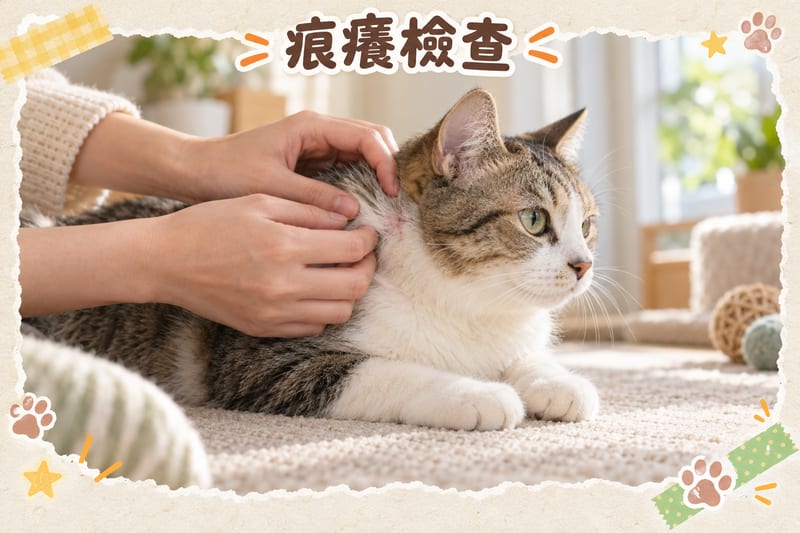
If a cat truly has a food allergy, the most frequently named culprits are animal proteins, not grains. The general observations from international veterinary literature and local cases (not representing individual cat risk) are roughly as follows:
| Rank | Allergen | Category | Commonness |
|---|---|---|---|
| 1 | Beef | Animal protein | Most frequently named |
| 2 | Chicken | Animal protein | Most frequently named |
| 3 | Fish and seafood | Animal protein | Common |
| 4 | Dairy | Animal protein | Common |
| 5 | Lamb | Animal protein | Moderate |
| 6 | Egg | Animal protein | Moderate |
| 7 | Wheat, soy | Grains/legumes | Less common |
| 8 | Potato protein | Plant | Rare |
| 9 | Tapioca starch | Plant | Very rare |
| 10 | Artificial colours, flavours, preservatives | Additives | Individual cases |
Looking at this ranking, you can understand why 'switching to grain-free food' often does not help: if a cat is allergic to chicken, switching to a 'grain-free chicken formula' only removes the starch — the allergen is still in the bowl.
Regarding symptoms, remember one key point: food allergy, environmental allergy and flea allergic dermatitis look highly similar. The same itching around the head and neck, hair loss, rash, and gastrointestinal symptoms can occur together. When you cannot tell them apart, the most practical approach is to record 'time of symptom onset × food content × environmental changes' and look for patterns.
| Observation item | Recording method | What signal to look for |
|---|---|---|
| Itch level | Score 0 to 3 at the same time each day | Maintained at 2 or above for 3 consecutive days |
| Skin condition | Take 2 photos from the same angle each week | Whether rash or hair loss area is expanding |
| Bowel movements | Record frequency, shape (soft/formed/watery) | Increase from 1 to 2 times to 3 to 4 times |
| Appetite and weight | Weigh once every 2 weeks | More than 5% loss in 4 weeks requires medical attention |
| Environmental variables | Dates of food change, litter change, cleaning product change | Whether symptoms relate to dates |
How to choose a low-allergen formula? 5 checkpoints on the ingredient list
To choose a food in a low-allergen direction, you do not need to memorise brand names — just remember 5 checkpoints:
- Number of protein sources: the fewer animal protein types listed, the better; generally no more than 2 is recommended. Formulas listing 3 to 4 meats put several potential allergens together at once, making it hard to trace if problems occur.
- Ingredient order: ingredients are listed by weight, and the first 5 make up the bulk of the formula. If meats are followed immediately by 2 to 3 starches, expect higher stool volume.
- Hydrolysed protein vs novel single protein: hydrolysed protein breaks protein into small molecules, making it harder for the immune system to recognise, suitable for cats with a confirmed allergy; novel single protein (a protein source the cat has never eaten) suits undiagnosed cases where you want to troubleshoot step by step. Both should be used under veterinary assessment.
- Complete and balanced statement: the packaging should have an AAFCO or FEDIAF complete and balanced statement, meaning the formula meets nutritional standards. Products labelled only as 'complementary food' cannot be used as a long-term staple.
- Additives: artificial colours, artificial flavours and some preservatives are avoidable variables, especially when you are preparing for an elimination diet test — any extra variable will make the results unclear.
If you want to try a direction right away, you can refer to these local in-stock examples (prices and stock are subject to the online store's current listed price):
- Nature's Protection Cat Sensitive Digestion 400g (FD3510.4K) — HK$48.6
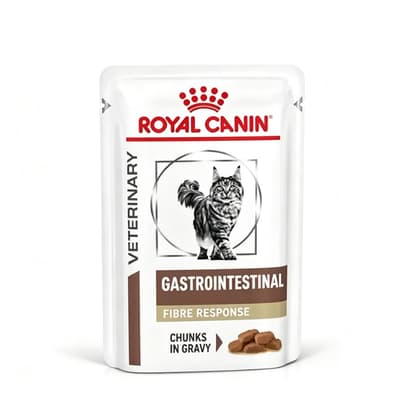
- Royal Canin Veterinary Diet Fibre Response (gravy) 85g x 12 (R439300) — HK$19.5
Prescription food is a veterinary prescription product and should only be used after veterinary assessment; do not buy it yourself as a general low-allergen food. Prices and stock are subject to the online store's current listed price.
8-week elimination diet test: home execution timetable
The elimination diet test is the gold standard for food allergy; serum food antibody tests (IgE/IgG panels) have low accuracy in cats and cannot be used alone to diagnose. The key points are 'single variable, complete isolation'.
| Phase | Time | Method | Observation focus |
|---|---|---|---|
| Preparation | 3 to 5 days before day 0 | Record baseline: itch score, bowel movement frequency, weight, skin photos | Establish comparable numbers |
| Early elimination | Days 1 to 14 | 100% only the designated formula; no treats, human food, other cat food, protein-containing supplements | Whether symptoms start to change |
| Late elimination | Days 15 to 56 | Continue single diet, record weight and bowel movements weekly | Cases that are food-related usually improve in weeks 4 to 8 |
| Challenge test | Days 57 to 70 | Add back one old food at a time, for 7 to 14 days | If symptoms return, that ingredient is identified |
| Follow-up | After day 70 | Discuss long-term formula and rotation plan with veterinarian | Avoid re-exposure to confirmed allergens |
The 3 most common failure points during execution:
- Multi-cat household: feed separately, separate bowls, separate locations; remove leftovers after 15 minutes, otherwise they quickly start stealing each other's food.
- Hidden protein sources: dental treats, hairball gel, probiotic powders, flavouring components in some medications — all must be checked against ingredient lists one by one.
- Gaps in recording: itching is subjective; without daily records there is no comparison, and even completing 8 weeks may yield no conclusion.
If symptoms improve significantly during the process, do not stop immediately — complete the challenge test to know which ingredient is the true allergen. Conversely, if there is no improvement at all after 8 weeks, reassess the direction with your veterinarian, considering environmental allergy, parasites or skin infection.
These 5 situations cannot wait: see a veterinarian immediately
- Vomiting blood, haematemesis or black stool (indicating upper gastrointestinal bleeding)
- More than 5% weight loss within 4 weeks, or complete refusal to eat for more than 24 to 48 hours
- Sudden swelling of the face, eyelids or around the mouth, or difficulty breathing, open-mouth breathing
- Extensive skin ulceration, pus, or scratching to the point of bleeding
- Persistent vomiting and diarrhoea in kittens, senior cats or cats with chronic illness
For any of the above, do not rely on changing food or trying medication yourself. Medications (including steroids and antihistamines) are for prescription use; dosage and course must follow veterinary instructions — do not adjust or stop on your own.
Frequently asked questions
Q: Can potatoes or tapioca in cat food cause allergies or stomach upset in cats?
A: Mostly no direct allergy, but two risks need separate consideration. Potato protein (especially concentrate) is a rare but documented allergen; tapioca, or cassava root starch, typically has less than 1% protein residue after refining, so allergy risk is even lower. What is actually common is soft stool and gas caused by a high proportion of starch. To be sure, an 8-week elimination diet test is the most practical approach.
Q: What should I do if my cat is allergic to chicken?
A: Stop the chicken-containing food immediately and switch to a novel single protein or hydrolysed protein formula your cat has never eaten, for 8 weeks. Chicken is one of the most common allergens in cats, alongside beef and fish. Transition over 7 to 10 days by gradually mixing; during this time, check the ingredients of all treats, canned food and supplements — do not just change the main food. If vomiting or bloody stool occurs, stop and see a veterinarian.
Q: How do I choose a low-allergen formula?
A: Remember 3 points: no more than 2 protein sources, a complete and balanced statement, and no artificial colours or flavours in the first 5 ingredients. Hydrolysed protein formulas suit cats with a confirmed food allergy, but only after veterinary assessment — do not buy them as medicine yourself. Also note that grain-free does not mean low-allergen — potatoes, tapioca and peas can also trigger reactions; changing the source does not change the risk.
Q: What are the symptoms of a grain allergy in cat food?
A: The most common are skin and gastrointestinal symptoms: itching around the head and neck, hair loss, vomiting and soft stool. Research shows grain allergies are less common in cats than meat allergies, with wheat and soy being the two most frequently mentioned. If symptoms appear, do not stop or add medication on your own — first confirm with a veterinarian whether it is a food problem or another skin disease, because flea, environmental mite and fungal infections can look almost identical.
Q: How long does it take to see results after switching to a low-allergen food?
A: Generally 4 to 8 weeks. The first 2 weeks often show no obvious change; from week 4, itching and bowel movements gradually improve, so you need to complete the full 8 weeks before judging. During this time, do not sneak treats or human food — one slip means starting the count again. If there is no improvement at all after 8 weeks, return to the veterinarian to reassess — it may not be a food problem.

Further reading
- The truth about grain-free cat food | Essential reading for Hong Kong cat owners: grain-free is not low-allergen, how to read the ingredient list
- Hydrolysed protein cat food brand guide | How to tell prescription food from novel single protein
- How to tell if your cat is allergic to cat litter ingredients? Symptoms and switching methods
- Complete guide to cat food transition | 7 to 10-day gradual transition method and soft stool management
For emergencies, contact a veterinarian immediately; this article is for reference only and cannot replace veterinary diagnosis.
Information checked as of 2026-10-12Source: PetChill editorial team
 Royal Canin full guide →

 Almo Nature full guide →