
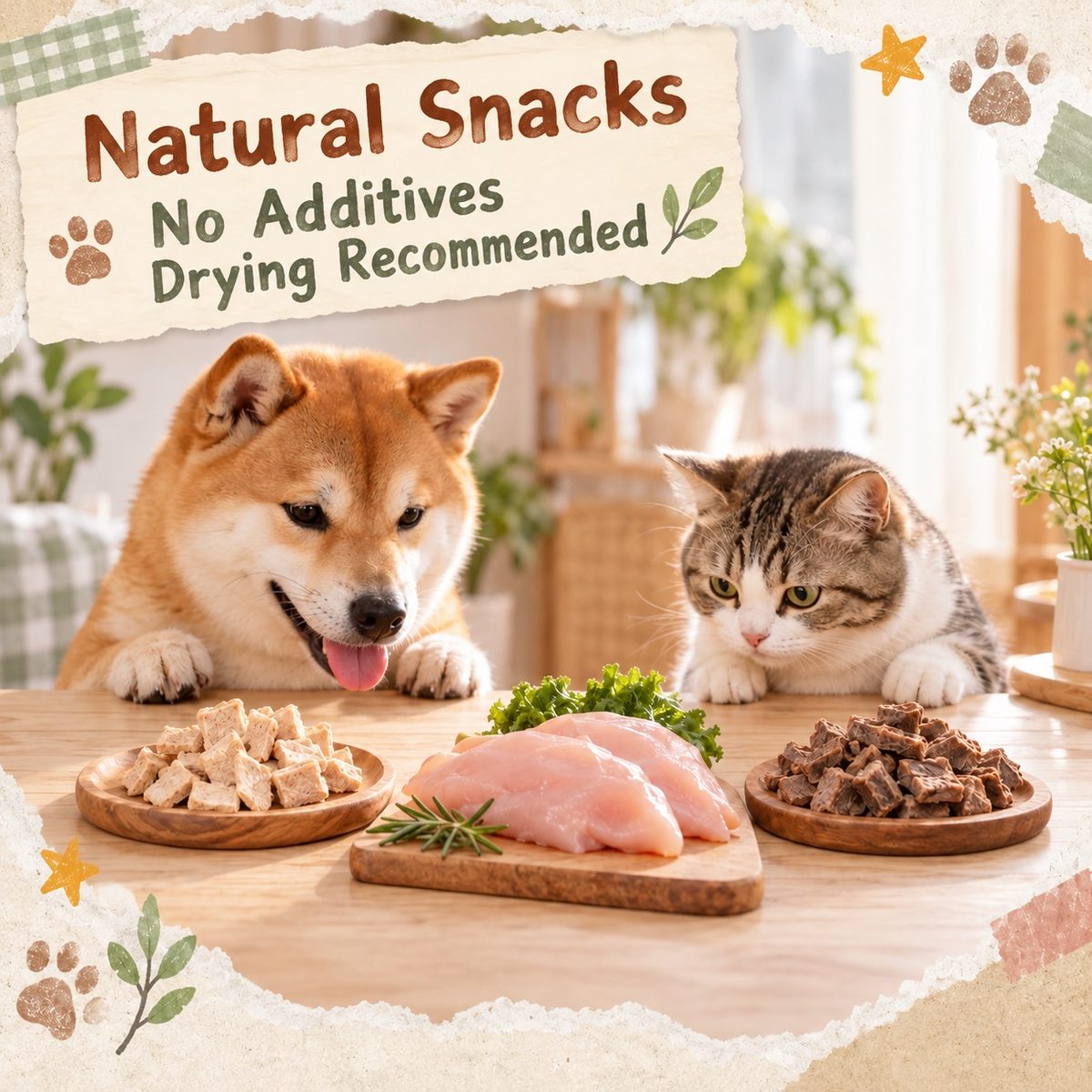
Quick answer: The value of natural treats lies in simple ingredients and no artificial colours or preservatives, but "natural" does not mean feed freely. Just remember two principles: keep portions within 10% of main meal calories, and avoid toxic ingredients like onion, garlic and grapes. Then you can use them safely for training and rewards.
Treats are great helpers for training and rewards, but choosing natural ones is healthier. Core conclusion: the value of natural treats lies in simple ingredients and no artificial colours or preservatives; but "natural" does not equal "feed freely" — keep portions within 10% of main meal calories and avoid toxic ingredients is the complete formula for healthy rewarding.
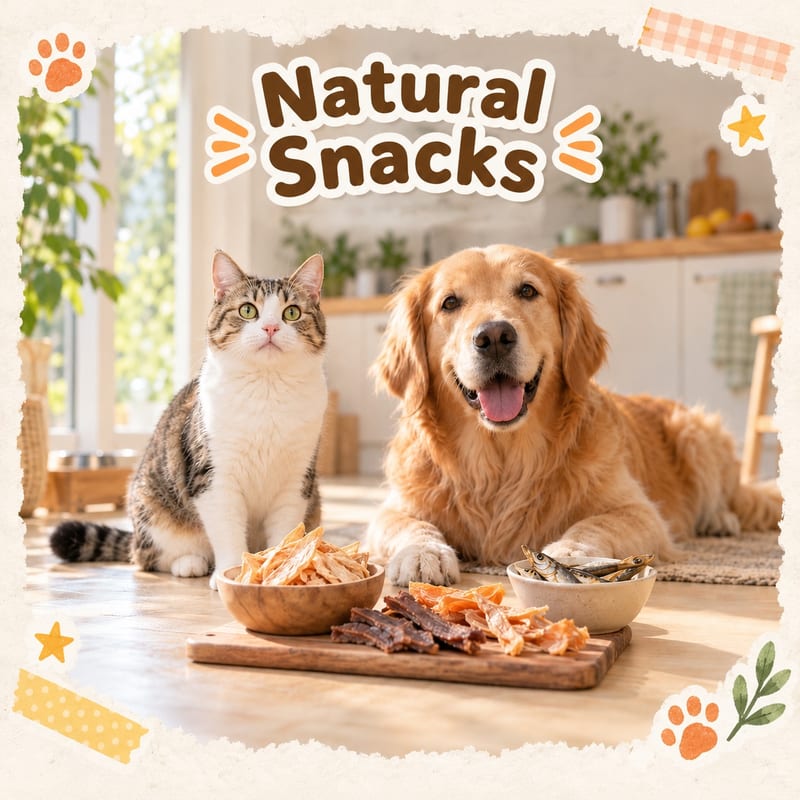
Benefits of natural treats
Natural treats = fewer chemical additives, clean ingredients:
- Fewer additives — no artificial colours, flavours or preservatives
- Clean ingredients — single ingredient (like freeze-dried meat), you see real food
- Healthy protein — meat-based, not padded with grains and starches
- Easy to control — small training-sized pieces, a few calories each, you know exactly how much you're feeding
Just like human snacks, the shorter the ingredient list, the more reassuring. Many cheap treats on the market use colours to make "colourful bones", with wheat as the first ingredient — these are the ones to avoid.
Common terms on ingredient lists explained:
- "Meat meal" — concentrated protein is a normal ingredient, but it must be named: chicken meal is OK, unidentified "animal meal" is not.
- "Molasses" — sugar added for flavour, long-term feeding harms teeth and causes obesity.
- Artificial preservatives — natural treats should not contain a long list of chemical preservatives.
- "Plant protein hydrolysate" — essentially a flavour enhancer, not some plant essence.
Tip: Natural treats have fewer chemical additives and clean ingredients — choosing single ingredients (freeze-dried meat, etc.) is cleanest.
How to choose natural treats? Four steps to read ingredients
- Read ingredients — simple and natural: freeze-dried chicken, single-source meat slices, the shorter the list the better.
- No artificial additives — the list of colours/preservatives should be almost empty.
- Grain-free/low sugar — watch for sucrose and molasses hiding in the ingredient list.
- Check sourcing — reputable brand, clear origin and expiry date; be cautious with parallel imports or loose unpackaged products.
Then match the meat source to your cat or dog's taste: dogs generally like chicken, quail and beef; sensitive dogs can choose single novel proteins like venison or duck. Choosing the right flavour makes training rewards effective.
Choose treat types by purpose
| Treat type | Best for | Notes |
|---|---|---|
| Freeze-dried meat pieces | Training, mixing with food | Count calories per piece |
| Air-dried meat jerky slices | Daily rewards | Cut into small pieces before giving |
| Bully sticks | Chewing, passing time | Supervise chewing, remove small pieces |
| Fresh fruit and veg (moderate) | Low-calorie extra | Avoid grapes, onion and garlic |
Not all natural is safe: toxic ingredient warnings
Among natural ingredients, the following are toxic or high-risk to cats and dogs, and should be avoided even in homemade treats:
| Ingredient | Risk |
|---|---|
| Onion, garlic | Destroy red blood cells, haemolytic anaemia |
| Grapes, raisins | May cause acute kidney failure |
| Chocolate | Theobromine poisoning, harms the heart |
| Xylitol (sugar-free products) | Rapid blood sugar drop, liver failure |
| Cooked poultry bones | Splinter and perforate intestines |
Red light: If any of these are ingested and vomiting or lethargy occurs, call the vet immediately; do not wait for symptoms to resolve on their own.
Homemade natural treats: three simple rules
You can make them yourself, but follow the rules:
- No seasoning — no salt, sugar, garlic powder or onion powder; pets don't need "flavour".
- Cook meat, remove bones — raw meat has bacteria, cooked poultry bones splinter and perforate intestines.
- Store in fridge, eat within three days — homemade treats without preservatives spoil easily; freeze leftovers.
What to watch out for with natural treats?
- Portion — treats should not exceed 10% of main meal calories; too many treats can lead to nutritional deficiencies from main meals.
- Count calories — on training days with lots of treats, reduce main meals proportionally; don't think "eating more is fine".
- Allergens — individual ingredients (like beef or chicken protein) can cause itching, ear scratching or soft stool; try one new treat at a time.
- Choking risk — small dogs and fast eaters should not be given large hard pieces; supervise eating.
- Don't give before meals — treats affect appetite for main meals; separate training times from feeding times.
- Monitor weight — weigh monthly; extra treats can quietly increase weight.
When to see a vet: If vomiting, diarrhoea, facial swelling or severe itching occurs after eating a new treat, stop immediately and consult a registered veterinarian.
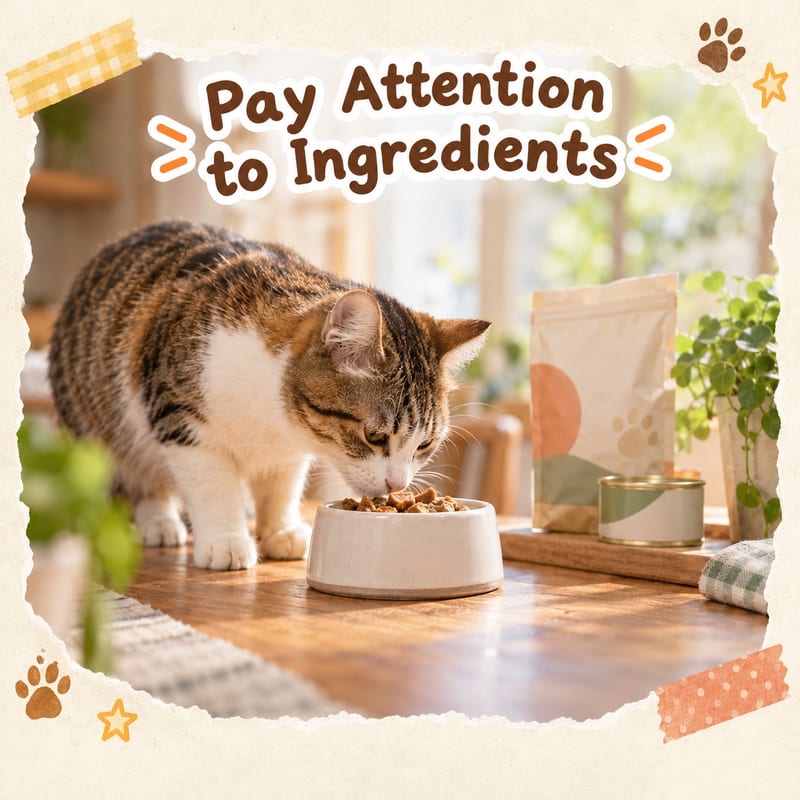
What you can do starting today
- Check your treat cupboard: read the ingredient list of each packet and eliminate those with lots of colours and sugar.
- Switch training treats to small natural freeze-dried pieces, a few calories each, easy to control.
- Set a house rule: treats only at designated times, no casual feeding under the table.
- Stick the toxic ingredient list on the fridge for everyone in the household to see.
Natural treats + portion control = healthy rewards. Want a reliable list of natural treats? PetChill's pet supplies guide has ingredient comparisons. This article is for reference only; consult a registered veterinarian for any concerns.
Related product recommendations
When choosing food, the most important thing is your pet's age, digestion and taste preferences. Here are products related to this article, available at PetChill:
- Fuji One Freeze-Dried Treats Dehydrated Salmon Cubes Vacuum Pack 800g (Cat & Dog) (Fuji One) — freeze-drying locks in nutrition
- Nutriplan Cat Meat Puree Nutrition Project Korean Meat Puree Pouch Salmon & Tuna 14g 100 packs (64796) (FK CIAO) - Limited Offer (Nutriplan Nutrition Project) — available at PetChill
See more: Fuji One Brand Guide
Product prices and latest offers are subject to the product page; this article is for reference only.
Further reading
Hong Kong small-flat practical tips: small units, working owners, and rainy season all manageable
Hong Kong homes are small and working hours are long; many owners think making or storing natural treats is troublesome. Actually, with the right tools and time management, it's easy.
No oven in a small flat? A microwave and kitchen paper will do. Cut chicken breast into 2–3 mm thin slices, sandwich between two sheets of kitchen paper to absorb moisture, microwave on low for 2–3 minutes, turning once halfway; out comes crispy chicken jerky. Remember to cool before putting in a zip bag to avoid condensation.
Grab a bag in 30 seconds before work The night before, portion freeze-dried pieces into mini zip bags according to "one training session's amount" and place next to the key tray at the door. Grab and go in the morning, no rushing to find treats.
Rainy season moisture protection Hong Kong humidity often exceeds 80%, and homemade treats mould easily. Buy a $20 glass airtight jar, put two packets of silica gel desiccant inside, and close immediately after each use. If the desiccant turns pink, it's saturated; bake in the oven at 120°C for 10 minutes to reuse.
What if elders feed randomly? Print the "toxic ingredient list" on A4 and stick it on the fridge door, circle "onion, garlic, grapes, chocolate" in red pen, and add "the vet says it's poisonous". The visual impact is strong enough that elders will stop naturally.
Weekend hiking food Hiking dogs burn a lot of energy, but large bags of air-dried jerky absorb moisture easily. Pre-portion a day's supply into zip bags, put in the side pocket of the backpack, open only one bag at a time and keep the rest sealed. If it rains, add a piece of kitchen paper inside the bag to absorb moisture, and transfer to an airtight jar immediately when home.
Late-night emergency hotline Save the 24-hour emergency vet number (e.g. CityU Veterinary Medical Centre 3650 3000) as a phone contact "Vet Emergency", so if your pet ingests toxic ingredients, you can reach someone even at midnight.
Remember, natural treats don't require a big kitchen or lots of time; just use the Hong Kong pace and you can be healthy and convenient.
📌 Key summary
- ✅ The shorter the ingredient list, the better; freeze-dried single-source meat is cleanest
- ✅ Treat calorie limit = 10% of main meal; reduce main meals on training days
- ❌ Natural does not mean safe; onion, garlic, grapes and chocolate are all forbidden
- ❌ "Colourful bones" with lots of colours, molasses and preservatives should be eliminated
- ✅ Homemade treats: no seasoning, eat within three days, store in fridge
- ✅ If vomiting, diarrhoea or facial swelling occurs after eating, stop immediately and see a vet
 Fuji One full guide →


 K9 Natural full guide →
 Feline Natural full guide →



