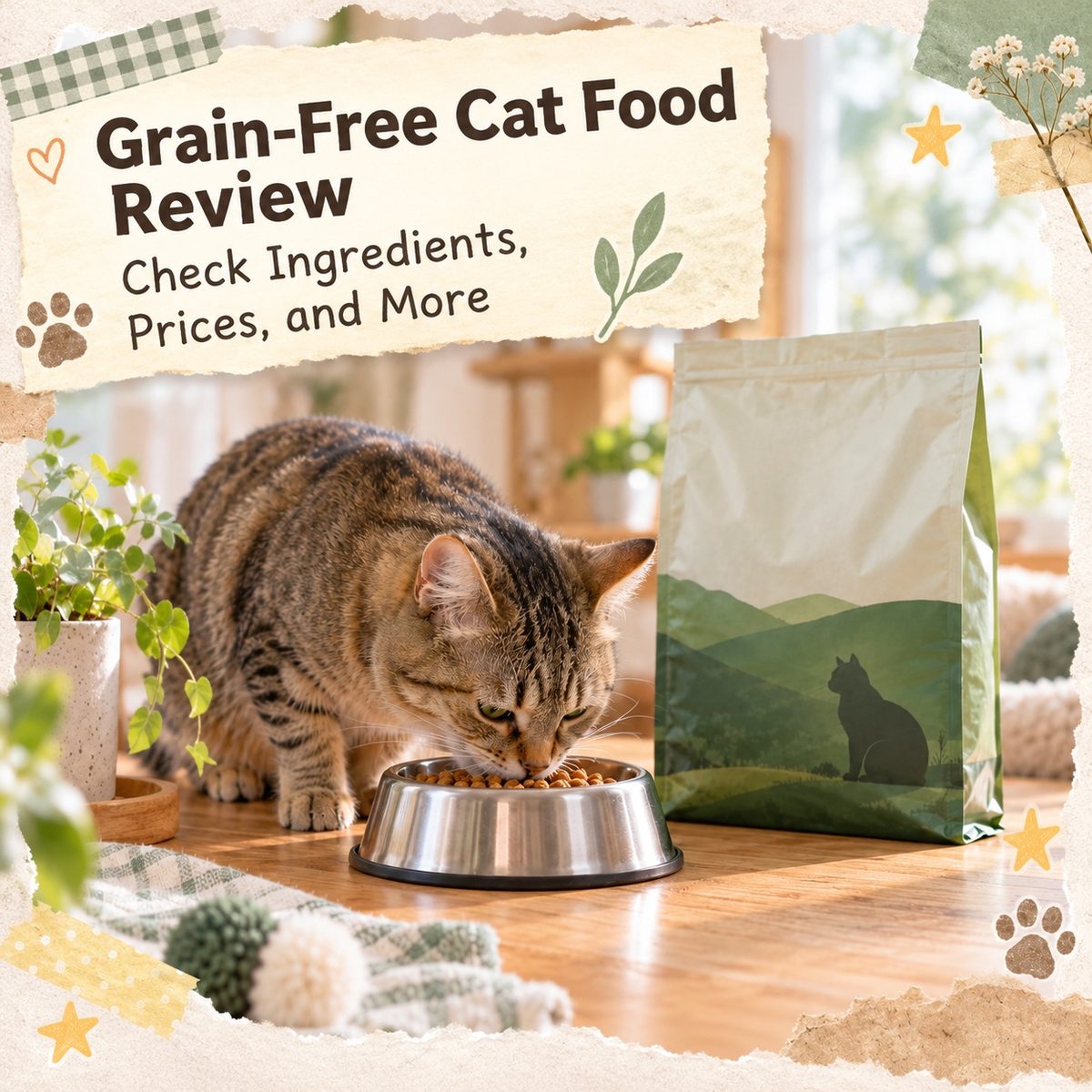
Quick answer: CANAGAN is a UK grain-free, high-meat cat food with 37% protein, priced 20–30% lower than Orijen, suitable for owners who want grain-free but have a limited budget.
In a nutshell: CANAGAN is a UK-imported grain-free, high-meat cat food with 37% crude protein and no artificial additives, priced about 20–30% more affordably than Orijen—a compromise for those who want grain-free, high-meat but have a limited budget. Below we break down its ingredients, nutrition, Hong Kong prices, pros and cons, and which cats it suits, to help you decide if it's worth it.
What kind of brand is CANAGAN?
CANAGAN is a premium UK pet food brand with a simple, direct philosophy: mimic the natural diet of cats and dogs. Cats' ancestors ate prey in the wild—high meat, low carbs, no grains—so CANAGAN excludes grains from the start, focusing on grain-free, high-meat formulas.
In terms of product philosophy, the brand has three bottom lines: made in the UK, grain-free, and no artificial colours or preservatives, with meat sources mainly fresh ingredients. This approach is in the same school of thought as North America's Orijen and ACANA, just the UK version. For Hong Kong owners, CANAGAN's market positioning can be summed up as "affordable grain-free, high-meat food": quality backed by the original UK factory, yet the price doesn't break the bank, making grain-free food a daily choice for more families rather than a minority.
Ingredient breakdown: What's inside a bag of CANAGAN?
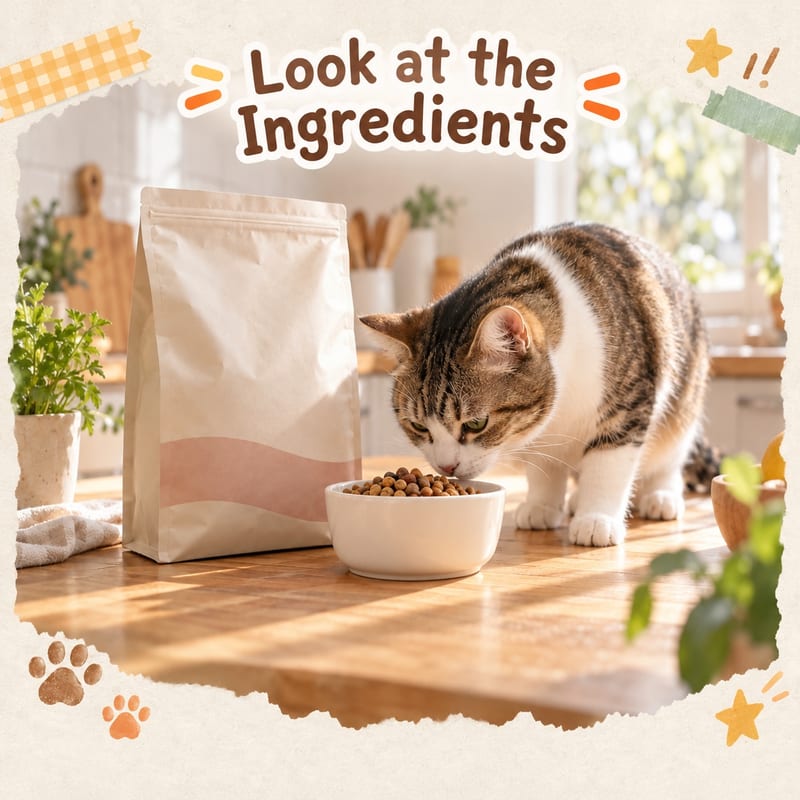
When buying food, don't just look at the front-of-pack marketing. Flip the ingredient list—for the classic Chicken with Salmon flavour, the top five ingredients are:
- Fresh chicken (26%)—the first ingredient is named fresh meat, not vague "meat meal"
- Dried chicken (25%)—a concentrated protein source that keeps the overall protein ratio high
- Fresh salmon (8%)—provides Omega-3 fatty acids
- Dried salmon (5%)
- Chicken fat—a source of calories and essential fatty acids
That is, the top four are all named animal proteins, together exceeding 60%, a solid "meat-first" configuration among grain-free foods.
Nutritional analysis (official data):
| Component | Content |
|---|---|
| Crude protein | 37% |
| Crude fat | 17% |
| Crude fibre | 2.5% |
| Moisture | 9% |
| Ash | 8.5% |
How to read this table: 37% crude protein is more than enough for adult cats, with 17% fat providing energy and essential fatty acids—typical high-meat formula specs. Note: some flavours use potatoes instead of grains as a carb source, so "grain-free" doesn't mean "low-carb"—a general reading lesson for all grain-free foods.
Pros and cons of CANAGAN cat food
A fair review lists both good and bad.
Pros:
- Grain-free formula—less burden on cats with grain sensitivities, reducing potential irritation
- 37% high protein—nutritionally adequate, close to cats' carnivorous nature
- About 20–30% cheaper than Orijen—same tier formula, noticeable monthly savings
- Moderate kibble size—suitable from kittens to adults
- Good palatability—most cats accept it well, easing the transition
Cons:
- Contains dried meat—not all fresh meat; those who mind should note
- Some flavours contain potatoes—moderate carbohydrate level, not extremely low-carb
- Fewer supply points in Hong Kong—restocking less convenient than big brands; manage the risk of running out
- Less brand awareness than Orijen, Royal Canin—friends may not know it; you'll need to read the ingredient list yourself
Are Hong Kong prices and daily feeding costs expensive?
Price is a top concern for many owners. For two common sizes:
| Size | Price range | Daily cost* |
|---|---|---|
| 1.5kg | $280–350 | $10–12 |
| 4kg | $620–720 | $8–10 |
*Based on a 4kg adult cat eating 55g per day
On the surface, the 4kg pack costs double; but per daily cost it's about 20% cheaper. So if your cat has tried and accepted this food, the large bag is clearly better value long-term. Conversely, don't buy a big bag before trying—start with a 1.5kg small pack to test palatability and digestive response; that's the safest spending order. Also, since local supply points are less dense than large chains, stock up two weeks' extra to avoid gaps.
CANAGAN vs Orijen: how to choose?
The two brands are often compared because both are grain-free, high-meat. Direct comparison:
| Item | CANAGAN | Orijen |
|---|---|---|
| Protein | 37% | 40% |
| Monthly cost | $300–450 | $400–600 |
| Origin | UK | Canada |
| Meat source | Fresh + dried | All fresh |
| Value for money | High | Medium |
Simple view: Orijen wins on meat source specs and higher protein—the ultimate route; CANAGAN wins on "same grain-free, high-meat, but a hundred-odd dollars cheaper per month". If budget allows and you want the best for your cat, choose Orijen; if you want quality without the food bill dominating your monthly expenses, CANAGAN is the more rational choice. Both are qualified premium grain-free foods; there's no "wrong choice", only budget trade-offs.
Which cats suit CANAGAN? Which should consult a vet first?
Recommended situations:
- Owners who want grain-free but have a limited budget
- Cats with grain sensitivities that get loose stools on grain-containing food
- Kittens to adults (kibble size universal)
Not recommended or caution:
- Sick cats needing prescription diets—kidney disease, urinary tract disease, pancreatic problems, etc., must follow veterinary advice for prescription food; high-protein formulas may not suit sick cats—don't switch on your own
- Extremely picky cats—buy a small pack first, observe for a week or two before deciding on long-term investment
When to see a vet?
Switching food is a stress test for a cat's digestion. In the following cases, stop the new food immediately and consult a registered veterinarian:
- Continuous vomiting or diarrhoea for over 24 hours
- Complete loss of appetite for over a day
- Blood in stool, blood in urine, or frequent urination with no urine (urethral obstruction in male cats is an emergency)
- Cats with chronic conditions (kidney disease, diabetes, urinary tract history)—any dietary change should be discussed with a vet first
What you can do today
- Flip your cat's food bag and check the top five ingredients, comparing with CANAGAN's "meat first" structure
- Calculate the daily cost of your current food and compare item by item with the price table above
- If you want to try CANAGAN, buy a 1.5kg small pack first, and transition slowly over 7–10 days—don't switch all at once
- Record changes in stool, appetite, and coat after switching; observe for at least 4–6 weeks before concluding
- For sick, pregnant, or young cats, always follow veterinary advice before switching
One practical point about switching: CANAGAN kibble is medium-sized, suitable from kittens to adults, but when transitioning from old food, always use a 7–10 day mixing transition—days 1–3 new food at 1/4, days 4–6 half, days 7–9 three-quarters, then fully switch. Monitor for soft stool or vomiting; for sensitive cats, extend to 14 days. This step is independent of the brand—a basic practice for all high-meat formulas.
Want to compare more? PetChill's cat food reviews and food guides have ingredient and price breakdowns for common grain-free brands in Hong Kong—use the standards in this article to choose.
Further reading:
- Complete Cat Food Guide →
- Orijen Cat Food Review →
- Grain-Free Cat Food Guide →
- Kitten Food Recommendations →
This article is for reference only; consult a registered veterinarian for any concerns.
Further reading
- Fresh Food Nutrition for Cats and Dogs →
- The Truth About Grain-Free Dog Food →
- Choosing Cat Complete Wet Food →
- Cat Canned Food Brand Comparison →
📌 Key takeaways
- ✅ Grain-free + 37% high protein, close to cats' carnivorous nature
- ✅ About 20–30% cheaper than Orijen of the same tier
- ❌ Some flavours contain potatoes, not extremely low-carb
- ❌ Few supply points in Hong Kong; stock up early to prevent running out
- ✅ Kibble size suits kittens to adults, low transition resistance
 CANAGAN full guide →
 Orijen full guide →
 Royal Canin full guide →