Quick answer: The right cat food for your cat isn't the top of a popularity list—it's the one with protein ≥30%, the first five ingredients being named meats, matching age and health, and after 4–6 weeks, passing all five checks: energy, coat, stools, weight, and digestion.
"Which cat food is best?" has no one-size-fits-all answer—the real answer is: there is no "best" cat food, only the "most suitable" food for your cat. Master the three criteria—protein, ingredient list, and age/health—and you'll be able to judge any cat food yourself, no longer fooled by ads and packaging.
Why is there no "best" cat food?
Scroll through social media and every cat food is someone's "holy grail"; yet the same food can keep one cat healthy while another gets soft stools or becomes picky. The reason is simple: cats are obligate carnivores, but age, activity level, health status, allergy history, and budget all differ. Rankings and popularity lists only give general direction; the criteria for choosing food are reusable knowledge. Learn the three core criteria below, and you'll be able to evaluate any new brand yourself.
The three core criteria for choosing cat food
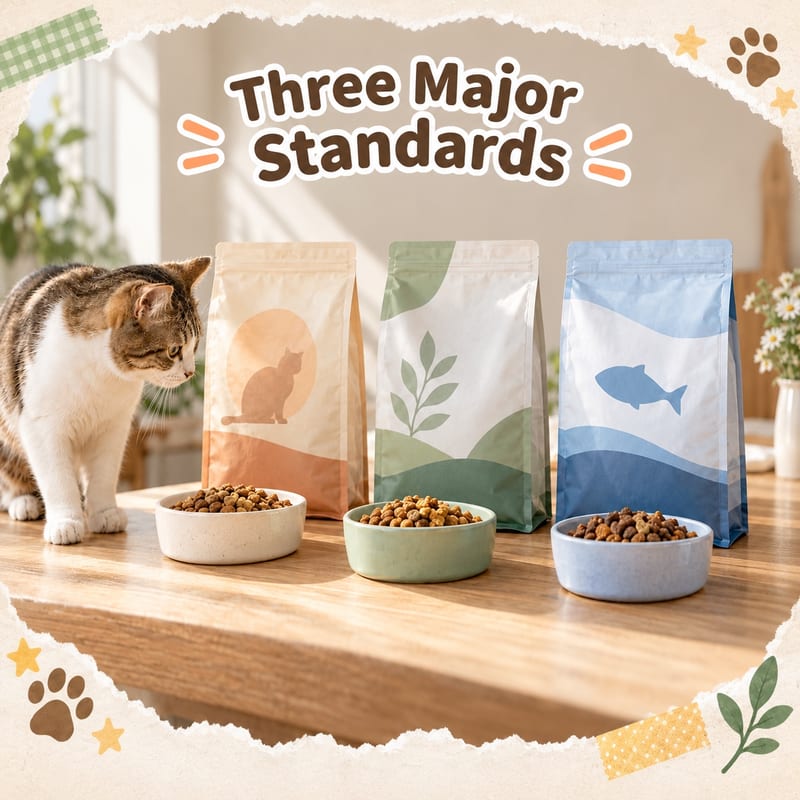
1. Protein content
- Adult cats: ≥30% (ideally above 35%)
- Kittens: ≥35%
- Protein level roughly reflects the quality of meat ingredients—the fastest first filter
2. First five ingredients
- ✅ Should be: chicken, turkey, salmon, venison, beef, etc.—named meats
- ⚠️ Avoid where possible: corn, wheat, soy, "meat by-products" (unspecified animal sources), and artificial colours
3. Age and health status
- Kittens need high protein and fat; senior cats need easy digestion and low phosphorus; cats with urinary or kidney issues may need prescription diets
Beyond the three main criteria, also check: fat 15–25%, whether carbohydrates are excessive, and unnecessary artificial additives. In one sentence: healthy cat food should be "more meat, fewer fillers, clear ingredients".
How to read the ingredient list without getting fooled
Before buying, turn the package over and follow three steps:
- Ingredients are listed by weight—the earlier, the more there is; the first being a named meat is the key threshold
- Beware of "split fillers"—some brands split corn, wheat, etc. into several ingredients so none appears at the top, but combined they can be high
- The front is marketing, the back is truth—big words like "natural", "premium", "no additives" don't count; look at the ingredient list and expected analysis
A quality ingredient list roughly goes "meat → meat meal/organs → small amounts of vegetables and fruits", not "meat → a long list of grains and starches". If the ingredient list is as long as an essay, look more carefully.
Is there a big difference between cheap and expensive cat food?
Yes, but not "the more expensive the better":
| Aspect | Premium/high-end food | Common in budget food |
|---|---|---|
| Protein | Generally higher | May be lower |
| Meat source | Named, clearer | May use by-products |
| Fillers | Fewer | More corn and wheat |
Some mid-range options (e.g., Wellness Core, CANAGAN) offer good value. The right question isn't "how expensive", but "does this ingredient list justify the price". Within the same price band, ingredient quality can vary widely—compare ingredient lists, not price tags.
How to choose for different ages?
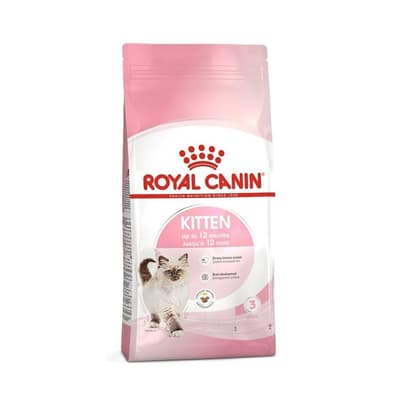
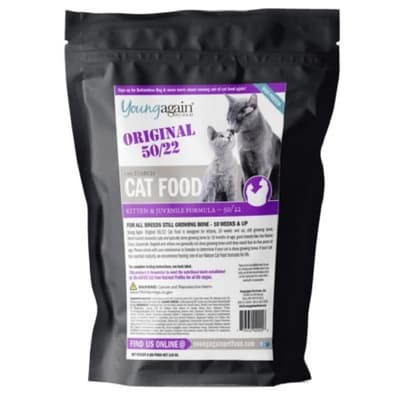
- Kittens: high protein and fat (35%+), small kibble, supports growth and development
- Adult cats: formula to maintain weight and urinary health
- Senior cats: easy to digest, low phosphorus, with joint support ingredients
- Cats with kidney disease: need veterinarian-prescribed diets (low phosphorus, moderate high-quality protein); don't choose "supplements" yourself as a substitute
The same brand usually has formulas for different life stages; switching formula by age is often safer than switching brands. If your cat has a chronic illness or is on long-term medication, consult your veterinarian about feeding arrangements.
Why transition food slowly?
Cats have sensitive stomachs; sudden changes can easily cause vomiting or soft stools. Use the 7–10 day transition:
- Days 1–3: 75% old food + 25% new food
- Days 4–6: half and half
- Days 7–9: 25% old food + 75% new food
- Day 10: fully new food
If soft stools are obvious or your cat refuses to eat, go back to the previous ratio and wait a few more days. Also, don't change food frequently—if your cat eats well, has a shiny coat, and normal stools, no need to switch.
"Can I feed only dry food?" Yes, but dry food is only about 10% moisture, so cats need to drink enough water: consider dry food as the main diet with wet food as a supplement, or use a water fountain to ensure urinary health.
How to tell if this food suits your cat?
After 4–6 weeks, check five indicators:
- Energy: normal vitality, not lethargic all day
- Coat: smooth and glossy, no abnormal shedding
- Stools: formed, not excessively smelly, no long-term soft stools
- Weight: stable, no sudden gains or losses
- Digestion: few vomits, no obvious bloating or smelly gas
If all five pass, this food is right for your cat—don't switch again because of new reviews or ads. If multiple fail, consider changing formula while ruling out disease.
When to see a veterinarian?
Food issues can sometimes mask disease; see a doctor promptly if:
- Complete refusal to eat for over a day, even favourite treats
- Frequent vomiting, blood in stool, or black stool
- Noticeable weight loss in a short time
- Frequent urination, difficulty urinating, blood in urine (especially urgent for male cats—may be urethral obstruction)
- Long-term poor coat and lethargy
Dietary adjustments for kittens, senior cats, and cats with kidney disease should be made under veterinary guidance; don't choose or stop prescription diets on your own.
What you can do starting today
- Weigh your cat once and record it as a baseline for future observation
- Find your current cat food, turn the package over and check: protein ≥30%? Is the first ingredient a named meat?
- If you want to switch, plan a 7–10 day transition—don't do it in one day
- Add a water fountain or place more water bowls; hydration starts with drinking
- For senior cats or those with chronic illness, proactively discuss feeding plans with your veterinarian at the next check-up
Still unsure how to read an ingredient list? PetChill's pet food review section breaks down common Hong Kong cat foods one by one—use the criteria in this article to screen them.
Further reading:
- 2026 Hong Kong Cat Food Recommendations Complete Guide →
- Grain-Free Cat Food Guide →
- Kitten Food Recommendations →
- Cat Canned Food Brands →
This article is for reference only; consult a registered veterinarian for any concerns.
Hong Kong Small Flat Practicalities: Choosing Food + Placement + Hydration Tips
Hong Kong homes are small; where to place and store cat food, and how to get cats to drink more water, are real challenges. Here's a checklist applying the criteria from this article—no need to buy a bunch of extra stuff.
1. Three steps for storing food in small flats
- Moisture-proof: keep the original bag in an airtight container with desiccant packs; don't pour directly into plastic bottles to avoid oxidation.
- Label: stick a memo on the container with opening date + expiry date, so you can track the "4–6 week check period" and avoid expired food.
- Placement: store in a cool cabinet bottom, away from windows and stoves, to reduce humidity and heat.
2. Water fountain vs multiple bowls
As mentioned, dry food is only 10% moisture, so cats need to drink enough. In small Hong Kong flats, try "one fountain, multiple bowls":
- Water fountain: place in a corner of the living room, 24-hour circulating water, quiet so it won't disturb sleep.
- Extra bowls: place a shallow bowl in the bathroom and bedroom each; cats drink as they pass by, no need to go to the living room.
- Change water daily: Hong Kong is hot and humid, bacteria grow easily; once in the morning and once at night is safest.
3. Transition schedule in small flats
The 7–10 day transition works in Hong Kong too, but in small flats note:
- Portion bags: pre-portion daily amounts into small airtight bags, label the day number, to avoid mixing ratios by mistake.
- Label bowls: use two different coloured bowls, one for old food and one for new, so you won't mix them up visually.
- Observation spot: place the litter box near the door; when scooping the litter daily, check stool form to know if the transition is going well.
4. When to see a doctor (Hong Kong edition)
- Complete refusal to eat for over a day: especially in summer heat when appetite is low, but if even canned food is refused, go to a 24-hour emergency clinic.
- Frequent vomiting: Hong Kong is hot and humid, food spoils easily; vomiting with lethargy—go to hospital immediately.
- Abnormal urination: male cats with difficulty urinating need emergency care; Hong Kong has several 24-hour vets—bookmark them in advance.
Remember, a small flat is no excuse; as long as you do the four steps—food storage, placement, hydration, and observation—you can raise a healthy cat with a shiny coat and good stools in Hong Kong too.
Related Product Recommendations
The most important thing when choosing food is your cat's age, digestion, and taste response. Here are products related to this article, available at PetChill:
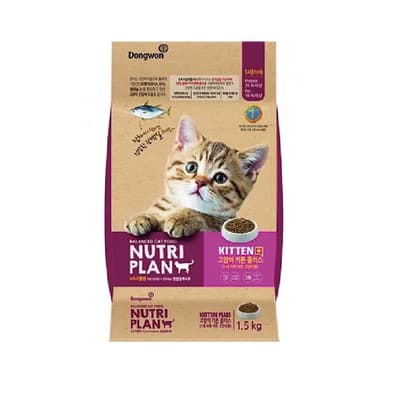
- Nutriplan Cat Food Nutritional Plan Kitten Formula 1.5kg (64353) - Limited Time Offer (Nutriplan Nutritional Plan) — kitten-specific nutrition ratio
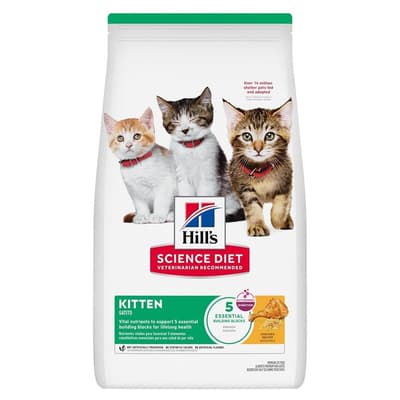
- Hills Cat Food Life Stage Series Kitten Formula Chicken 540g (609888) (Hills) — kitten-specific nutrition ratio
Want more: Nutriplan Nutritional Plan Brand Guide
Product prices and latest offers are subject to the product page; this article is for reference only.
 Nutriplan full guide →
 Wellness Core full guide →
 Orijen full guide →