Quick answer: Dogs do not need to deliberately pursue grain-free; the key is whether the first five ingredients are quality animal proteins, not the words 'grain-free'. Grain-free is only suitable for dogs with a veterinarian-confirmed grain allergy; otherwise, a quality grain-inclusive food is equally healthy.
'Grain-free' has been a major selling point in the pet food market in recent years, and many Hong Kong owners are keen on it. But let's state the core conclusion first: Dogs are omnivores and do not need to be completely grain-free; the key is the animal protein ratio and the quality of fillers in the ingredient list, not the words 'grain-free'. This article breaks down the principles, pros and cons of grain-free food and teaches you to avoid label traps.

Do dogs need grains?
Dogs are different from cats—dogs are omnivores, and their digestive systems can handle some plant-based foods, including moderate amounts of grains:
- Quality grains they can digest: brown rice (healthy carbohydrates), oats (fibre), barley (steady energy)
- The real problem: low-quality corn and wheat used extensively as 'fillers', with low nutritional value
Key point: Dogs are not 'unable to eat grains', but 'should not eat large amounts of low-quality grains as fillers'. Moderate amounts of quality grains are a beneficial carbohydrate source for dogs.
Pros and cons of grain-free dog food
Pros:
- Reduces low-quality grains—provided the formula truly replaces grains with high protein
- Can improve condition for dogs with grain allergies
- Some grain-free foods have a higher protein ratio, suitable for owners seeking more meat
Cons:
- Not necessarily healthier—some grain-free foods use potatoes and legumes as fillers, resulting in higher carbohydrates
- Health concerns—some studies suggest a link between long-term feeding of grain-free diets with large amounts of legumes and dilated cardiomyopathy (DCM) in some dogs, but this is not conclusive
- More expensive—grain-free formulas cost more
Tip: Don't assume 'grain-free' means it's necessarily good—high protein and meat as the first ingredient are the key points. 'Grain-free' but with potatoes and legumes high up is just swapping one filler for another.
How to read the ingredient list to avoid traps?
Whether grain-free or not, always look at the ingredient list when choosing dog food:
- Quality signals (first 5 should be): chicken, beef, salmon, lamb and other named animal proteins
- Watch for fillers: corn, wheat, soy, potatoes, legumes appearing in large amounts
A simple test: copy down the first five ingredients and ask yourself, 'If I cover up the words "grain-free", is this still a good ingredient list?' A clear protein source without a grain-free label is true quality.
Three common misconceptions:
- 'Grain-free = low-carb'—wrong. Potatoes and peas are not lower in carbs than brown rice; grain-free food can be higher in carbs.
- 'The further forward the meat, the better; the number of meats listed equals the amount of meat'—not true. Chicken, chicken meal and chicken broth can be 'split and sorted'; only by counting each item can you see the real picture.
- 'Grain-free is always single-protein'—not necessarily. Sensitive dogs need 'grain-free + single protein source'; these two things must be checked separately on the label.
When to choose grain-free? When to choose grain-inclusive?
Suitable for grain-free:
- Dogs allergic or sensitive to grains (corn, wheat), confirmed by a veterinarian
- Skin or digestive problems when eating grain-inclusive food
- Generally healthy, seeking a higher-protein formula
Suitable for grain-inclusive:
- Dogs without grain sensitivity, doing well on grain-inclusive food
- Want better value for money
- Want to avoid potential concerns of long-term high-legume formulas
| Situation | Recommended direction |
|---|---|
| Confirmed grain sensitivity | Grain-free + single protein |
| Sensitive digestion | Try easily digestible formula first |
| Completely healthy | Quality grain-inclusive or grain-free both fine |
| Genetic heart risk | Consult veterinarian before deciding |
The right way to switch to grain-free food
After deciding to switch, don't do it all at once:
- Confirm the need first—get a veterinarian elimination trial to confirm sensitivity; don't switch just because 'someone said grain-free is good'.
- 7-10 day transition—increase the proportion of new food from one quarter day by day, observing stools and skin condition.
- Set an observation period—observe continuously for 4-6 weeks after switching: has itching reduced, are stools formed, is the coat shiny? If no improvement, the direction is wrong; consult your veterinarian again and don't keep wasting money.
Suspect a heart link? When to see a doctor?
The FDA has studied the possible link between grain-free food (containing large amounts of legumes) and dilated cardiomyopathy (DCM), but there is still no definitive conclusion. If your dog shows easy panting, significantly reduced exercise tolerance, coughing or fainting while on grain-free food, see a registered veterinarian immediately. For dogs with breed-specific genetic heart risk (e.g. Great Dane, Golden Retriever, Labrador), it is best to consult a veterinarian before switching to grain-free as a long-term staple.

What you can do starting today
- Take out your current dog food's ingredient list and check whether the first five are meat or fillers.
- Observe whether your dog has recurring itching, soft stools or other signs of sensitivity.
- Suspect grain sensitivity? Book a veterinarian for an elimination diet trial first; don't switch on your own.
- Before switching to grain-free food, check your breed's heart risk; pay special attention with large breeds.
Want to see ingredient comparisons of various brands? PetChill's dog food review guide breaks down each ingredient list for you. This article is for reference only; consult a registered veterinarian for any concerns.
Related product recommendations
Here are products related to this article, available at PetChill:
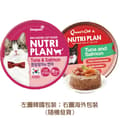
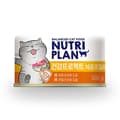
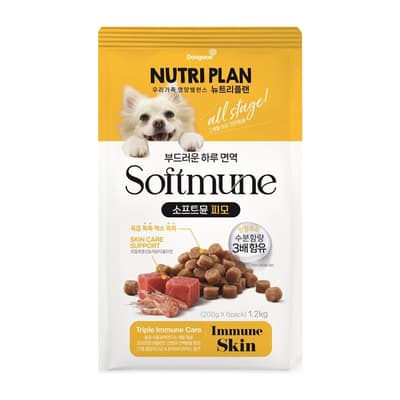
- Nutriplan Dog Canned Food Softmune Soft Texture Series Beef 100g (64888) (Nutriplan) — available at PetChill
- Hills Dog Canned Food Adult 1-6 Healthy Stew Formula 12.5oz (10450) (Hills) — available at PetChill
Want to see more: Nutriplan Brand Guide
Product prices and latest offers are subject to the product page; this article is for reference only.
Further reading
- 2026 Hong Kong Dog Food Recommendation Guide →
- Dry Dog Food Recommendations →
- Freeze-Dried Dog Food Guide →
- Which Dog Food is Best →
- Choosing Cat Complete Wet Food →
- Kitten Food Selection →
- Fish Oil and Taurine for Cats →
- Hong Kong Cat Food Guide →
- Cat Canned Food Brand Comparison →
Hong Kong small flat practicalities: 7-day grain-free switch checklist
Hong Kong living spaces are small, so switching food requires saving space and money. This checklist helps you manage in a 500 sq ft flat:
Day 1-2 | Preparation
- Take out your current food can, take a photo of the ingredient list with your phone, and zoom in on the first five.
- Go to a PetChill store or online shop to buy a 'trial pack' of grain-free food (usually 100-200g); don't buy a large bag at once—no space in a small flat.
- Reserve a shelf in the fridge, portion daily amounts into ziplock bags to avoid moisture.
Day 3-5 | Transition
- Use a kitchen scale (even a $30 one from Taobao) to accurately measure a quarter of the new food and mix with the old.
- Feed at the same time each day, record stool shape (send a photo to yourself on WhatsApp for easy comparison).
- If your dog has soft stools, slow down the ratio immediately; don't force it.
Day 6-7 | Observation
- Check skin: any red spots on the back of ears or belly? Use your phone light to see clearly.
- Check energy: take a ten-minute walk in the park downstairs after work, watch for increased panting.
- If all normal, then consider buying a large bag; if not, stop the new food immediately and take your records to the nearest veterinary clinic (24-hour ones in Yau Ma Tei and Prince Edward).
Hong Kong-specific tips
- Small home: buy a vacuum food storage container (IKEA 1.8L glass jar $39) and put in desiccant.
- Veterinary clinics mostly require appointments; use WhatsApp to book a 'grain sensitivity elimination diet' package, usually $400-600 including consultation.
- If living in a village house with mould issues, grain-free food should ideally be finished within two weeks after opening to avoid legumes absorbing moisture and spoiling.
📌 Key summary
- ✅ Dogs are omnivores; quality grains such as brown rice and oats are acceptable
- ❌ Grain-free does not mean low-carb; potatoes and legumes can be even higher
- ✅ Choose food by checking if the first five are named animal proteins, not by the 'grain-free' label
- ❌ If legumes are high in a grain-free food, it may be linked to DCM risk
- ✅ Do a veterinarian elimination trial before switching, and transition gradually over 7-10 days
- ❌ Don't assume it's necessarily good just because it's trendy or expensive
 Nutriplan full guide →