Quick answers
- ADVANCE is the veterinary prescription range under Spain's Affinity; official materials state the brand has over 25 years of research and development history and products are marketed in more than 70 countries and regions.
- On 2026-10-12, PetChill's Hong Kong online store had 37 ADVANCE prescription formulas on sale: cat food from HK$196, dog food from HK$98, and cat and dog prescription wet food 85g to 150g from HK$15.
- Published official figures show: dog renal formula phosphorus 0.3%, cat renal formula phosphorus 0.45%, cat urinary formula magnesium 0.07%, dog urinary formula magnesium 0.08%.
- Three formulas have published moisture figures allowing dry matter conversion: dog hypoallergenic protein about 24.2%, dog diabetes starch about 31.3%, cat weight loss protein about 44.4%.
- Larger packs generally cost 12% to 17% less per kilogram: cat renal 8kg at about HK$122.5/kg is 13.3% cheaper than the 1.5kg at about HK$141.3/kg.
- All prescription diets must be chosen after veterinary assessment; when changing food, transition gradually according to your vet's instructions, and do not switch on your own just because online reviews look good.
People searching "are ADVANCE prescription diets good" usually want one answer: will this food really help my pet? The direct answer: there is no universal good or bad for prescription diets, only whether it suits this diagnosis. ADVANCE is the veterinary prescription range under Spain's Affinity, officially positioned as "designed for dogs and cats with specific health needs and to be used on veterinary advice". The same bag can be supportive for a cat with chronic kidney disease but unnecessary or even unsuitable for a healthy cat, because its phosphorus, magnesium and protein levels are designed in the opposite direction to normal adult cat food.
Below we first explain ADVANCE's brand background and the ranges available in Hong Kong, then use published nutrition figures from official and authorised retailer sources to break down protein, fat, phosphorus, magnesium and sodium for 13 formulas, followed by a six-step checklist for after you receive veterinary advice, and finally 25 live Hong Kong prices with cost per kilogram, plus several situations that must be handed back to the vet. To build an overall framework for choosing food first, see the site's Pet Nutrition Guide, then take this article's numbers to discuss with your vet.
1. What is ADVANCE prescription diet? Brand background and ranges available in Hong Kong
ADVANCE's official materials are fairly clear: parent company Affinity is a Spanish company officially stated to have over 50 years of experience producing animal food; ADVANCE itself is the brand's super-premium veterinary pet food line, officially stated to have over 25 years of R&D history, with products marketed in more than 70 countries and regions, including Hong Kong. The brand has an Affinity Nutrition Center near Barcelona, a campus of about 20,000 square metres, with a team including veterinarians, nutritionists, biologists and behaviourists; official materials state research covers weight control, urinary health, intestinal condition, kidney problems and skin and coat.
One point must be clear: all of the above is self-reported by the brand and is not independent third-party certification. To verify, the most practical approach is to check the packaging for country of origin and nutritional labelling, or ask the retailer directly for that batch's information.
Official positioning of Advance Veterinary Diets is "for dogs and cats with specific needs, to be used on veterinary advice". This is not just polite wording, because legitimate Hong Kong retailers also state on prescription diet pages: before purchase, a registered veterinarian should examine the pet and confirm that the vet, after professional assessment and diagnosis, recommends the product.
The ADVANCE prescription ranges available in Hong Kong are roughly as follows:
| Range (official name) | Main target condition (official description) | Official nutritional design focus | Sizes available in Hong Kong |
|---|---|---|---|
| Dog GASTROENTERIC | Gastrointestinal disease, exocrine pancreatic insufficiency | Highly digestible ingredients, lower fat, increased sodium and potassium, contains immunoglobulins, glutamine, coconut oil and prebiotics | 800g / 3kg / 12kg |
| Dog RENAL | Chronic or temporary renal insufficiency | Restricted but high-quality protein, low phosphorus, moderate sodium, soluble fibre, maintains neutral urine pH | 3kg / 12kg |
| Dog URINARY | Reduce struvite recurrence | Urine acidification, low magnesium, low phosphorus, moderate protein | 3kg |
| Dog HYPOALLERGENIC | Ingredient and nutrient intolerance, adverse food reactions | Single protein source (hydrolysed soy protein), single carbohydrate source (purified starch), coconut oil | 2.5kg |
| Dog DIABETES | Diabetes, colitis | Low rapidly released carbohydrates, lower fat, high soluble fibre, low calories | 3kg |
| Dog WEIGHT BALANCE MINI / MEDIUM-MAXI | Overweight and obesity, hyperlipidaemia | High fibre for satiety, higher protein to preserve muscle | 1.5kg / 3kg / 12kg / 15kg |
| Dog ATOPIC MINI / MEDIUM-MAXI | Skin allergy, food sensitivity-related skin problems | Linoleic acid about 3.0% to 3.2%, omega-3 fatty acids, DHA | 1.5kg / 3kg / 12kg |
| Dog ARTICULAR CARE / LIGHT ARTICULAR CARE | Joint problems, or joint problems plus weight control | Hydrolysed collagen, glucosamine and chondroitin, hyaluronic acid, omega-3 and omega-6 | 3kg |
| Cat GASTROENTERIC SENSITIVE | Gastrointestinal disease, exocrine pancreatic failure | Highly digestible ingredients, moderate fat, increased sodium and potassium, selected protein and carbohydrate sources | 1.5kg / 7.5kg |
| Cat RENAL | Chronic kidney disease | Restricted but high-quality protein, low phosphorus, low sodium, soluble fibre, maintains neutral urine | 1.5kg / 8kg |
| Cat URINARY | Reduce struvite recurrence | Urine acidification, low magnesium, contains glucosamine 400mg/kg and chondroitin sulfate 100mg/kg | 1.5kg / 3kg |
| Cat URINARY STRESS / LOW CALORIE-STERILIZED | Urinary management for stressed or neutered cats | Low magnesium, controlled urine pH, calories adjusted for neutered needs | 1.25kg |
| Cat WEIGHT BALANCE | Obesity, hyperlipidaemia | Protein 40%, fat 9%, fibre 10%, added L-carnitine | 1.5kg / 8kg |
| Cat HYPOALLERGENIC | Food intolerance and allergy | Hydrolysed protein, limited allergens | 1.25kg |
The point is not which range scores highest, but which range matches which diagnosis. The same pet can have two problems at once (for example kidney disease plus joint degeneration); in such cases you should definitely not combine foods yourself; the vet must decide which formula is the main food and which can only be short-term support. For comparison methods for everyday retail foods, see the Orijen cat food review and Canagan cat food review, but note: the review framework for retail foods cannot be applied directly to prescription diets.
2. Ingredient list and expected analysis item by item: what are the differences in protein, fat, phosphorus, magnesium and sodium?
The figures below are nutritional analyses published on the brand's product pages and by authorised retailers, compiled from PetChill product pages. A blank "—" means the item is not listed on the public page, not that the product lacks that ingredient.
| Formula (official name) | Crude protein | Crude fat | Crude fibre | Crude ash | Phosphorus | Magnesium | Sodium | Potassium |
|---|---|---|---|---|---|---|---|---|
| Dog RENAL 3kg / 12kg | 14.5% | 17.5% | 3.0% | 4.5% | 0.3% | — | 0.25% | 0.6% |
| Dog GASTROENTERIC 3kg / 12kg | 25% | 12.8% | 1.3% | 7.5% | — | — | 0.6% | 0.7% |
| Dog URINARY 3kg | 22% | 15% | 2.0% | 5.0% | 0.6% | 0.08% | 0.25% | 0.65% |
| Dog HYPOALLERGENIC 2.5kg | 22% | 11% | 2.0% | 6.5% | 0.9% | — | — | — |
| Dog DIABETES 3kg | 23% | 12% | 6.5% | 7% | 0.9% | — | — | — |
| Dog ATOPIC MINI 1.5kg | 26% | 18% | 3.0% | 7.3% | — | — | — | — |
| Dog ATOPIC MEDIUM-MAXI 12kg | 25% | 17% | 3.0% | 7% | — | — | — | — |
| Dog LIGHT ARTICULAR CARE 3kg | 28% | 12.5% | 6.0% | 6.5% | 0.9% | — | — | — |
| Cat RENAL 1.5kg / 8kg | 25% | 15.5% | 2.5% | 5.3% | 0.45% | — | 0.2% | 1.0% |
| Cat GASTROENTERIC SENSITIVE 1.5kg / 7.5kg | 35% | 13% | 2.0% | 8% | — | — | 0.5% | 0.8% |
| Cat URINARY 1.5kg / 3kg | 35% | 14% | 1.5% | 6.5% | 0.7% | 0.07% | 0.7% | 0.9% |
| Cat URINARY STRESS 1.25kg | 34% | 13% | 1.0% | 7.5% | 0.9% | 0.07% | 0.8% | 1.0% |
| Cat WEIGHT BALANCE 1.5kg / 8kg | 40% | 9% | 10% | 7% | 0.9% | — | — | — |
Two comparisons stand out clearly from this table. First, within the same brand, renal and urinary formulas go in completely opposite directions: dog renal phosphorus 0.3%, protein 14.5%; dog urinary phosphorus 0.6%, protein 22%. If your pet has kidney disease but you bought the urinary formula, the phosphorus burden is different. Second, magnesium is key in urinary formulas: cat urinary and cat urinary stress are both 0.07%, while ordinary retail adult cat foods usually have noticeably higher magnesium, which is why urinary management requires a specified formula.
On ingredients, public information shows several features: dog GASTROENTERIC's first ingredient is rice (28%), followed by whole corn, corn protein, dehydrated poultry protein (including 6% dehydrated chicken protein), coconut oil (3.8%), etc.; dog HYPOALLERGENIC uses hydrolysed soy protein as the single protein source and purified starch as the single carbohydrate source; cat GASTROENTERIC SENSITIVE's ingredient list is rice, dehydrated turkey protein, pea protein, hydrolysed animal protein, animal fat, etc.; cat URINARY's ingredient list states glucosamine 400mg/kg and chondroitin sulfate 100mg/kg. Ingredient order represents weight proportion, with the first ingredient the largest, the same as reading retail food.
The brand also publishes several "internal data" points: the weight loss cat formula says 83% of cats lost weight within 3 months; dog WEIGHT BALANCE MEDIUM-MAXI says 94% of dogs lost weight within 2 months, and the MINI version says 85%; the joint formula says 82% of dogs showed improved mobility within 2 months; the renal formula says soluble fibre reduces nitrogen excreted through the kidneys by 14%. These are brand self-reported and internal data, not independent third-party research, and do not mean your pet will have the same results; treat them as background information and not as promises of efficacy.
Three principles to remember when reading these numbers. First, "expected analysis" is a legal statement, not a laboratory average: "crude protein minimum 22%" means it will not be less than 22% at manufacture, and may be slightly higher; "moisture maximum 10%" means it will not exceed 10%. Second, to compare with other foods you must convert to a dry matter basis, using the formula: labelled percentage ÷ (100 − moisture percentage) × 100. Using published figures as examples: dog HYPOALLERGENIC moisture 9%, dry matter protein = 22 ÷ 91 × 100 = about 24.2%, dry matter fat = 11 ÷ 91 × 100 = about 12.1%, dry matter phosphorus = 0.9 ÷ 91 × 100 = about 0.99%; dog DIABETES moisture 9%, dry matter starch = 28.5 ÷ 91 × 100 = about 31.3%; cat WEIGHT BALANCE moisture 10%, dry matter protein = 40 ÷ 90 × 100 = about 44.4%, dry matter fat = 9 ÷ 90 × 100 = 10.0%. Other formulas do not list moisture on public pages, so conversion is not possible, and you should not assume a moisture figure to calculate. Third, the same formula from different production origins can have different labelling: public information shows the dog renal formula listed with crude protein 14.5% and 16.5% in two versions; these are regional version differences, so always rely on the pack in your hand.
3. After receiving veterinary advice: a six-step checklist
After the vet recommends a formula, the owner still needs to do several things to ensure the purchase and feeding are right. Do the following six steps in order; it takes about ten minutes.
- Write down the full name and version your vet said. Do not just note "ADVANCE renal"; note the range name (e.g. RENAL), size line (MINI / MEDIUM-MAXI) and size (3kg or 12kg). The same range has different size lines with different kibble size and calorie density.
- Check that the nutrition analysis on the pack matches your information. Focus on phosphorus, magnesium, sodium and protein, and see whether they match the table in this article; if not, it is a different version, so ask your vet again.
- Confirm there is a "complete and balanced" statement and life stage. Prescription dry foods generally state they are complete dietary products for adult dogs or cats; if it is only a short-term support formula (e.g. post-surgery recovery), it should not be used as a long-term main food.
- Confirm the start date for changing food and how many days to transition. This must follow your vet's instructions; a common approach is to mix gradually by proportion over several days, never switch all at once.
- Record starting weight, water intake, urine and stool, and food intake. These are the most valuable data at follow-up, far more useful than "seems better".
- Schedule the follow-up and prepare a list of questions. Prescription diets usually need adjustment based on follow-up results; you do not buy once and keep feeding forever.
| Checkpoint | Expectation | How to check | ADVANCE public information |
|---|---|---|---|
| Veterinary diagnosis and recommendation | A clear diagnosis, stating which formula and when to follow up | Check vet records or clinic receipts | Official and retailer materials both state use on veterinary advice |
| Complete and balanced statement | Packaging states it is a complete dietary product and the applicable life stage | Check small print on front and side of pack | Official descriptions state many formulas are complete dietary products for adult dogs and cats |
| Phosphorus level | Depends on diagnosis; renal formulas require lower levels | Check expected analysis phosphorus | Dog RENAL 0.3%, cat RENAL 0.45% |
| Magnesium level | Urinary management requires lower levels | Check expected analysis magnesium | Dog URINARY 0.08%, cat URINARY and URINARY STRESS 0.07% |
| Protein level | Depends on diagnosis; renal formulas restrict but require high quality | Check expected analysis protein and protein sources in ingredients | Dog RENAL 14.5%, cat RENAL 25% |
| Calories and weight management | Calorie density data available, can be used with body condition score | Check pack or ask retailer | Some formulas do not list metabolisable energy on public pages; ask the retailer |
| Single protein / hydrolysed protein | Adverse food reaction cases require a single source | Check number of protein sources in ingredients | Dog HYPOALLERGENIC uses hydrolysed soy protein as single source |

Two things are most often skipped in the process. First, the transition period: gastrointestinal formulas are designed for sensitive guts, but a sudden complete change can still cause soft stool, so follow the number of transition days your vet gives. Second, records: whether a prescription diet works is not judged by feeling but by follow-up blood and urine numbers and weight changes. Without records, you cannot explain clearly at follow-up.
4. Hong Kong prices and cost per kilogram: ADVANCE prescription diets
When comparing prescription diet prices, do not look only at the price per bag; use the price per kilogram, formula: price ÷ net weight (kg). Below are PetChill online store live prices on 2026-10-12 (stock and final selling price are subject to the product page at the time).
| Product (size) | Online store price | Price per kg |
|---|---|---|
| ADVANCE prescription diet cat food urinary formula 1.5kg | HK$196 | about HK$130.7 |
| ADVANCE prescription diet cat food urinary formula 3kg | HK$305 | about HK$101.7 |
| ADVANCE prescription diet cat food urinary/stress 1.25kg | HK$196 | about HK$156.8 |
| ADVANCE prescription diet cat food renal formula 1.5kg | HK$212 | about HK$141.3 |
| ADVANCE prescription diet cat food renal 8kg | HK$980 | about HK$122.5 |
| ADVANCE prescription diet cat food gastrointestinal formula 1.5kg | HK$219 | about HK$146.0 |
| ADVANCE prescription diet cat food gastrointestinal formula 7.5kg | HK$1,080 | about HK$144.0 |
| ADVANCE prescription diet cat food weight loss formula 1.5kg | HK$234 | about HK$156.0 |
| ADVANCE prescription diet cat food weight loss 8kg | HK$1,040 | about HK$130.0 |
| ADVANCE prescription diet cat food hypoallergenic 1.25kg | HK$245 | about HK$196.0 |
| ADVANCE prescription diet dog food gastrointestinal formula 800g | HK$98 | about HK$122.5 |
| ADVANCE prescription diet dog food gastrointestinal formula 3kg | HK$282 | about HK$94.0 |
| ADVANCE prescription diet dog food gastrointestinal formula 12kg | HK$1,080 | about HK$90.0 |
| ADVANCE prescription diet dog food renal formula 3kg | HK$282 | about HK$94.0 |
| ADVANCE prescription diet dog food renal 12kg | HK$993 | about HK$82.8 |
| ADVANCE prescription diet dog food urinary formula 3kg | HK$282 | about HK$94.0 |
| ADVANCE prescription diet dog food diabetes formula 3kg | HK$266 | about HK$88.7 |
| ADVANCE prescription diet dog food hypoallergenic formula 2.5kg | HK$356 | about HK$142.4 |
| ADVANCE prescription diet dog food joint formula 3kg | HK$399 | about HK$133.0 |
| ADVANCE prescription diet dog food light joint 3kg | HK$267 | about HK$89.0 |
| ADVANCE prescription diet dog food small breed weight loss formula 1.5kg | HK$170 | about HK$113.3 |
| ADVANCE prescription diet dog food medium-large breed weight loss formula 3kg | HK$282 | about HK$94.0 |
| ADVANCE prescription diet dog food medium-large breed weight loss 12kg | HK$1,090 | about HK$90.8 |
| ADVANCE prescription diet dog food small breed skin formula 1.5kg | HK$195 | about HK$130.0 |
| ADVANCE prescription diet dog food medium-large breed skin formula 12kg | HK$1,380 | about HK$115.0 |
Even within ADVANCE prescription diets, different sizes can vary widely in price per kilogram. Four measured differences are worth noting:
- Cat renal: 8kg at about HK$122.5/kg is 13.3% cheaper than 1.5kg at about HK$141.3.
- Cat weight loss: 8kg at about HK$130.0/kg is 16.7% cheaper than 1.5kg at about HK$156.0.
- Dog renal: 12kg at about HK$82.8/kg is 12.0% cheaper than 3kg at about HK$94.0.
- Dog gastrointestinal: 800g at about HK$122.5/kg is 30.3% more expensive than 3kg at about HK$94.0, so small bags are only suitable for trial feeding or short-term use.
One practical limitation to note: you may not be able to buy a large bag from the start. If your pet is trying a formula for the first time, buying a large bag wrong is wasteful, and some formulas need adjustment based on follow-up results, so starting with a small bag and moving to a large bag once stable is more practical. In addition, cat and dog prescription wet food 85g to 150g generally starts at HK$15; the price is relatively high, and the usual purpose is mixing into dry food to increase acceptance or add water.
A few related products for price comparison at a glance (stock status is subject to the product page at the time):
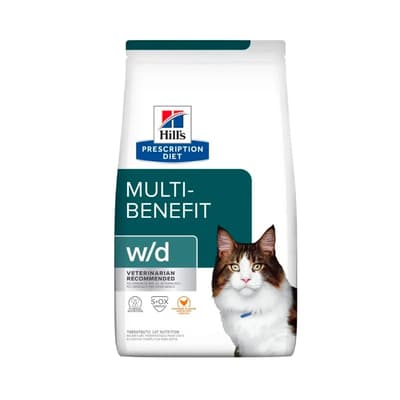
- Hills prescription diet cat food w/d multi-management formula 4lbs (6159) — HK$376 (available for pre-order)
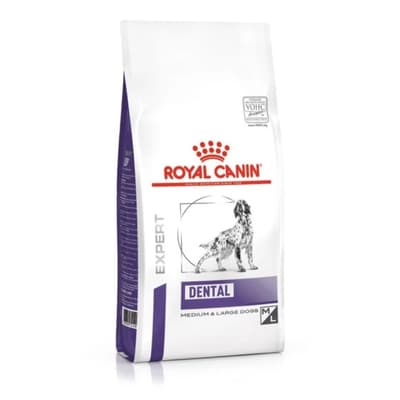
- Royal Canin prescription diet French Royal dog food DENTAL medium-large breed dental care health management prescription 6kg (3093000) — HK$604 (available for pre-order)
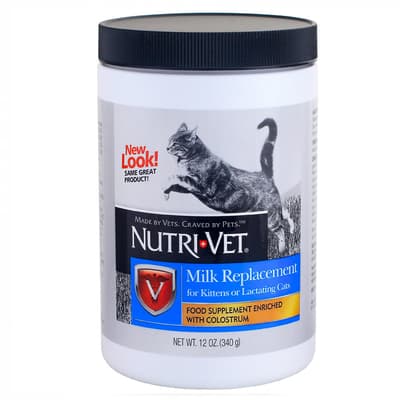
- Nutrivet cat milk powder with bovine colostrum 12oz (NV99878) — HK$180 (available for pre-order)
Prices and stock are subject to the online store's live prices. These three products are listed here only for price comparison, and do not mean any of them can replace veterinary advice; w/d and DENTAL are prescription formulas, and kitten milk powder is supportive nutrition under veterinary direction; the three have different uses, and you should still ask your vet before buying.
5. Four common misconceptions, and several red lines that must go back to the vet
Misconception 1: good online reviews mean it suits your pet. Prescription diets are designed for a diagnosis; the same question "are ADVANCE good" has opposite answers for a cat with kidney disease and a healthy cat. Online reviews usually lack urine, blood and weight figures, so their reference value is limited.
Misconception 2: calculating portions yourself, or adding or reducing on your own. Prescription diet portions must match body condition score and follow-up results; this article does not and should not provide any dose or portion advice. The pack has feeding guidelines, but the actual portion must be decided by the vet.
Misconception 3: switching back to normal food as soon as things improve, or stopping medication on your own. Nutritional management of chronic disease is usually long term; the timing of changing food and stopping medication must be decided by the vet. Stopping medication or changing food on your own can cause values to rebound, and then more time is needed to recover.
Misconception 4: rotating prescription diets like supplements. Some owners buy several prescription diets and "rotate" them, thinking this gives more complete nutrition. In reality, different formulas' phosphorus, magnesium, sodium and protein levels are designed for different conditions, and mixing them randomly means none of the design goals are met. If you want variety, ask the vet which can be the main food and which can only be short-term support.
The following situations should not wait, and should not be handled by changing food; contact a vet immediately: your pet has not eaten at all for more than 24 hours, persistent vomiting or diarrhoea for more than a day, a sudden large increase in urine or no urine at all, blood in urine, rapid breathing or open-mouth breathing, seizures or sudden inability to stand, yellowing of the whites of the eyes or gums. These are acute problems; prescription diets are long-term management tools, not first aid.

Further reading
- Pet Nutrition Guide: ingredients, calories, how to choose prescription diets (2026)
- Brabanconne cat food review: ingredients and prices at a glance
- Canagan cat food review: grain-free formula ingredients item by item
- Orijen cat food review: ingredients, prices and Hong Kong buying tips
In an emergency, contact a vet immediately; this article is for reference only and cannot replace veterinary diagnosis.
Information checked as of 2026-10-12Source: PetChill editorial team
 Royal Canin full guide →
 Orijen full guide →
 Fuji One full guide →