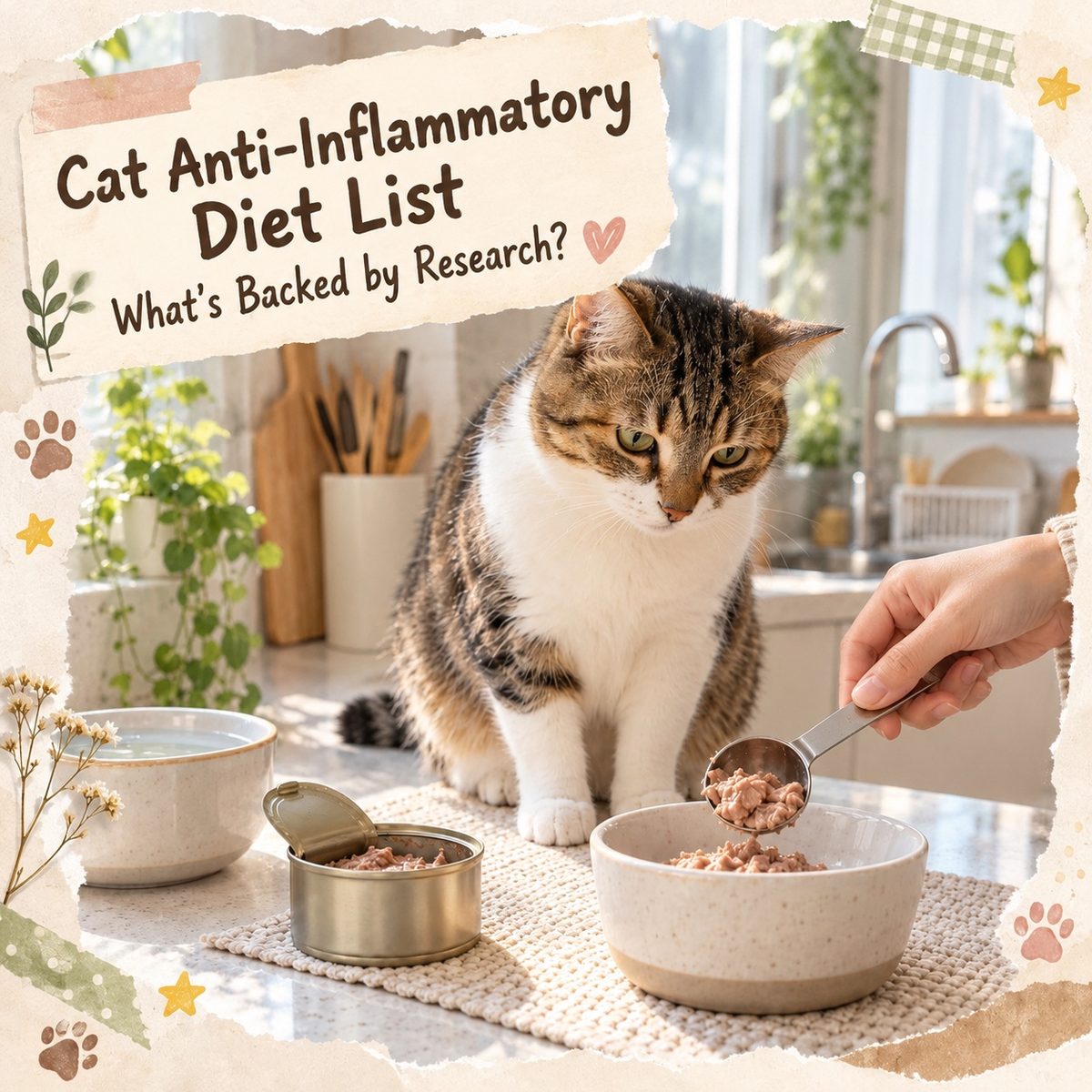
Quick answers
- The main research-backed anti-inflammatory nutritional directions are 3: omega-3 (EPA/DHA), high-quality animal protein, and antioxidant nutrients (vitamins E, C, polyphenols).
- There is no single "anti-inflammatory food". Cats are obligate carnivores, so the diet should be based on complete food meeting AAFCO or FEDIAF standards, providing over 90% of daily calories.
- Omega-3 should not be added on your own: cats are sensitive to excess fish oil. If adding, a vet should calculate it based on weight and condition, and compare package labels using the same unit (per 100 g or per 100 kcal).
- At least 6 unproven folk remedies: coconut oil, raw meaty bone diets, garlic, DIY turmeric powder, apple juice or fruit vinegar, and human anti-inflammatory supplements.
- For water intake, a general reference is 40 to 60 ml per kg body weight per day; wet food contains about 75% to 80% moisture. Cats with urinary or kidney problems need a target set by a vet.
- Pacing: change only 1 thing at a time, record for 14 consecutive days, and allow at least 4 to 8 weeks overall to see changes.
- 5 warning signs: vomiting or diarrhoea lasting over 48 hours, weight loss over 5% within 4 weeks, abnormal breathing, refusing food for over 24 hours, or ulcers in the mouth or on the skin. If any 1 appears, do not wait.
The most direct answer to "Which foods are most effective at reducing inflammation in cats?" is: the research-backed directions are mainly omega-3 (EPA/DHA), high-quality animal protein and antioxidant nutrients — the point is not to "find one magic food" but to have a complete diet, high-quality protein and the right fat sources. Conversely, the most widely circulated online remedies — coconut oil, raw meaty bones, garlic and DIY turmeric powder — are unproven folk remedies, some with real risks. Also, to be clear: dietary adjustment is supportive. Any dietary plan for a disease — joint problems, skin sensitivity, gastrointestinal inflammation, kidney disease — must be assessed and followed up by a veterinarian.
Cats are obligate carnivores, with metabolism different from dogs and humans: taurine, arachidonic acid, vitamin A and others are mainly supplied by animal-based foods, so you cannot copy human "anti-inflammatory diets" or dog food lists. This article covers three levels: research-supported nutritional directions and their level of evidence, unproven folk remedies and their risks, and how to implement changes plus when a vet must be involved. To first learn how to read ingredient labels and calculate calories, see Pet Nutrition Guide | How to Choose: Ingredient Labels, Calories, Prescription Diets (2026).
What is "inflammation" in a cat's body?
Acute inflammation is a normal defence response: after injury, infection or a foreign body, the area becomes red, swollen, hot and painful, usually subsiding within days to two weeks as the cause is cleared. Chronic low-grade inflammation is different: there is no fever or bleeding; signs may include stiff joints, recurring itchy skin, an up-and-down digestive system, poor coat quality, and reduced activity and jumping height. These signs are very vague and can come from many causes — joint degeneration, dental problems, food or environmental allergies, parasites, endocrine or kidney disease. So the first step in "helping a cat fight inflammation" is not buying food, but having a vet confirm what is happening.
Pay special attention to cats' hidden instincts. Cats rarely show obvious pain; when you see they no longer jump onto the table, come down in two steps, or refuse to let you touch a certain spot, joint or discomfort may have been present for months. The easiest signal to catch is actually a behaviour change, not "crying in pain". The most dangerous thing at this point is to add supplements yourself or switch to an "anti-inflammatory diet", because that can mask symptoms and make it harder for the vet to judge.
Another concept to distinguish is "food" versus "nutrient". What the cat eats is whole food, but what affects the body is the nutrients and their proportions. So saying "salmon is anti-inflammatory" really means the EPA/DHA and high-quality protein that salmon provides, and this goal can be achieved through a well-formulated complete food without extra toppings, which can actually upset nutritional balance. Likewise, "antioxidant" does not equal "anti-inflammatory"; they are different mechanisms and should not be confused.
6 research-supported nutritional directions (and how strong the evidence is)
The table below organises common claims by nutritional direction and indicates how far the research goes. Note the "evidence level" column: having mechanistic research support is completely different from "research suggests to treat a disease".
| Nutritional direction | Research lead | Practical approach (no DIY dosing) | Evidence level |
|---|---|---|---|
| Omega-3 (EPA/DHA from fish oil or fish) | Research shows a link to pathways generating inflammation-related mediators | Choose complete food with added fish oil; if adding supplements separately, a vet should calculate based on weight | Moderate: clear mechanism, limited clinical evidence as disease treatment |
| High-quality animal protein (chicken, fish, turkey, egg, etc.) | Protein deficiency affects tissue repair and immune function | Base on complete food meeting AAFCO/FEDIAF; protein sources should be clearly labelled | High (as basic nutrition), but not an "anti-inflammatory food" |
| Antioxidant nutrients (vitamin E, vitamin C, polyphenols such as anthocyanins) | Animal studies suggest reduced oxidative stress | Complete food already contains them; extra supplementation must avoid excess | Low to moderate: antioxidant ≠ anti-inflammatory |
| Dietary fibre and gut microbiota | Gut microbiota interacts with the immune system; fibre fermentation produces short-chain fatty acids | Choose complete food with appropriate fibre, or use fibre supplements as advised by a vet | Moderate: plausible direction, cannot replace treatment |
| Wet food and water | Increasing total water intake is important for urinary and kidney health | Mix dry and wet, or adjust wet food proportion as advised by a vet | High (for water), but not an anti-inflammatory mechanism |
| Curcumin | Anti-inflammatory signals in laboratory and human studies; low oral absorption in cats | Not recommended to add on your own at this stage | Low: insufficient feline evidence |
After the table, three points to remember. First, "research lead" usually comes from laboratory (cell or test tube), small animal studies or human studies, mostly measuring inflammatory markers rather than "how much better the cat feels". Second, the strongest evidence is actually the least fancy basic nutrition: enough protein, correct fat sources, enough taurine, sufficient water. Third, if a vet prescribes a diet for joint, skin, gastrointestinal or kidney problems, it is a medical measure controlling protein, phosphorus or allergens according to the condition, and cannot be replaced with ordinary ingredients on your own. For dogs, research directions on ingredients can be a reference, such as Dog Anti-Aging Foods Guide | 7 Essential Longevity Ingredients + Lutein for Hong Kong Pets, but cat and dog metabolism differ and cannot be copied directly.
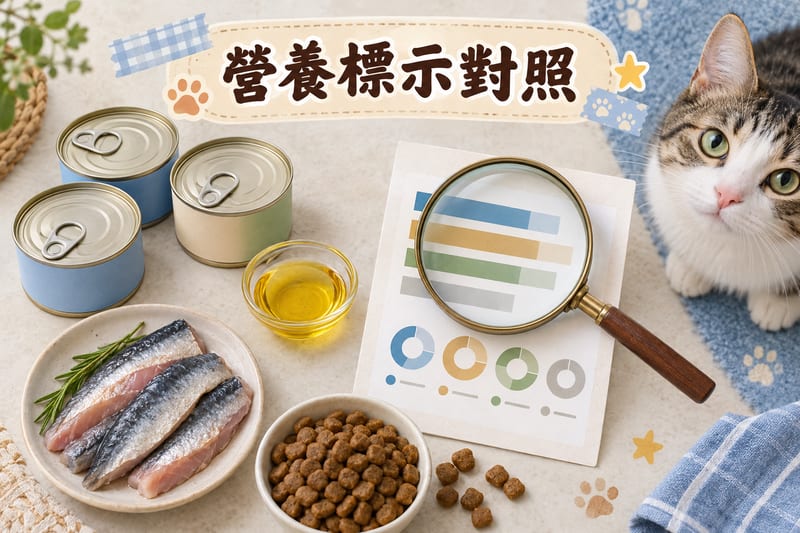
6 "anti-inflammatory" claims that are actually unproven (some risky)
Folk remedies are popular because they sound simple, immediately actionable, and mostly don't cause immediate harm, making owners feel "no harm in trying". But for cats, the cost of "trying" may be nutritional imbalance, pancreatitis, liver burden, or even poisoning. The table below lists the 6 most common claims and risks.
| Common claim | Source of claim | Risk/problem | Safer approach |
|---|---|---|---|
| Coconut oil is anti-inflammatory and improves skin | Human diet trend applied to pets | Extremely high fat proportion; sudden large amounts can cause gastrointestinal upset or even pancreatitis | To improve coat, first check the fat sources and omega-3 labelling of the complete food |
| Raw meaty bone diet (BARF) is most natural | Advocates mimicking ancestral diet | Pathogen risk (Salmonella, Campylobacter); bones can cause tooth fractures or intestinal blockage | Use commercial complete food meeting standards, or a cooked diet plan guided by a vet |
| Garlic is antibacterial and anti-inflammatory | Human folk remedy | Cats are especially sensitive to allium plants, which can destroy red blood cells; a forbidden ingredient | Avoid completely, including garlic powder and human soups containing garlic |
| DIY turmeric powder | Extension of human research | Low oral absorption in cats; commercial products often contain other extracts and may harm the liver | Decide after veterinary assessment; do not add to the cat bowl yourself |
| Apple juice, fruit vinegar for detox and anti-inflammation | Circulated online | High sugar and acidity; cats don't need it and it may cause gastrointestinal upset | Add water to wet food to increase water intake |
| Human anti-inflammatory supplements (fish oil capsules, MSM, CBD, etc.) | Directly reducing human product doses | Doses, excipients and metabolism are unsuitable for cats; may interact with veterinary prescription drugs | Always have a vet prescribe and follow up |
After this table, the most practical principle is one sentence: for anything "added to the cat bowl" without veterinary instruction, ask yourself three questions — does the cat need it? Has research been done on cats? How would you detect a problem? If you can't answer all three, don't add it. To understand the framework for food safety and contraindications, you can compare the dog versions: Dog Forbidden Foods Guide | 10 Food Traps Hong Kong Dog Owners Must Know and 10 Dangerous Foods Dogs Cannot Eat | 3 First Aid Steps for Hong Kong Owners. Note that cat and dog contraindications are not identical: cats are more sensitive to alliums, and also beware of xylitol and alcohol; if a known forbidden food is ingested, do not wait for symptoms — contact a vet directly.
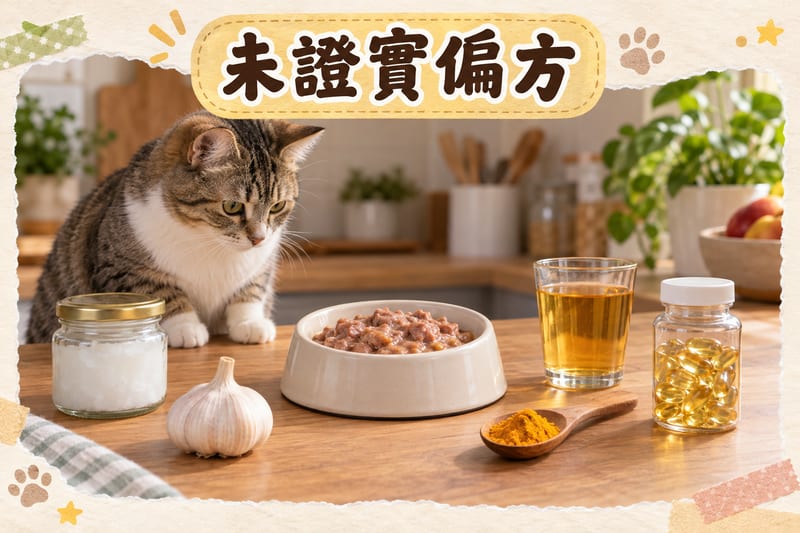
7-day action checklist: change only one thing at a time
The most common reason dietary adjustments fail is not choosing the wrong ingredients but "changing too much at once". The following 7 steps are a process to establish order within 7 days, then observe at a 14-day and 4-to-8-week pace.
Step one: record a 3-day baseline. Write down daily food intake (grams or can proportion), water intake, number and shape of stools, scratching frequency, and number of jumps onto high places. Use photos to record skin or body condition for later comparison.
Step two: confirm whether the main food is complete or complementary. Only cans labelled "complete food" or meeting AAFCO/FEDIAF complete nutrition standards can be fed long-term as the main diet; those labelled "complementary", "supplementary" or "snack" will cause nutritional deficiencies if fed alone long-term.
Step three: start with the main food, not supplements. First check whether the packaging states protein sources, fat sources and EPA/DHA content, then decide whether to switch to a complete food with a clearer formula.
Step four: change only 1 thing at a time, then observe for 14 consecutive days. Transition food over 7 to 10 days by gradually mixing: reduce the old food proportion from 75% to 0%, adjusting every 2 to 3 days, to avoid sudden food changes causing diarrhoea.
Step five: record with numbers, not just "seems better". For example, scratching from 6 times a day to 2, jumping onto the table from 0 to 3 times, water intake from 90 ml to 130 ml. Numbers are the only evidence you can present to a vet.
Step six: do a summary after 4 weeks. If there is no change at all, do not escalate; instead take the records to see a vet. If there is improvement, you can add a second variable, again observing for 14 days.
Step seven: do not touch veterinary prescriptions throughout. If the cat is already on a prescription diet, painkillers or other medication, do not reduce or stop on your own because "it's eating better"; all adjustments follow veterinary instructions.
How to choose complete food and wet food (common choices in Hong Kong)
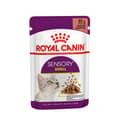
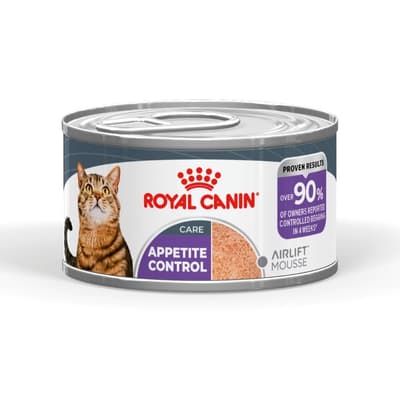
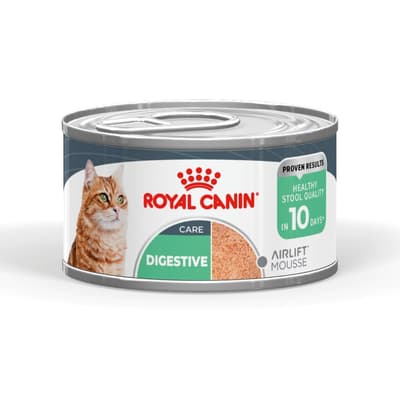
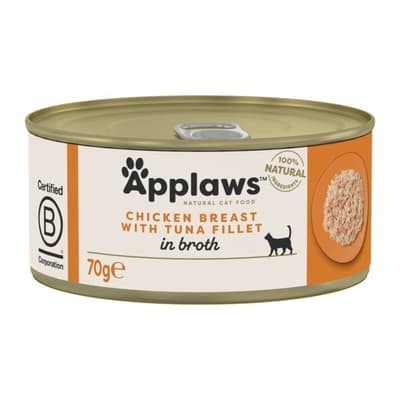
If the cat is healthy and the vet has no special instructions, the key to choosing food is "clear labelling, meets complete nutrition standards, clear protein sources". The following are general complete food products available at PetChill's online store; they are everyday complete food choices, not "anti-inflammatory" or therapeutic uses. Confirm protein sources and your cat's actual situation with a vet before choosing:
- Royal Canin AIRLIFT Cat Can Adult Appetite Control Complete Wet Food 85g (4240700) — HK$24
- Royal Canin AIRLIFT Cat Can Adult Digestive Care Complete Wet Food 85g (4241300) — HK$24
- Applaws Cat Can Shredded Breast Chicken + Tuna in Broth 70g (1027) — HK$14 (available for pre-order)
Prices and stock are subject to the online store's current listed price.
When choosing cans, check three things. First, see whether it is labelled "complete food" or "complementary food"; only complete food can be fed alone long-term. Second, check moisture content: general wet food contains about 75% to 80% moisture, which practically helps cats that don't like drinking water, but it is a water source, not an anti-inflammatory mechanism. Third, check protein sources and fat proportion; for cats with gastrointestinal or kidney problems, protein and phosphorus targets must be set by a vet, and you cannot choose based on the words "high protein" on the package.
There is no standard answer for the ratio of dry to wet food: generally complete food provides over 90% of daily calories, snacks are kept under 10%, and the same day's main food portion is reduced to avoid excess calories.
5 situations where you must see a vet immediately
The following situations are outside the scope of home dietary adjustment and should not be tried for weeks first. Dietary plans in these cases must be assessed by a vet.
| Situation | Why urgent | Recommended action |
|---|---|---|
| Vomiting or diarrhoea lasting over 48 hours | Cats dehydrate quickly; especially dangerous for kittens and senior cats | Seek veterinary care immediately if no improvement within 48 hours |
| Weight loss over 5% within 4 weeks | May be chronic disease, dental problems or metabolic issues | See a vet with dietary records in one go |
| Rapid breathing, open-mouth breathing or noisy breathing | Emergency signs; do not wait | Take to hospital immediately |
| Refusing food for over 24 hours | Prolonged fasting in cats can cause fatty liver, an emergency | See a vet if completely not eating within 24 hours |
| Ulcers or pus in the mouth or on the skin | Infection or immune problems requiring examination and medication | Arrange an appointment the same or next day |
There are two more situations that are not emergencies but should be booked soon: first, joint problems — refusing to jump, coming down in two steps, flinching when a certain spot is touched; second, skin or gastrointestinal symptoms recurring for over 4 weeks. The vet may arrange skin tests, parasite tests, blood or imaging tests, and may use an 8 to 12 week prescription diet or hydrolysed protein diet trial for diagnosis; such trials must be designed and followed up by a vet and cannot be done on your own.
Further reading
- Pet Nutrition Guide | How to Choose: Ingredient Labels, Calories, Prescription Diets (2026)
- Dog Anti-Aging Foods Guide | 7 Essential Longevity Ingredients + Lutein for Hong Kong Pets
- Dog Forbidden Foods Guide | 10 Food Traps Hong Kong Dog Owners Must Know
- 10 Dangerous Foods Dogs Cannot Eat | 3 First Aid Steps for Hong Kong Owners
In an emergency, contact a veterinarian immediately; this article is for reference only and cannot replace veterinary diagnosis.
Information checked as of 2026-10-12Source: PetChill Editorial Team
 Royal Canin full guide →