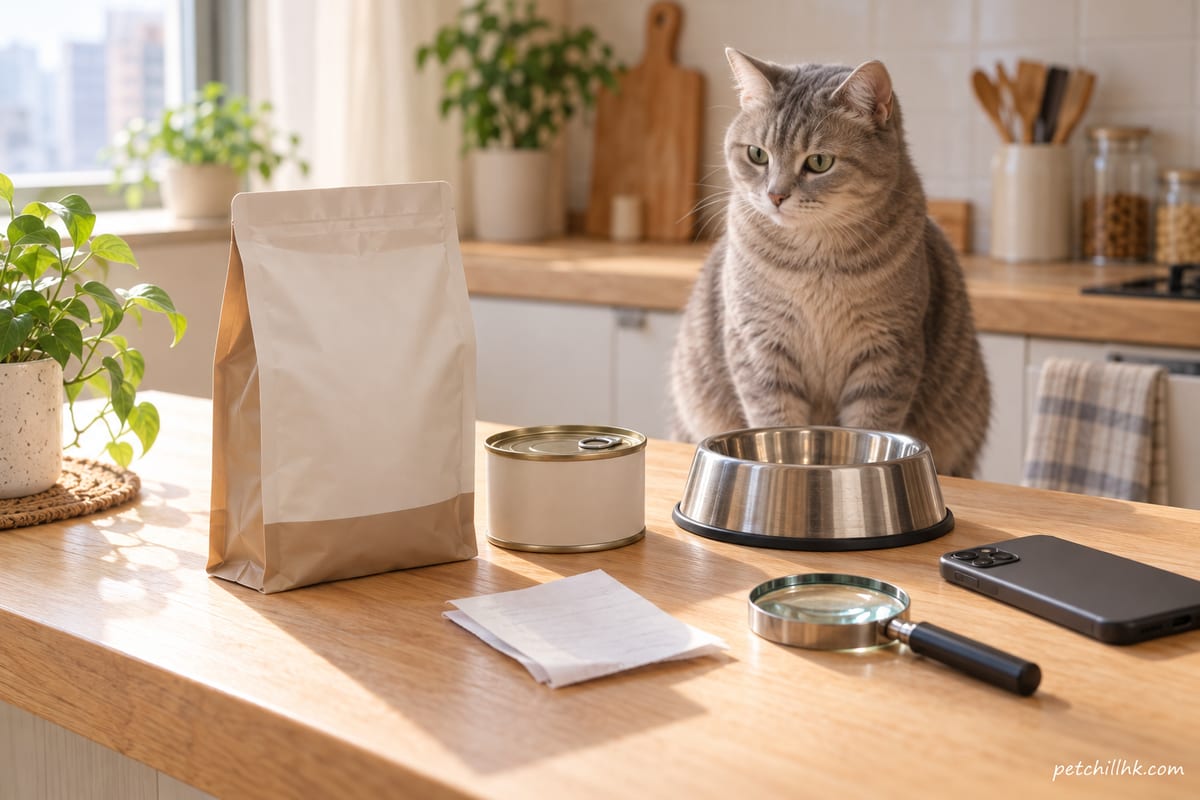
Quick answers
Checking pet brand authenticity and reviews doesn't require professional equipment. The most practical method is three steps: check the packaging, read the codes, verify the batch number. Look at the printing and seal, check the batch and expiry codes, then copy the batch number and verify with the brand or Hong Kong distributor. Here are the most important conclusions:
- A barcode prefix only indicates GS1 registration location, not production location. For example, Japan's registered prefixes are 45 to 49, but a product can be registered in Japan and produced elsewhere, so you cannot judge origin by prefix alone.
- Batch and expiry codes are the most critical traceability data. They correspond to production batches and are the basis for verifying source with brands and distributors, so don't throw away the packaging too quickly.
- Reviews need to be judged by sample size and feeding duration. One or two comments cannot represent a brand; use 20 as a rough threshold, and note whether feeding duration, pet age and weight are stated.
- All products in our store are sourced through genuine channels; prices and stock are subject to the live prices on our online store.
- Keep orders and receipts. Receipts, payment records and physical packaging are the only evidence that matches up for future enquiries or warranty claims.
- See a veterinarian first for health symptoms. Don't rely on online similar experiences to judge for yourself.
"How do I tell genuine CIAO cat puree?" "Is the K9 Natural I bought fake?" "Are HEROMAMA reviews really that good?" These three questions seem to be about three brands, but they are actually the same chain of judgement: how much of the information in your hands can be verified? Packaging printing, seals, batch numbers, expiry codes, barcode prefixes, net weight specifications and distributor details are the most objective clues on the product itself; as for "good" or "bad" reviews, you first need to distinguish sample size and feeding duration before they have reference value.
This article will break down this chain step by step: first clarify three easily confused concepts, then list the fields you can directly verify, then demonstrate how to check common Hong Kong brands (CIAO, K9 Natural, Vital Essentials, Catit Recipes, Meadowland, Lily's Kitchen), and finally teach you how to evaluate online reviews and the evidence actions before and after ordering. This article does not accuse any brand or retailer of selling fake goods; it only teaches you a repeatable verification method. If you want to see a nutritional framework for choosing food first, read Pet Nutrition Guide.
First distinguish three concepts: authorised channels, parallel imports, unknown sources
When discussing "fake goods" online, three different things are often conflated. Distinguishing them first will prevent misjudgement. The following comparison table helps you quickly locate which situation your product falls into:
| Concept | Definition | Common features | What you can do |
|---|---|---|---|
| Brand local authorised channel | Sourced from the brand's designated Hong Kong distributor or authorised dealer | Usually has Chinese and English labels listing ingredients, shelf life and importer details; batch number can be verified through official channels | Keep receipts; if in doubt, make a written enquiry to the distributor |
| Parallel import | Sourced through channels other than authorised, commonly known as grey goods | Packaging may only have origin-language labels; price and batch differences can be larger | Parallel imports are not fake goods, but verification and recourse must go back to the original purchase point |
| Unknown source goods | Supply chain, labels or batches cannot be traced | Codes covered by stickers, signs of re-sealing, seller refuses to provide receipts | Stop using, keep the complete physical product, and negotiate in writing first |
One point to emphasise: parallel import itself is not a problem; the problem is when the source cannot be traced. As long as a product has intact packaging, a verifiable batch, and normal storage conditions, it should not be treated as fake just because the import route is different; similarly, a product with a normal price does not mean you can skip checking. What is truly worth watching out for is when codes are covered, packaging versions consistently fail to match official specifications, sellers only accept private transfers and refuse to issue invoices, or there is no importer information on the packaging at all.
Our store's position is also clear: all products in our store are sourced through genuine channels; prices and stock are subject to the live prices on our online store. This article does not comment on or disparage any individual merchant, platform or veterinarian; it only teaches you how to verify using the objective data on the product itself.
5 fields you can check yourself
Spend two minutes checking each item before opening the bag; this can filter out most obviously problematic products. The following five fields apply to any brand's packaging:
| Field | Where to find it | What it represents | How to check |
|---|---|---|---|
| Packaging printing and seal | Front of pack, heat-seal line at bag opening, zipper area | Production process and packaging version | Sharp fonts, saturated colours, no spelling errors, intact seal with no signs of re-sticking |
| Batch number (Lot/Batch) | Bottom of pack, lower back or side fold | Production batch tracking code | Copy it and enquire with the brand or Hong Kong distributor; request a written reply |
| Expiry date (Best Before/Expiry) | Usually the same printed area as the batch number | Best before/expiry date | First confirm whether the format is day/month/year or month/year, as day and month positions may be swapped |
| Net weight and specification | Front of pack | Capacity, kibble size, life stage | Compare with official brand specifications; check for "same product but lighter" |
| Distributor and importer details | Back label | Local responsible party and contact route | Missing labels or no importer details at all are warning signs |
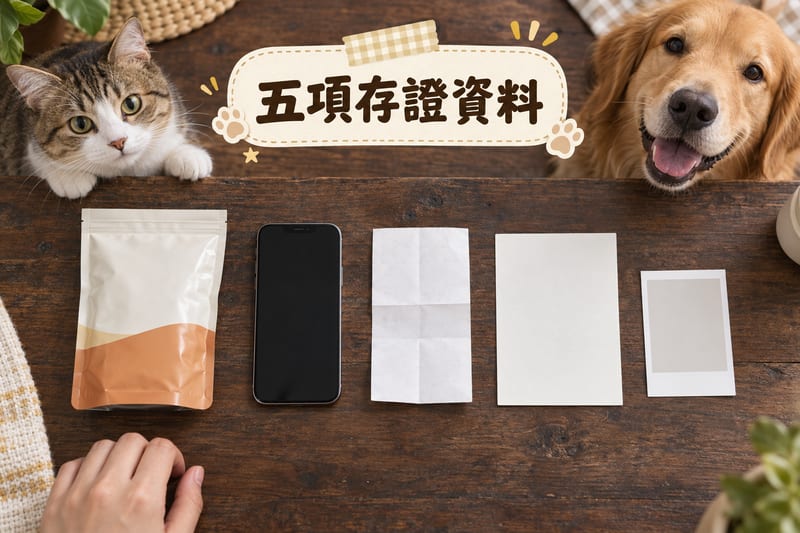
The most useful practice is to make an "unboxing record" immediately after receiving goods: photograph the front, back label, bottom codes and seal, and save them with the order page screenshot and receipt in the same album. This takes only two minutes, but when you later want to check batch numbers, compare remaining shelf life, or negotiate with customer service, you will have a complete timeline. Conversely, if you throw away the packaging and have no receipt from the start, even if the product itself is fine, you have no way to prove what you bought.
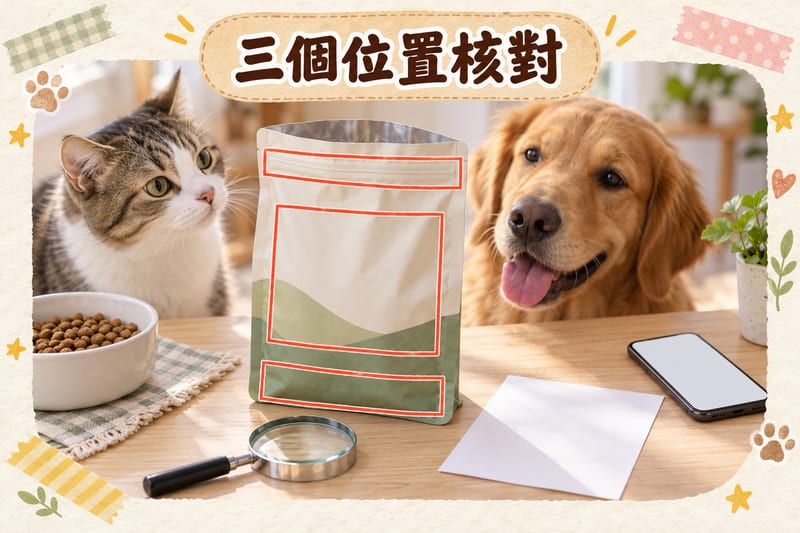
Barcode prefix, batch number and serial number: 3 most misunderstood points
Point 1: A barcode prefix only indicates registration location. GS1 barcode prefixes are allocated by local member organisations; for example, Japan's registered prefixes are 45 to 49. But the prefix only reflects where the barcode is registered, not the production location, nor the brand's nationality. A brand can register a barcode in Japan and produce elsewhere; this is completely legal and very common. So when you find the prefix does not match "the origin you assumed", you should not immediately treat it as fake; instead, look at the "origin" and "manufacturer" fields on the packaging—these are two different concepts; a brand can be registered in country A and manufactured in country B.
Point 2: A batch number is not necessarily an online-checkable serial number. A batch number is a batch tracking code; the same batch shares the same number; some brands' batch numbers are only understandable internally by the factory. So "can't find it online" does not mean fake, and "can't find an official enquiry portal" does not mean there is a problem. The correct approach is to send the batch number along with the full product name, package weight, purchase date and location to the brand's official channel or Hong Kong distributor. If you bought electronic pet supplies, note that the device serial number and warranty card are a separate system and should be kept separately.
Point 3: Third-party "code-checking websites" are not necessarily run by the brand. Check the domain, contact details and privacy policy of such tools, especially whether they ask for your full credit card number or a one-time password—normal verification processes do not require this. For returns or claims, only written replies from the brand and local distributor can serve as a basis. Similarly, forum posts, group reposts and generative tool answers should not be treated as final judgements.
Anti-counterfeit marks/codes and batch serial numbers: 6 practical steps for consumers
To confirm the authenticity and batch information of pet food or supplies, consumers do not need any professional equipment: the anti-counterfeit mark on the packaging, the batch number and an enquiry channel where you can reach a person are enough. The key is to distinguish between "batch codes" and "item serial numbers"—batch codes are shared by the same batch, while item serial numbers (one item one code) correspond to a single item; their enquiry methods and limitations differ. The following 6 steps are a repeatable process, from photographing to written follow-up, doable within 10 minutes.
| Mark type | Usual location | Corresponding data | How to verify | Key judgement |
|---|---|---|---|---|
| Batch number (Lot/Batch) | Bottom of pack, lower back, side fold | Production batch and line | Copy and verify via the enquiry portal on the packaging or brand customer service | Shared by the same batch; not finding it does not mean a problem |
| Expiry code | Usually same location as batch number | Best before date | First confirm format is day/month/year or month/year | Clear code, not covered by stickers |
| One item one code (QR/serial) | Seal label, can lid, bottle body | Unique serial number of a single product | Scan with phone; check the domain it points to and the displayed batch data | Usually can only be checked once; repeat checks show already queried |
| Anti-counterfeit scratch code | Back coating, under sticker | One-time verification code | Scratch off and enter at the designated portal on packaging | Before scratching, confirm coating is intact and not lifted |
| Device serial number (electronics) | Bottom, battery compartment, warranty card | Single product and warranty record | Match with warranty card and box label | Separate system from batch code; keep separately |
Step 1: Photograph all six sides of the packaging. Take one photo each of the front, back label, bottom code and seal, and save with the order page screenshot in the same album. These photos are the basis for all later enquiries; if missing, you will have to re-shoot.
Step 2: Copy the batch number and date code. Batch numbers usually consist of letters and numbers; copy each character, don't rely on memory; also write down the full product name, net weight and purchase date/location. Missing any of these five items will greatly reduce enquiry efficiency.
Step 3: Distinguish the type of code. First determine whether the code is a batch code shared by a batch or a one-item-one-code serial number. The former requires enquiring with the brand; the latter can be checked yourself according to packaging instructions. Getting the type wrong will lead to the misjudgement of "can't find it no matter how I check".
Step 4: Identify the enquiry portal. Only enquire via the website, QR code or brand customer service channel printed on the packaging. Check the domain and privacy policy of third-party code-checking websites; normal processes will not ask for your full credit card number or one-time password.
Step 5: Make a written enquiry and keep the timestamp. Send the batch number, full product name, net weight, purchase date and location for enquiry, and keep the conversation record. Written correspondence is the only matching basis for future returns or claims.
Step 6: Follow up within the time limit. You should normally receive a reply within three to five working days; if there is still no news after a week, follow up again and also raise it with the original purchase point—the order is seller first, brand second. If your pet has already eaten and shows vomiting, diarrhoea or skin reactions, stop feeding immediately and take the pet, packaging and remaining food to a veterinarian—this order must not be reversed. To see a nutritional and ingredient verification framework first, read Pet Nutrition Guide.
How to check CIAO and K9 Natural?
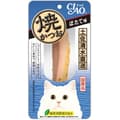
CIAO cat treats (Japan INABA). The CIAO series is common in Hong Kong and highly discussed, and is one of the most searched brands for "authenticity". To verify, the most effective way is not to compare packaging design by eye (packaging changes frequently; memory comparison easily misjudges), but to check item by item: 1. sharp printing with no spelling errors; 2. intact heat-seal line with no signs of re-sealing; 3. clear batch and expiry codes not covered by stickers; 4. complete Chinese and English labels listing ingredients and importer details. After copying the batch number, you can verify the batch source via the brand's official website customer service channel or Hong Kong authorised distributor. On price, note: small treat packs are not expensive per unit; if someone uses "ultra-low price" as the only selling point, or only accepts private transfers and refuses to provide receipts, the risk is relatively higher.
Here is the live price of the same product in our store for you to compare specifications and price:
CIAO Cat Treats Japan INABA Super Slave Spoon Tuna 14g×3P — HK$15
Prices and stock are subject to the live prices on our online store.
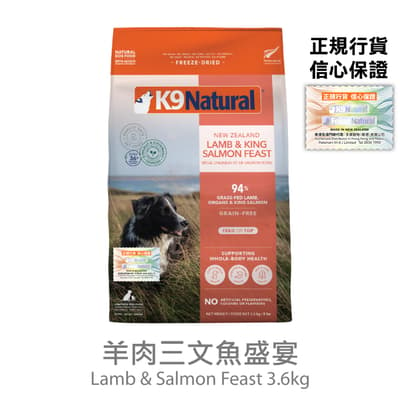
K9 Natural (dog food). K9 Natural is a freeze-dried and raw-type brand with a higher unit price, so concerns about "buying fake goods" are also more common. Checking K9 Natural has four key points: 1. the batch and expiry codes on the packaging should be clear and in the same position as the same product; 2. verify the net weight specification, e.g. whether the 3.6kg package size and printing proportions match official data; 3. check whether Chinese and English labels and distributor details are complete; 4. freeze-dried products are sensitive to storage conditions; after receiving, check the bag for damage or signs of moisture. Because the unit price is higher, confirm before ordering whether the seller can provide an official receipt—this is far more effective than pursuing later.
K9 Natural Dog Food Lamb & Salmon Feast 3.6kg — HK$1550
Prices and stock are subject to the live prices on our online store.
How to check Vital Essentials, Catit Recipes, Meadowland and Lily's Kitchen?
Vital Essentials (freeze-dried raw food). The key verification points for freeze-dried food are "packaging integrity" and "batch data". If freeze-dried products absorb moisture, they will clump, soften and change smell, so the first step after receiving is to check the seal and bag for damage. The verification method is the same as other brands: batch number, expiry date, net weight and importer details all present; copy the batch number and enquire with the brand or Hong Kong distributor. Mini patties are small-pack specifications; after opening, seal according to packaging instructions and use up quickly.
VITAL ESSENTIALS Cat Food Freeze-Dried Raw Mini Patties Pork 3.75oz — HK$74.2
Prices and stock are subject to the live prices on our online store.
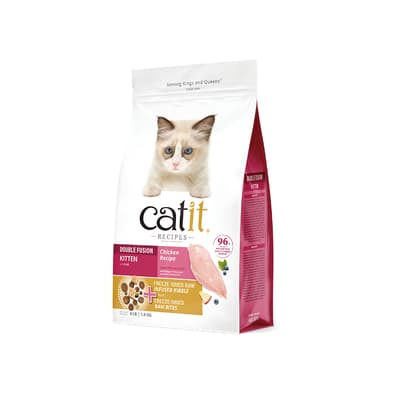
Catit Recipes Royal Series (kitten formula). Kitten formulas are life-stage specific; when verifying, besides the basic four items, pay special attention to one thing: whether the life stage stated on the packaging matches your pet's age. Kitten formulas generally state the applicable age in months and include a kitten feeding table; if you have an adult cat, you should not order based on the word "cat food" alone. If the life stage labelling on the packaging is unclear or consistently inconsistent with official data, clarify with the distributor rather than guessing. By the way, kitten feeding amounts should be adjusted by weight and age in months; weigh every two to four weeks; for related rhythm, see Kitten Care Hub.
Catit Recipes Royal Series Cat Food Kitten Formula 4lb — HK$270
Prices and stock are subject to the live prices on our online store.
Meadowland (venison formula). People online sometimes say a certain food "improves coat colour after eating"; such claims are individual differences and should not be treated as product efficacy. The verification method is the same as other brands: check whether the back nutritional analysis has a complete nutritional statement, what animal protein sources are in the first few ingredients, net weight and price per kilogram, then compare batch number and importer details. If your pet's fur continues to worsen, has patchy hair loss or itchy skin, the correct approach is to take them to a veterinarian to investigate the cause, not to rely on changing food alone; you can learn more in Cat Skin Health Hub.
Meadowland Cat Food Complete Balanced Series Venison 1.8kg — HK$278
Prices and stock are subject to the live prices on our online store.
Lily's Kitchen (dog complete wet food). Canned products are checked the same as dry food: can printing, batch and expiry codes, net weight, importer details. One addition: whether a can is labelled "complete" or "complementary" most affects purchase decisions—those with a complete nutritional statement can be used as daily staple, those without should be treated as treats and counted in daily calories; always subject to the packaging label. To compare different product forms in depth, read Pet Supplies Buying Guide.
LILY'S KITCHEN Dog Complete Wet Food Organic Grain-Free Chicken & Salmon 150g — HK$19
Prices and stock are subject to the live prices on our online store.
How to read brand reviews? Look at sample size and feeding duration first
"Are HEROMAMA reviews really that good?" "Which AIME Kitchen flavour do most people recommend?" "Can Meadowland cat food really improve fur?" Online answers to such questions are usually a bunch of personal feelings. To judge whether they have reference value, first distinguish three levels, then filter with four indicators:
| Review level | Common examples | Reference value | How to check |
|---|---|---|---|
| Official specifications | Ingredient list, nutritional analysis, origin, net weight, life stage | High; can be checked item by item, but still manufacturer self-declaration | Look at front and back labels, then compare with official brand data |
| Owner perception | "Coat improved after eating", "Refused to eat after two days" | Medium; genuine but subjective, affected by individual differences | Look at sample size, feeding duration, pet age and weight |
| Media or influencer roundup | Rankings, unboxing videos, comparison articles | Low to medium; may involve sponsorship or affiliate links | Check whether sponsorship is disclosed and whether verifiable numbers are cited |
The four indicators are:
- Whether there is a purchase record or real-name tag. E-commerce "verified purchase" tags and traceable account history are far more reliable than a completely anonymous comment.
- Sample size. One or two reviews can be caused by anything, including logistics, packaging damage, or temporary stomach upset. Use 20 as a rough threshold; fewer than this should not be treated as a "common problem".
- Whether feeding duration and pet background are stated. Quality reviews usually say "fed for 3 months", "8-year-old cat, 4.5 kg"; reviews that only say "bad after eating" without time, age or weight have insufficient information to compare with your situation.
- Whether there are specific specification numbers. "Protein 38%, net weight 1.5kg, fed for two months" is a verifiable statement; "quality is poor" is emotion, not data.
Besides the four indicators, watch for two reverse signals: the same text appearing repeatedly on multiple platforms usually indicates copying or promotion; reviews concentrated in a short period may be manipulation. Conversely, if you see the same product praised and criticised for different reasons, it looks more like a real distribution, because palatability and digestive reactions are the two most individually variable factors—with the same batch, some cats adapt in three days, some take ten, some refuse completely; this does not mean the product is faulty, only that it doesn't suit that cat.
The practical approach: buy the smallest size, transition over 7 days (new food 25% for the first two days, 50% on days 3-4, 75% on days 5-6, 100% on day 7), record stool shape and appetite daily; if stool softens, pause for two days then continue. This article does not cite any unverified individual reviews, nor recommend flavours or score any brand. If your pet shows persistent vomiting, diarrhoea or skin symptoms, the correct approach is to see a veterinarian; you can refer to Cat Digestive Health Hub and Cat Allergy Guide to understand common causes, but do not diagnose yourself based on online similar experiences, and do not add or remove any supplements on your own.
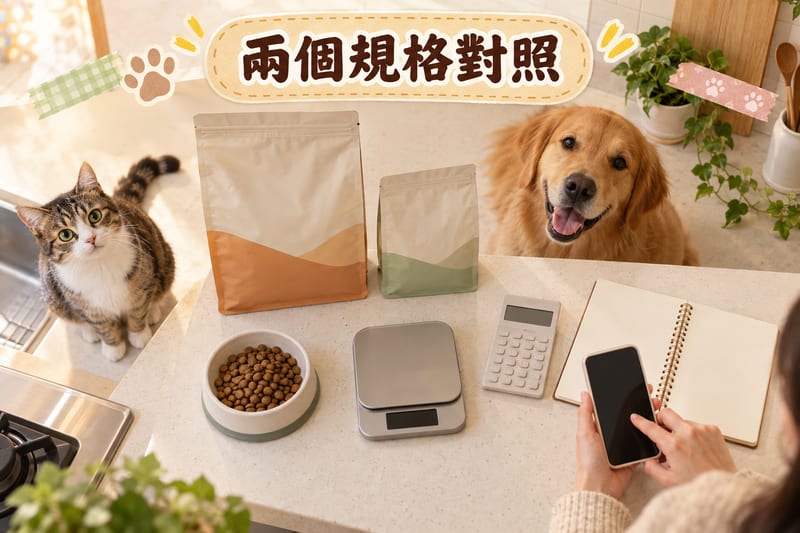
Before and after ordering: receipts, batch evidence and follow-up in 5 steps
If you suspect a product has a problem, the order of handling is important. Follow these five steps to preserve your bargaining space and traceability:
- Check specifications before ordering. Calculate price per kilogram using "price ÷ net weight × 1000", then compare with the net weight and life stage on the packaging. Comparing specifications at the same price point is meaningful, not comparing brand fame. To learn how to combine discounts and points for better value, read PetChill Discount Code and Points Guide.
- Record immediately upon receipt. Photograph the front, back label, bottom batch and date codes, and seal, and save with the order page screenshot. Don't throw away the box or bag as soon as you receive it.
- Keep receipts and packaging. Back up electronic receipts; don't keep them on a single device only; remaining food can be sealed in a zip bag, but the original packaging bag must be kept because the batch and date codes are on it.
- Make a written enquiry first if in doubt. Raise it with the seller first and keep the timestamp, and send the batch number, full product name, package weight, purchase date and location to the brand or Hong Kong distributor for verification. If not handled reasonably, you can seek help from the Consumer Council; if it involves false trade descriptions or infringing goods, you can report to Hong Kong Customs.
- See a veterinarian first for symptoms. If your pet has already eaten and shows vomiting, diarrhoea, lethargy or skin reactions, stop feeding immediately and take the pet, packaging and remaining food to a veterinarian; wait for the assessment result before dealing with the product issue.
As for return details, each merchant's arrangements differ; the safest is to read the terms clearly before ordering and keep complete order and conversation records. The same applies to our store: all products in our store are sourced through genuine channels; prices and stock are subject to the live prices on our online store; if you have batch questions about products bought at PetChill, contact customer service with your order number and packaging photos, and we will help you verify the relevant batch information. For more methods related to brand source verification, read How to tell genuine from grey-market Hong Kong pet food? and How to read pet food brand reviews?.
Further reading
- How to tell genuine from grey-market Hong Kong pet food? Hills, Royal Canin batch and expiry date checking guide
- How to read pet food brand reviews? Kit Cat, AIME, Nutriplan, Monster Tribe practical testing angles and buying framework
- Pet Supplies Buying Guide | Specifications and prices to check before ordering in Hong Kong
- Pet Nutrition Guide | Ingredients, portions, food transition, weight management (2026)
- PetChill Discount Code and Points Guide | How to use points and discounts for better value
- Pet Daily Care Guide | Brushing, bathing, nail clipping, ear and eye cleaning schedule
Veterinary warning: In emergencies, contact a veterinarian immediately; this article is for reference only and cannot replace veterinary diagnosis. Information checked as of 2026-10-13Source: PetChill editorial team
 K9 Natural full guide →
 Feline Natural full guide →
 CIAO full guide →