Quick Answers
- The most common steroid-related liver change in dogs is vacuolar hepatopathy: glycogen accumulates in liver cells, the liver enlarges, and serum alkaline phosphatase (ALP) can rise well above the normal upper limit, but alanine transaminase (ALT) usually rises only mildly—and this change is often reversible.
- Veterinary literature indicates that in diabetic dogs, 40% to 80% of serum ALP comes from the 'steroid-induced isoenzyme'—so a high ALP does not mean liver cells are dying.
- Cats lack this steroid-induced ALP isoenzyme, so a rise in ALP in a cat is more likely to indicate a genuine liver or biliary problem and should not be dismissed as a 'normal drug reaction'.
- For the kidneys, the most common immediate effect of steroids is polyuria and polydipsia; studies confirm that exogenous steroids can raise blood pressure and increase proteinuria in dogs, but other studies have found that in dogs without obvious kidney disease, the urine protein/creatinine ratio (UPC) did not show a clinically relevant increase after treatment. So 'steroids always damage the kidneys' is not accurate.
- Cats are generally more tolerant of steroid side effects, but steroid-induced diabetes is a real risk; blood and urine glucose should be checked before and during treatment.
- Long-term use suppresses the hypothalamic-pituitary-adrenal (HPA) axis, and sudden withdrawal can trigger an adrenal crisis. Tapering must be arranged by a veterinarian and can last from several weeks to several months.
- Basic monitoring consists of four items: blood tests, urine tests (including UPC and urine specific gravity), blood pressure measurement, and weighing. Do a baseline test before starting medication, then recheck at intervals specified by the veterinarian.
The most honest answer to 'What damage can long-term steroid use cause to a pet's liver and kidney function?' has two layers: the liver and kidneys do show measurable changes, but most are 'metabolic responses' rather than 'organ damage', and they are mainly related to dose, duration, and whether the animal has chronic disease—not to a single pill.
At the same time, the other side must be made clear: steroids are not a drug you can simply skip. Immune-mediated diseases, severe allergies, inflammatory bowel disease, feline asthma, and some tumours can worsen faster without steroids. So the real question is not 'do they harm the liver and kidneys?' but how to balance risk and benefit, what dose to use, for how long, and how to monitor. Below, we break down the differences between dogs and cats, how to interpret a rise in ALP, the relationship with the kidneys and blood pressure, high-risk situations, and a monitoring checklist you can follow.
What Are Steroids? Why Vets Prescribe Them and Why They May Be Needed for Months
When veterinarians say 'steroids', they usually mean glucocorticoids; common drugs include prednisolone, prednisone, dexamethasone, and methylprednisolone. They work by suppressing inflammation and immune responses, so they are used for: atopic dermatitis and severe allergies, immune-mediated haemolytic anaemia and thrombocytopenia, inflammatory bowel disease, feline asthma, some lymphoma chemotherapy protocols, and emergency treatment of hypoadrenocorticism.
Two levels must be distinguished: anti-inflammatory doses and immunosuppressive doses are different things. The same drug at an anti-inflammatory dose may be tapered over a few weeks, while an immunosuppressive dose may be needed for months or longer—and long courses are exactly when liver and kidney changes are most likely. So the statement 'steroids harm the liver and kidneys' only makes sense when tied to 'how much and for how long'.
One detail directly related to the liver is worth knowing: prednisone is a prodrug that must be converted by the liver to prednisolone to become active. Cats convert it much less efficiently, so veterinarians usually prescribe prednisolone rather than prednisone; for the same reason, animals with liver problems are also more likely to be given prednisolone directly. This is an example of how 'liver status affects drug choice', not of steroids damaging the liver.
Finally, remember: steroids are prescription drugs. When to start, how much, for how long, when to taper, and when to stop are all decided by the veterinarian based on the condition. This article only explains principles and monitoring points and does not, and should not, provide any dosing advice.
Liver Burden: A Rise in ALP Is Mostly a 'Liver Response', Not Necessarily Liver Damage
The most typical liver change in dogs on long-term steroids is vacuolar hepatopathy (VH). Pathologically, liver cells accumulate large amounts of glycogen (sometimes along with lipid droplets), causing them to swell and the liver to enlarge. According to the Merck Veterinary Manual, this condition is commonly seen with steroid use, naturally occurring hyperadrenocorticism (Cushing's syndrome), and can also be caused by endogenous cortisol rises due to chronic stress, inflammation, or tumours.
The most misunderstood point is: a rise in ALP does not mean liver cells are dying. Dogs are particularly sensitive to steroids and induce a 'steroid ALP isoenzyme', causing serum ALP to rise markedly; at the same time, ALT usually rises only mildly, and GGT may or may not rise. Veterinary literature even indicates that in diabetic dogs, 40% to 80% of total ALP comes from this steroid isoenzyme. So seeing a high ALP and immediately thinking 'the liver is ruined' is a common but inaccurate inference.
| Liver-related parameter | Common steroid change | Roughly what it means | When to investigate seriously |
|---|---|---|---|
| Alkaline phosphatase (ALP) | Marked rise common in dogs; rare in cats | Mostly steroid isoenzyme induction, a metabolic response | If jaundice, lethargy, or abdominal enlargement |
| Alanine transaminase (ALT) | Usually only mildly elevated | Liver cells stimulated, not massive necrosis | Marked or persistent rise |
| GGT | May or may not rise | Closer to biliary changes | Both ALP and GGT high |
| Albumin, bilirubin, coagulation | Usually normal | Indicates actual liver function not significantly impaired | Any abnormality needs follow-up |
| Blood glucose | May rise (especially in cats) | Steroid-induced insulin resistance | If a cat has high blood glucose, check urine glucose |
| Abdominal ultrasound | Liver enlargement, hypoechoic nodules | 'Swiss cheese' appearance | Needs to be distinguished from tumours, fibrosis, nodular hyperplasia |
One extremely important point: the changes above are mostly reversible. When the dose is reduced or the drug stopped, glycogen accumulation gradually resolves and ALP falls over time. Conversely, if imaging or biopsy shows true fibrosis or cirrhosis, that is a different matter requiring further investigation of the underlying cause, not simply blaming steroids.
Also be aware of an easily overlooked source: some herbal or 'natural' supplements may contain ingredients with steroid-like effects or that stimulate ACTH. The Merck Veterinary Manual explicitly reminds us to review such products. So owners adding supplements on their own can make it harder for the veterinarian to see the true source of liver changes.
Finally, a practical nutritional point that many owners get wrong: dogs with steroid-related vacuolar hepatopathy should not be put on protein restriction on their own. The Merck Veterinary Manual is clear—unless there are specific indications (such as hepatic encephalopathy or urate crystalluria), a protein-restricted diet is not recommended, because protein restriction may actually worsen this liver lesion. The situation that truly requires dietary adjustment is concurrent hyperlipidaemia, where a veterinarian may consider a fat-restricted diet (less than 2 g fat per 100 kcal). In other words, 'liver problem means low-protein food' is an oversimplification; the actual approach requires a veterinarian to find the cause through investigations. To learn more about how to layer nutrition for cats and dogs, see Pet Nutrition Guide.
Kidney Burden: Polyuria, Polydipsia, Blood Pressure, and Proteinuria
When it comes to steroids and the kidneys, owners usually notice not blood test numbers but the water bowl emptying quickly and larger urine clumps in the litter tray. This 'polyuria and polydipsia' is the most typical immediate effect of steroids, caused by several mechanisms together: increased glomerular filtration rate, reduced urine concentrating ability, and osmotic diuresis from high blood glucose. It is generally more obvious in dogs than in cats.
To be clear: polyuria and polydipsia themselves do not equal kidney failure. Some owners see their pet drinking excessively and assume kidney failure, while others think 'drinking more water is healthy' and ignore it. The correct approach is to record daily water intake and urine output and give the numbers to the veterinarian at rechecks—the vet will compare daily water intake (in ml/kg) with the normal reference range and investigate further if clearly above.
Blood pressure is another line to watch. Studies (Journal of Veterinary Internal Medicine) indicate that exogenous steroids can raise systemic blood pressure and increase urinary protein excretion in dogs, but whether this fully reverses after stopping is not settled. Chronically high blood pressure itself damages the kidneys, so animals with pre-existing hypertension or chronic kidney disease have a clearly higher risk with steroids.
But the other side must also be stated to avoid one-sided panic: a recent study of dogs with inflammatory protein-losing enteropathy (iPLE) found that in dogs without obvious kidney disease, the urine protein/creatinine ratio (UPC) did not show a clinically relevant increase during steroid treatment. This reminds us that steroid effects on the kidneys are not 'expected' but highly dependent on the pre-existing kidney status. Animals with existing proteinuria or chronic kidney disease staging are the ones who truly need caution.
| Kidney/urinary effect | Main mechanism | Species difference | How owners and vets follow up |
|---|---|---|---|
| Polyuria and polydipsia | Increased filtration rate, reduced concentrating ability, osmotic diuresis | More common in dogs | Record daily water intake and urine output |
| Increased blood pressure | Changes in vascular reactivity, sodium and water retention | Supported by studies in dogs | Measure blood pressure regularly; higher risk if already hypertensive |
| Increased proteinuria | Glomerular hypertension and hyperfiltration | Higher risk if pre-existing kidney disease | Check UPC and compare with baseline |
| Urinary tract infection | Immunosuppression allows infection to spread | Both dogs and cats | Urine test plus urine culture; don't rely on surface symptoms alone |
| Electrolyte loss | Polyuria carries away potassium and other electrolytes | Both dogs and cats | Blood tests to follow potassium and other electrolytes |
| Hyperglycaemia and diabetes | Insulin resistance | Especially obvious in cats | Check blood and urine glucose; pay special attention in cats |
Animals with chronic kidney disease already need to manage phosphorus restriction, protein amount, and water intake; if steroids are also needed, the plan becomes much more complex. These situations should not be judged on your own from online information; a veterinarian should be involved. To learn about how kidney disease is staged and managed, see Cat Chronic Kidney Disease Care Guide and Urinary System and Kidney Health.

Dogs and Cats Have Different Risks: Same Drug, Different Focus
This section is the most practical part of the article, because many owners apply dog experiences to cats and vice versa, leading to wrong judgments. Cats are generally more tolerant of steroid adverse effects (veterinary literature generally describes cats as more 'resistant' to the common steroid side effects seen in humans and dogs, with a lower chance of Cushingoid signs at the same dose), but this 'tolerance' has two important exceptions: diabetes and the interpretation of ALP.
| Comparison item | Dog | Cat |
|---|---|---|
| Steroid-induced ALP isoenzyme | Obvious; ALP often rises markedly | Rare; cats basically lack this response |
| Interpretation of raised ALP | Mostly a metabolic response | More likely a genuine liver/biliary problem |
| Polyuria and polydipsia | Common and obvious | Less consistent |
| Diabetes risk | Yes, but relatively lower | Higher; steroid-induced diabetes is documented in the literature |
| Drug choice | Prednisone or prednisolone both acceptable | Usually prednisolone (cats convert prednisone poorly) |
| Cushingoid appearance (pot belly, hair loss, thin skin) | More common | Less common |
| What to watch most | Blood pressure, liver enzymes, polyuria/polydipsia | Blood glucose, urine glucose, the true cause of abnormal ALP |
From this table, two sentences summarise it: for dogs, watch 'how big the response is'; for cats, watch 'whether the response indicates another disease'. If a dog has high ALP but normal appetite and energy, it usually means continued monitoring rather than panic; if a cat has high ALP, it cannot be dismissed as a drug side effect and the liver and biliary system need serious investigation. As for diabetes risk in cats, steroids cause insulin resistance, and cats that are already obese or have high blood glucose are at higher risk, so checking blood glucose before starting treatment is basic practice.
Which Pets Are at Particularly High Risk: What to Tell the Vet Before Starting
With the same drug and the same dose, risks can vary greatly between animals. The following situations are categories where you must proactively inform the vet before starting treatment—not to say the drug cannot be used, but that the vet needs to change monitoring intensity, dosing strategy, or choose another treatment route:
- Pre-existing liver disease: chronic hepatitis, cirrhosis, gallbladder mucocele, liver tumours. These animals already have reduced liver reserve, and the added metabolic burden of steroids requires extra caution.
- Pre-existing chronic kidney disease (any IRIS stage) or elevated urine protein: blood pressure and proteinuria may worsen after starting, so monitoring should be more frequent.
- Pre-existing diabetes or high blood glucose: steroids worsen insulin resistance, especially in cats.
- Pre-existing heart disease: steroids cause sodium and water retention, affecting cardiac workload.
- Pre-existing hypertension: steroids may push blood pressure higher, and hypertension in turn damages the kidneys and eyes.
- Current uncontrolled infection: skin infections, urinary tract infections, periodontal disease, etc. Immunosuppression can make infections harder to clear or cause them to spread, so infections usually need to be addressed first.
- Corneal ulcers or glaucoma: some steroid treatments can worsen eye pressure and corneal problems.
- Young kittens and puppies, pregnant or lactating animals: medication considerations during growth and development are completely different.
- Concurrent other medications: especially non-steroidal anti-inflammatory drugs (NSAIDs), which combined with steroids increase the risk of gastrointestinal ulcers and kidney problems; some antifungal drugs also affect steroid metabolism.
- Previous long-term or repeated steroid use: the adrenal axis may already be suppressed, so even a short course now should be adjusted according to previous medication history.
When communicating with the vet, the most effective approach is to bring all the information: previous blood and urine test reports, a list of all current medications and supplements (including 'natural' products), weight changes over the past six months, and your observations of water intake and urine output. This information directly affects the vet's decision on which steroid to use, for how long, and when to recheck.
How Vets Monitor and How Owners Can Help: Schedule and Practical Checklist
This section is something you can follow. The whole process starts before medication, not after.
1. Do baseline tests before starting medication. This step cannot be skipped, because without baseline values, later changes cannot be compared. Basic items include: complete blood count, biochemistry (ALP, ALT, GGT, bilirubin, albumin, creatinine, urea, SDMA, electrolytes), urinalysis (including urine specific gravity and urine protein/creatinine ratio UPC), blood pressure measurement, and weighing. Cats usually also have blood glucose checked.
2. Let the vet set the dose, duration, and tapering plan. Ask three things at the start: whether the goal is anti-inflammatory or immunosuppressive, how long treatment is expected, and how tapering will be arranged. Having an 'exit plan' from the beginning is much safer than thinking about tapering only at the end.
3. Recheck at intervals. A common approach is a first recheck 2 to 4 weeks after starting, then lengthening intervals according to condition and stability (e.g., every 3 to 6 months); the actual intervals and items are decided by the vet for each individual case and should not be set on your own.
4. Record daily and bring the numbers to rechecks. Water intake, urine output, appetite, weight, and energy level—write them in a notebook or record on your phone. With enough data, the vet does not have to rely on vague descriptions like 'seems to drink more'.
5. Recheck immediately if warning signs appear. A sudden large increase or decrease in water intake, persistent vomiting, yellow gums or whites of the eyes, marked lethargy, obvious abdominal enlargement, rapid breathing, seizures, or unsteadiness—none of these should wait for the next appointment.
6. Always follow the plan and taper gradually. This is the most important safety rule in the article. Long-term use suppresses the adrenal axis, and sudden withdrawal can trigger an adrenal crisis (signs include vomiting, weakness, and even shock). Tapering must be done gradually as arranged by the vet and can last from several weeks to several months; if the condition flares during tapering, adjustments may be needed.
Owners can follow this checklist day to day:
- The water bowl should be large enough and fresh water always available; do not restrict water because of polyuria—restriction only increases the risk of dehydration.
- Do not add, reduce, or stop medication on your own, even if blood test numbers improve.
- Do not give human anti-inflammatory painkillers or other family members' prescription drugs.
- Bring the medicine box, bag, and all supplements to rechecks so the vet can cross-check.
- Do not add any herbal or 'natural' supplements without asking the vet first.
- If your pet also has chronic disease (kidney disease, diabetes, heart disease), mention it at every recheck.
During long-term treatment, some pets develop changes in appetite, weight gain, or need improved food palatability to help with medication. Below are general food options available at PetChill's online store for reference; none of the three is a liver or kidney prescription diet and cannot replace a vet-specified formula or prescription diet. Check with your vet before buying:
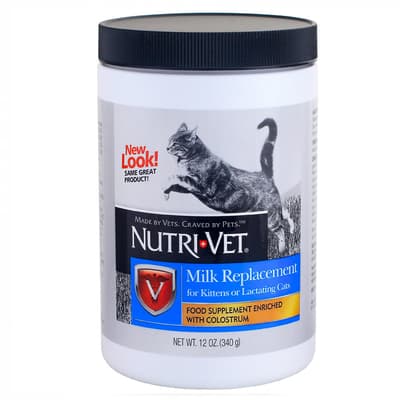
- Nutrivet Cat Milk Powder with Colostrum 12oz (NV99878) — HK$180 (currently out of stock, available for pre-order)
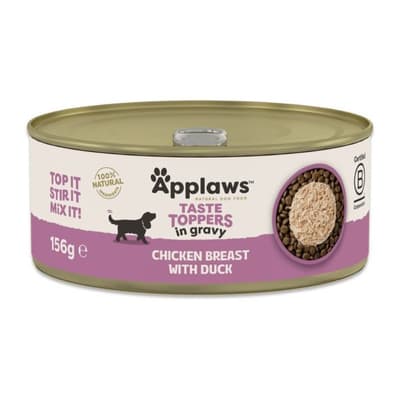
- Applaws Dog Can Taste Toppers Shredded Chicken & Duck in Broth 156g (3411) — HK$19 (currently out of stock, available for pre-order)
- Absolute Holistic Grain-Free Complete Dry Dog Food Air-Dried Meat Slices Chicken & Hoki 200g (AD-9490) — HK$98
Prices and stock are subject to the online store's current listed price.
To clarify the positioning of the three products above: Nutrivet Cat Milk Powder is an option for kittens or when extra calorie supplementation is needed, not a daily staple for adult cats; Applaws Taste Toppers is a shredded meat in broth can for meal topping, highly palatable but not a complete nutritional staple; Absolute Holistic Air-Dried Meat Slices is a general all-life-stage staple option. None of the three is related to steroids, liver or kidney treatment, and none will improve liver or kidney function numbers. Animals that truly need a prescription diet (e.g., confirmed chronic kidney disease requiring phosphorus and protein management) must use a vet-specified formula and cannot be switched to general food. For principles on choosing prescription kidney formulas, see Low-Phosphorus Kidney Diet Guide.

Further Reading
- Pet Nutrition Guide: Ingredient Lists, Calories, and How to Choose Prescription Diets (2026)
- Cat Chronic Kidney Disease Care Guide: Staging, Diet, and Daily Monitoring
- Urinary System and Kidney Health: Water, Urination, and Common Problems
- Low-Phosphorus Kidney Diet Guide: Dry Matter Conversion and Choosing Prescription Food
In an emergency, contact a veterinarian immediately; this article is for reference only and cannot replace veterinary diagnosis.
Information checked as of 2026-10-12Source: PetChill Editorial Team
 Fuji One full guide →