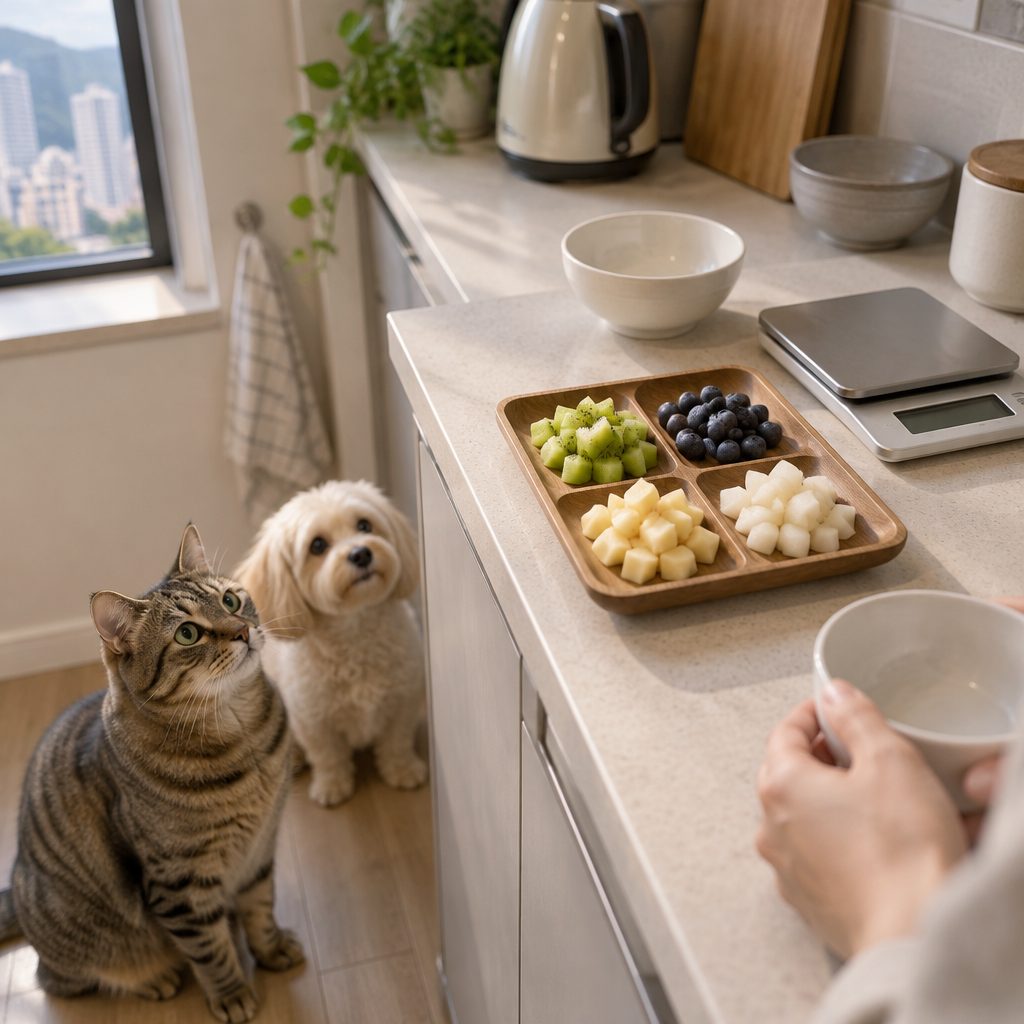
The key to feeding cats and dogs fruit and vegetables safely is "peel, core, chop small, plain, small amounts": the flesh of blueberries, kiwi, apple and pear can be fed in small amounts, but grapes and raisins, citrus peel and essential oils, avocado stones, and high-sugar fruits such as durian and longan should not be fed.
Quick answers
- Fruit and vegetables are treats only and cannot replace complete food; treats in total should generally not exceed 10% of daily calories.
- The real key is not "which fruit" but "which part": the flesh can usually be fed in small amounts, while the skin, core, seeds, leaves, stems and stalk must always be cut away or avoided entirely.
- Never feed: grapes and raisins (including raisins and grape juice), citrus peel and essential oils, avocado (stone, skin, leaves), and high-sugar or high-potassium tropical fruits such as durian, longan, lychee and coconut water.
- Can be fed in small amounts (peeled, cored, chopped small, plain and unsweetened): blueberries, kiwi, apple, pear, papaya, cantaloupe, watermelon, steamed pumpkin.
- Special groups need extra caution: senior cats, cats with chronic kidney disease and cats with heart disease should avoid high-potassium fruits and coconut water; diabetic, obese or pancreatitis-prone pets should avoid high-sugar and high-fat fruits.
- After accidental ingestion there is only one principle: do not induce vomiting yourself, contact the veterinarian immediately, and have the packaging, approximate amount and time of ingestion ready.
Key points
- For the same fruit, the risk of flesh versus skin and core can differ enormously: apple seeds, cherry stones, mango stones, papaya seeds and pear seeds must never be chewed or swallowed by pets.
- Sugar is a separate risk unrelated to toxicity. Durian, longan, lychee, banana, grapes, watermelon and coconut water are all unsuitable for diabetic or obese pets; "non-toxic" does not mean safe to feed.
- Potassium is a hidden trap for pets with chronic disease: kiwi, banana and coconut water are relatively high in potassium, and potassium intake for cats with kidney or heart disease must be decided by the veterinarian.
- Blueberry antioxidants are often hyped, but there is currently no reliable clinical evidence that feeding blueberries alone significantly boosts a cat's enzyme activity or slows ageing, so they should not be used as a supplement.
- "It ate some and was fine" does not mean it is safe, because reactions to grapes and raisins vary greatly between individuals and symptoms may appear one to several days later.
- The safest approach is to reward with pet-specific treats and complete wet food rather than human fruit.
What nutritional value does kiwi offer dogs? What are the risks for senior cats?
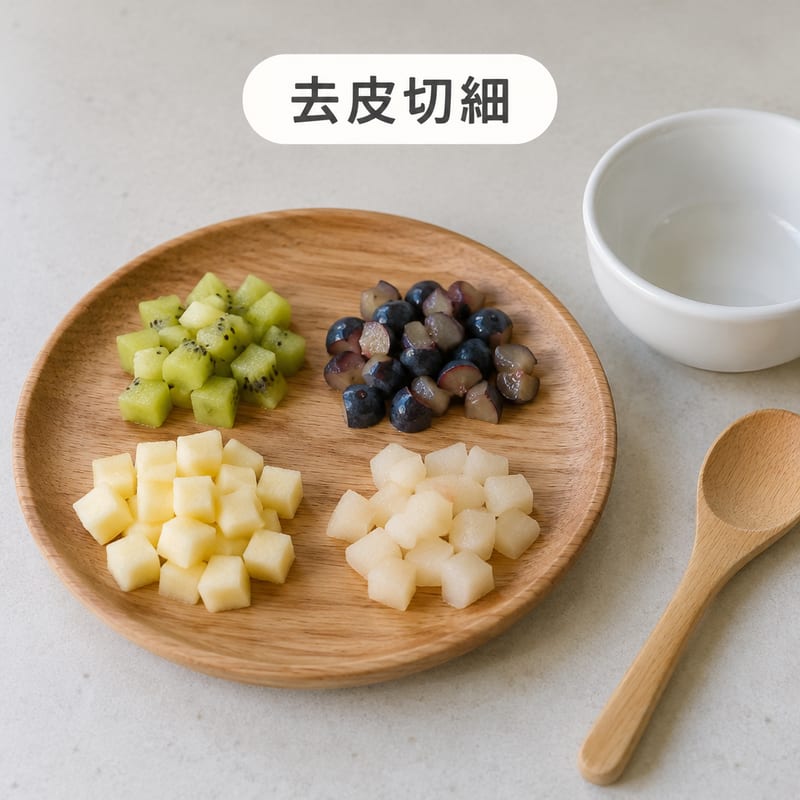
Kiwi's nutritional value for dogs comes mainly from the peeled flesh: vitamin C, dietary fibre, vitamin K, folate and potassium, with low fat and a sweet-sour taste, so a small amount is an acceptable treat for dogs of normal weight. But one thing must be clear: these nutrients are not rare for dogs, and a balanced complete diet already supplies enough, so kiwi's role is "treat", not "supplement". If an owner wants to add fibre with fruit, a small amount of peeled flesh is enough; there is no need to feed it daily.
Three things to watch when feeding dogs kiwi: first, the fuzzy skin irritates the mouth and skin and may cause redness or itching, so it must be peeled; second, kiwi contains enzymes and organic acids, and feeding a cut piece directly may sting the mouth, cause drooling or stomach upset, so cut it into nail-sized pieces and feed one at a time rather than a large chunk; third, kiwi is relatively high in potassium, so if the dog also has chronic kidney disease, heart disease or needs potassium restriction, always ask the veterinarian first.
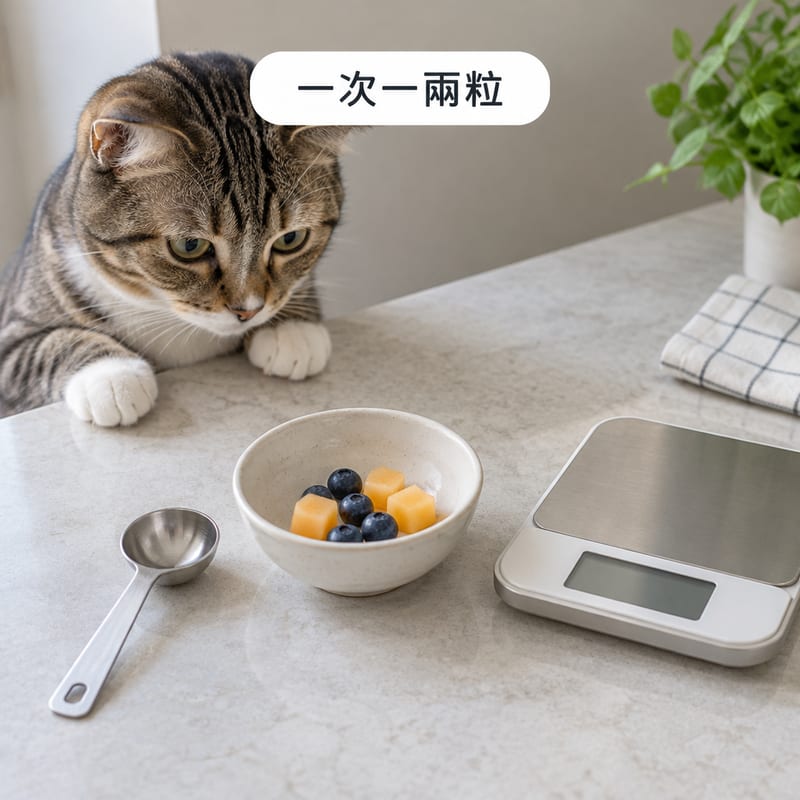
Senior cats eating kiwi depends on two situations. If the cat is healthy, at stable weight and the veterinarian has set no restrictions, one or two small peeled, chopped pieces are generally fine as an occasional taste experience. But if the senior cat has been diagnosed with chronic kidney disease, heart disease, diabetes or a sensitive gut, the "benefits" are in fact very limited — cats are meat-eating animals, fruit provides no essential nutrients, and the risks (potassium, acidity, blood sugar swings) are more real, so the safest option is not to feed it, or to feed only as the veterinarian directs. Judgement cannot rely on visual observation; it must be based on medical history and blood test results.
Versions to avoid: kiwi juice (usually sweetened), dried kiwi (concentrated sugar, small pieces easy to overfeed), smoothies and desserts containing kiwi, jam and canned products. The sugar and additive risks of these processed versions far exceed those of fresh flesh itself.
How does the sugar content of blueberries compare with common fruits? Are all senior cats suitable for eating pear?
Blueberries' sugar compared with common fruits: blueberries are relatively low in sugar, noticeably lower than banana, mango, grapes, durian, longan and lychee, so they often appear on pet treat lists. But two reminders: first, "low sugar" does not mean "low calorie burden" — pets are small, and a few blueberries already use up a fair share of the day's treat allowance, so portions must still be adjusted by body weight; second, dried blueberries, blueberry jam and blueberry yoghurt drinks are usually sweetened and flavoured, and some contain sweeteners harmful to dogs, so these processed products must never be fed.
Blueberries' sugar position can be seen in the following comparison:
| Sugar level | Examples | Pets most affected | Feeding principle |
|---|---|---|---|
| Relatively low | Blueberries, strawberries, kiwi, papaya | Pets with chronic disease must still count them in daily calories | Peel and chop small, one or two small pieces at a time |
| Medium | Apple, pear, cantaloupe, mango | Diabetes, obesity, history of pancreatitis | Peel and core, cut small, do not feed daily |
| Higher | Banana, grapes, watermelon, durian, longan, lychee | Diabetes, obesity, senior cats | Best not fed; even with veterinary approval, only tiny amounts |
| Drinks and processed products | Coconut water, juice, dried fruit, jam, desserts | All pets, especially cats with kidney or heart disease | Never feed |
Blueberry antioxidant claims should be viewed rationally. Blueberries contain antioxidants such as anthocyanins, and much marketing jumps straight to "anti-ageing" and "immune boosting", but there is currently no reliable clinical evidence that feeding blueberries alone significantly boosts the activity of a particular enzyme (such as SOD) in cats. Most relevant studies were done in laboratories or on humans and cannot be applied directly to cats and dogs; nutritionally, what matters more is overall dietary balance, not one fruit. So blueberries can be a small treat, but should not be treated as a supplement, and certainly should not replace medication or prescription food from the veterinarian.
Blueberry side effects and handling: eating too many most commonly causes soft stool, bloating and stomach upset, and a minority of pets vomit or develop itchy skin. The right approach is to wash them, remove the stems, cut them in half to avoid whole berries causing choking, then start with one or two small pieces and observe for 24 hours. Blueberries are not "suitable for all cats": cats with sensitive guts, diabetes, a history of pancreatitis or those on a weight-loss plan need extra care, and if soft stool, poor appetite or low energy appears after a trial, stop feeding and consult the veterinarian.
Are all senior cats suitable for eating pear? The answer is no, not all. Peeled, cored pear flesh can be fed in small amounts, and healthy senior cats are generally fine, but pear is fairly high in both sugar and dietary fibre, and too much easily causes soft stool, bloating and even reduced main-meal intake. The following senior cats should ask the veterinarian first or simply not be fed: diabetes or unstable blood sugar control, a history of pancreatitis, obesity, chronic kidney disease, long-term sensitive gut. In addition, pear seeds contain cyanogenic glycosides, and the core and stalk are hard to digest, so all must be cut away. (For choosing fruit for senior cats by health status, see Senior cats: pear and fruit feeding notes)
Hamsters eating apple and pear: yes, but in very small amounts. Hamsters are light, so one nail-sized piece is already a meal's worth of treat, and it must be peeled, deseeded, cored and chopped small, at most once or twice a week. A hamster's main food should be a species-specific hamster mix plus appropriate fibre; fruit is only a treat, and too much distorts the nutritional balance and easily causes soft stool. For a fruit-by-fruit portion and safety list, see the cat safe fruit portion chart.
Are high-sugar fruits like durian, longan and coconut water safe for cats in small amounts?
Durian: durian is not a highly toxic fruit, but its problem is that it is "sweet and fatty". Durian is high in sugar and also high in fat, making it a high-risk food for pets with diabetes, obesity or a history of pancreatitis; a high-fat diet can trigger stomach upset and even pancreatic inflammation. In addition, durian stones are large and hard, and swallowing one can cause choking or intestinal blockage, while the strong-smelling flesh easily tempts pets to steal it. In summary: do not feed, and mooncakes and durian desserts even more so. (For festive food risks, see the Mid-Autumn Festival pet safety guide)
Longan and lychee: both are high-sugar fruits with a sugar burden far higher than blueberries or apples, so they are unsuitable for diabetic and obese pets. The stones are small but hard and easily cause choking or blockage; some veterinarians report that animals eating large amounts of lychee may develop low blood sugar, so it should not be tried. Even if an owner just wants to "give one small piece to taste", it is not recommended, because such a small amount gives a false sense of safety and it is easy to feed more and more afterwards.
Coconut water: coconut water is often treated as a "natural hydration godsend", but for pets the biggest problem is its relatively high potassium, and commercial versions are usually sweetened or flavoured. Potassium intake for senior cats, cats with chronic kidney disease and cats with heart disease needs strict control, so coconut water should not be used to replace water or fed as a supplement. To increase a cat's water intake, the right direction is wet food, more water bowls, a flowing water fountain and keeping the water fresh, not sugary water or coconut water.
Sweets and sugary drinks: cake, ice cream, mooncakes, chocolate, soft drinks and energy drinks should never be given to pets. Besides sugar and fat, chocolate and caffeine products contain ingredients toxic to pets; some sugar substitutes used in sugar-free desserts (such as xylitol) are highly toxic to dogs, and even "just one bite" can cause harm. So the safest principle is: human desserts never go into a pet's mouth.
Special groups should be adjusted according to medical history; the table below is a quick index, and actual practice must follow veterinary instructions:
| Group | Fruits to avoid or reduce | Main reason | What to do |
|---|---|---|---|
| Senior cats | Kiwi, banana, coconut water (higher potassium) | Declining kidney reserve | Ask the veterinarian first; even if approved, only tiny amounts |
| Cats with chronic kidney disease | High-potassium fruits, juice, coconut water | Potassium and fluid need control | Follow the veterinary prescription; do not add fruit on your own |
| Diabetic/obese pets | Durian, longan, lychee, grapes, mango, watermelon | Blood sugar and weight easily fluctuate | Best not fed |
| History of pancreatitis | Avocado, durian, peanuts, pistachios | High-fat food may trigger it | Avoid entirely |
| Kittens and puppies | All fruit | Immature gut, high nutritional needs | Should not be the main treat |
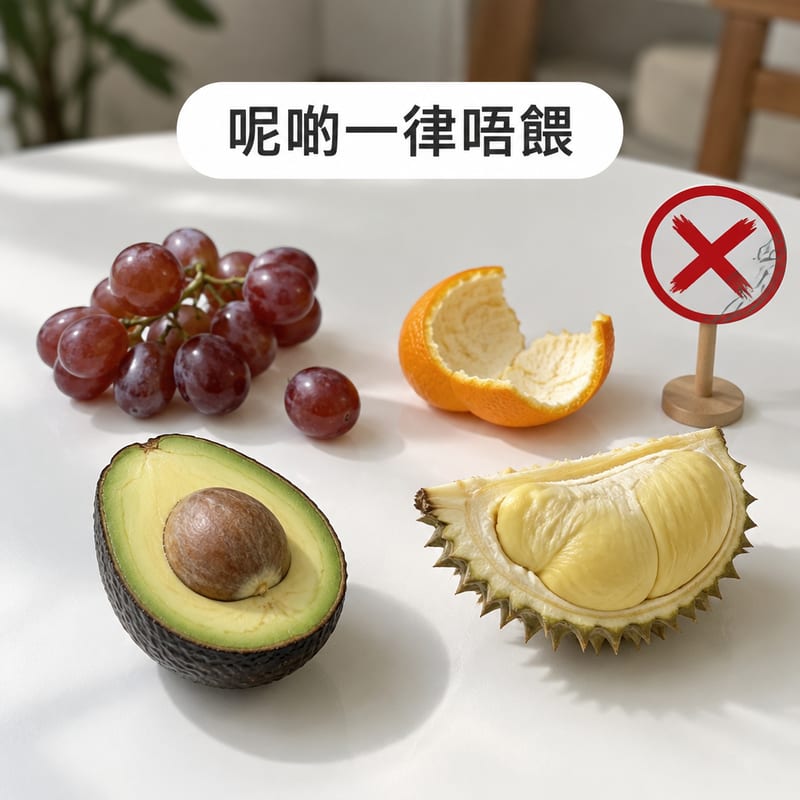
Which parts of mango, papaya and avocado must always be cut away? Which parts of an orange are harmful?
Toxic parts are the most easily overlooked element. The table below compares "parts that can be fed" and "parts that must always be cut away" fruit by fruit, so owners can use it as a checklist before preparing fruit.
| Fruit | Parts that can be fed | Parts that must be cut away/avoided | Main risk |
|---|---|---|---|
| Blueberries | Washed, stemmed, halved flesh | Dried blueberries, blueberry jam (containing sugar and sweeteners) | Excess causes soft stool, bloating |
| Kiwi | Peeled flesh, chopped small | Fuzzy skin | Acidity and enzymes irritate the mouth; relatively high potassium |
| Apple, pear | Peeled flesh | Seeds, core, stalk, leaves | Seeds contain cyanogenic glycosides; core hard to digest |
| Mango | Peeled, stoned ripe flesh | Skin, stone | Skin contains irritating compounds; large hard stone easily causes blockage |
| Papaya | Peeled, deseeded flesh | Skin, papaya seeds | Seeds and skin hard to digest; unripe papaya sap is more irritating |
| Cantaloupe, watermelon | Peeled, deseeded flesh | Skin, seeds | High sugar; seeds easily cause choking |
| Avocado | Not recommended | Stone, skin, leaves (highest content) | Whole plant contains persin; high fat |
| Durian, longan | Not recommended | Stones | High sugar and fat; hard stones |
| Grapes, raisins | Never feed | All (including raisins and grape juice) | May damage kidneys; no recognised safe dose |
| Orange, mandarin, lemon | Not recommended | Peel, white pith, leaves, stems, essential oils | Essential oils irritating; cats have limited metabolism |
| Aloe | Do not feed | Inner leaf latex, leaf skin | Contains laxative compounds, causes vomiting and diarrhoea |
Mango: feed only peeled, stoned ripe flesh, chopped small. Mango skin contains irritating compounds, and contact with a cat's or dog's mouth and skin may cause redness and itching; mango stones are large and hard, and besides the choking risk, swallowing one may block the intestine. Mango is high in sugar, so one or two small pieces at a time is enough.
Papaya: peeled, deseeded ripe flesh can be fed in small amounts. Papaya seeds and skin are hard to digest and easily irritate the stomach, so they must be cut away; the milky sap of unripe papaya contains papain, which is strongly irritating to the mouth and skin. Papaya is medium in sugar, so diabetic pets should reduce or avoid it.
Avocado: the whole avocado plant (skin, stone, leaves, bark) contains persin, which is clearly higher risk for birds, rabbits, hamsters and other small animals; cats and dogs eating the flesh generally show milder toxic reactions, but the flesh is high in fat and easily causes stomach upset and even pancreatic inflammation, so overall it is not recommended. If a pet swallows a stone or chews a leaf, treat it as an emergency, because both blockage and cardiovascular symptoms are possible. (For household plants and high-risk foods, see the household toxic items list)
Which parts of an orange are harmful: the most dangerous are the peel and white pith, followed by the leaves, stems and seeds, and also citrus essential oils, diffuser products and cleaning agents. These parts contain irritating essential oil compounds, and cats' livers have limited ability to metabolise them, so even skin contact or smelling a diffuser can cause drooling, vomiting, diarrhoea or skin redness. A small amount of flesh is generally not an emergency, but the sweet acidity and fibre easily upset the stomach, so feeding orange flesh is not recommended either. The steps for accidental ingestion of orange peel or essential oils are the same as for grapes: do not induce vomiting yourself, contact the veterinarian immediately.
Hamsters eating nuts and seeds: yes, but only plain and in very small amounts. Hamsters naturally hoard food, and if given too many high-fat seeds at once they easily overeat, leading to obesity and fatty liver. Salted, honeyed and flavoured versions should never be fed, and mouldy or off-smelling seeds should be discarded immediately.
What emergency steps should be taken if a cat eats grapes or raisins?
Grapes and raisins are a food with "no safe dose". Fresh grapes, raisins, grape juice, raisin bread and raisin oatmeal all carry the same risk; because raisins have had the water removed and the sugar and components concentrated, the potential risk per unit weight is generally considered higher. The toxic mechanism is still not fully understood; all that is known is that it damages the kidneys, and individual variation is large — some animals are affected by a small amount, while others react only after eating more, so owners should not base decisions on "it ate a few and was fine". Seedless grapes carry the same risk.
Six steps after accidental ingestion:
- Separate immediately: move any remaining grapes, raisins, packaging and vomit away from the pet so it cannot eat more. Do not force water or milk down to "flush it out".
- Do not induce vomiting yourself: whether to induce vomiting must be decided by the veterinarian; doing it yourself may cause secondary harm.
- Record the details: roughly how many were eaten, at what time, the pet's weight, and any chronic disease or current medication.
- Call the veterinarian or a 24-hour emergency clinic immediately: give the four pieces of information above and let the veterinarian decide whether an immediate visit is needed.
- Bring everything: food packaging, labels, a vomit sample, medical records and medication records.
- Watch for delayed symptoms: vomiting, poor appetite, low energy, and changes in drinking and urine output may be early signs of kidney involvement; even if the pet seems fine at the time, arrange blood tests and a follow-up visit as the veterinarian directs.
Accidental aloe ingestion should likewise be treated as an emergency. The leaf skin and the yellow latex inside aloe leaves contain anthraquinone laxative compounds, and a pet that chews them may develop vomiting, diarrhoea, lethargy and abdominal pain, and in severe cases dehydration. Topical aloe gel products also need care, because cats ingest them when grooming. Household aloe plants should be placed out of reach of cats and dogs; if ingestion has already happened, do not induce vomiting yourself — take the remaining chewed plant pieces to the veterinarian immediately.
Swallowing stones or seeds: apple seeds, pear seeds, cherry stones, mango stones and papaya seeds are all high-risk items. Stones can cause choking or intestinal blockage, and seeds containing cyanogenic glycosides release small amounts of cyanide when chewed. The principle is the same as above: do not induce vomiting yourself, seek veterinary help immediately. For the detailed process, see emergency steps for a cat eating grapes and the master list of toxic foods for cats and dogs.
Can oats, peanuts, pistachios and egg yolk be fed? What about ginger and cinnamon?
Oats: must be cooked, plain, and free of sugar and seasoning. Oats contain dietary fibre and are generally fine for dogs in small amounts, but cats have a low carbohydrate requirement, so oats cannot replace meat-based food; long-term large amounts distort the nutritional balance. Instant sweetened oats and milky, sugary breakfast cereals are never suitable. For the full principles of nutrient distribution, see the complete pet nutrition guide.
Peanuts: peanuts themselves are not highly toxic, but the problems are high fat, high salt and easy choking. Whole peanuts are a choking risk for small pets; for peanut butter, check the ingredient list — versions containing xylitol are highly toxic to dogs, and salted or sweetened versions are also unsuitable. If a pet has a history of pancreatitis or needs weight control, avoid entirely.
Pistachios: not suitable as a treat for any pet. Pistachios are high in fat and salt, the small pieces easily cause choking, and mouldy ones may carry mycotoxins; many flavoured versions on the market contain salt, onion powder or garlic powder, which is even higher risk for cats and dogs. So the answer to "are pistachios suitable for all pets" is: no, especially for senior cats and pets with sensitive guts.
Egg yolk: must be thoroughly cooked, with no salt or oil, and only fed in small amounts occasionally. Raw egg yolk and raw egg white carry a salmonella risk, and the avidin in raw egg white also affects biotin absorption. Egg yolk is high in fat and cholesterol, and long-term large amounts easily push calories over the limit, so it cannot be a main meal or a daily treat.
Ginger and cinnamon: a small amount of cooked ginger is generally considered fine, but it should not be fed proactively, because it is unnecessary and concentrated products carry higher risk. Cinnamon (especially cassia) contains coumarin, which poses a potential risk to pets' livers, and cinnamon powder, cinnamon essential oil and aromatherapy products should all be kept away from pets. Special reminder: spice blends, braising packets and soup base powders usually contain onion powder or garlic powder — these are the real high-risk sources, because they are concentrated and the amount is hard to estimate.
When to see the veterinarian immediately
In the following situations, do not wait — take the pet to a veterinary clinic or 24-hour emergency clinic immediately:
- Accidental ingestion of grapes, raisins, raisins, grape juice or seedless grapes — any amount is an emergency, because the kidneys may be damaged.
- Accidental ingestion of onion, garlic, chives or products containing garlic powder or onion powder, followed by pale gums, weakness or dark urine.
- Accidental ingestion of avocado stones, mango stones, apple seeds, cherry stones, etc., or chewing aloe, citrus peel or essential oil products.
- Repeated vomiting after eating fruit, bloody diarrhoea, a hard swollen abdomen that the pet will not let you touch, or excessive drooling.
- Lethargy, seizures, unsteady walking, rapid breathing, loss of consciousness or abnormal body temperature.
- A senior cat or a pet with chronic disease has eaten something it should not have — even if it seems fine on the surface, arrange blood tests or a follow-up visit as the veterinarian directs.
This article was reviewed by the PetChill veterinary editorial team. The content is for reference only and cannot replace veterinary diagnosis, prescription or treatment.
Further reading
- Complete pet nutrition guide: complete food, treats and weight management
- Cat safe fruit portion chart
- Safe fruit and vegetable feeding for cats and dogs: taboos and nutritional value (Part 2)
- Senior cats: pear and fruit feeding notes
- Emergency steps for a cat eating grapes/raisins
- Master list of toxic foods for cats and dogs
- Can cats and dogs eat human food? Three-category food list and emergency handling
To reward your pet, the safest approach is pet-specific treats and complete wet food rather than human fruit. Here are some examples to consider (prices taken from the online shop's current listings):
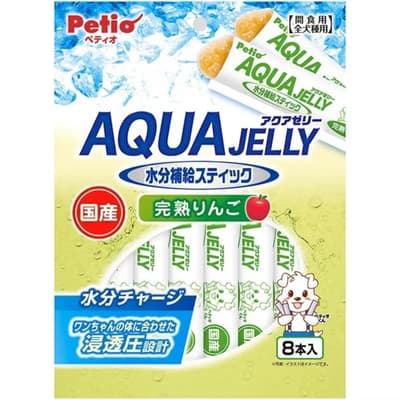
- Petio dog treat Aqua Jelly ripe apple flavour hydrating squeeze stick, 8-pack — HK$31.0.
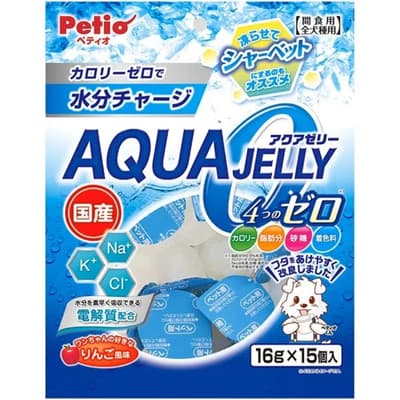
- Petio dog treat Aqua Jelly 4 Zero apple flavour hydrating jelly, 16g×15 pieces — HK$36.0.
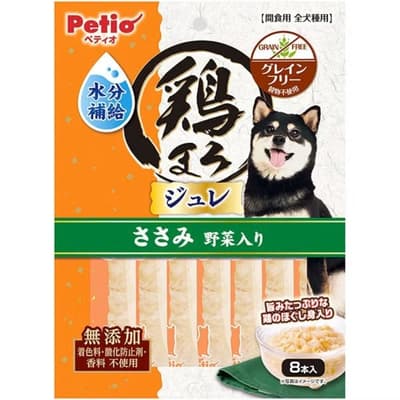
- Petio dog treat additive-free chicken + carrot + pumpkin hydrating squeeze stick, 8-pack — HK$25.0.
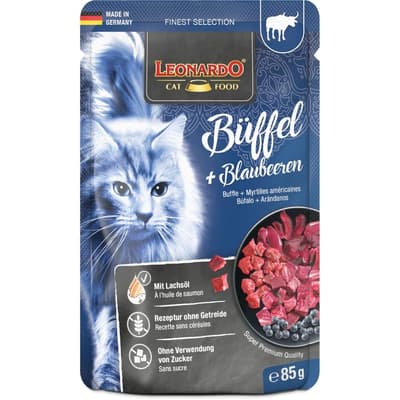
- Leonardo cat wet food pouch series buffalo blueberry recipe 85g — HK$13.0.
- Bell & Bone cat treat chicken + blueberry natural dental bites 80g — HK$62.0.
Prices and stock are subject to the online shop's current listings. On feeding principles, the WSAVA Global Nutrition Guidelines recommend that treats should not exceed 10% of daily calories and that every pet should have regular nutritional assessment (https://wsava.org/global-guidelines/global-nutrition-guidelines/); iCatCare (ISFM) also notes that cats are meat-eating animals and plant foods should not replace complete food (https://icatcare.org/articles/feeding-your-cat-or-kitten); the AVMA reminds owners to pay attention to hygiene and cross-contamination when handling pet food and treats (https://www.avma.org/resources-tools/pet-owners/petcare/safe-handling-pet-food-and-pet-treats). In Hong Kong, the Agriculture, Fisheries and Conservation Department's Pet Food Safety Guidelines also list points owners should note when buying and storing pet food (https://www.afcd.gov.hk/tc_chi/quarantine/qua_petfood/qua_petfood.html).
Veterinary warning: In an emergency, contact a veterinarian immediately; this article is for reference only and cannot replace veterinary diagnosis. Information checked as of 2026-10-14 · Source: PetChill editorial team
 Petio full guide →