
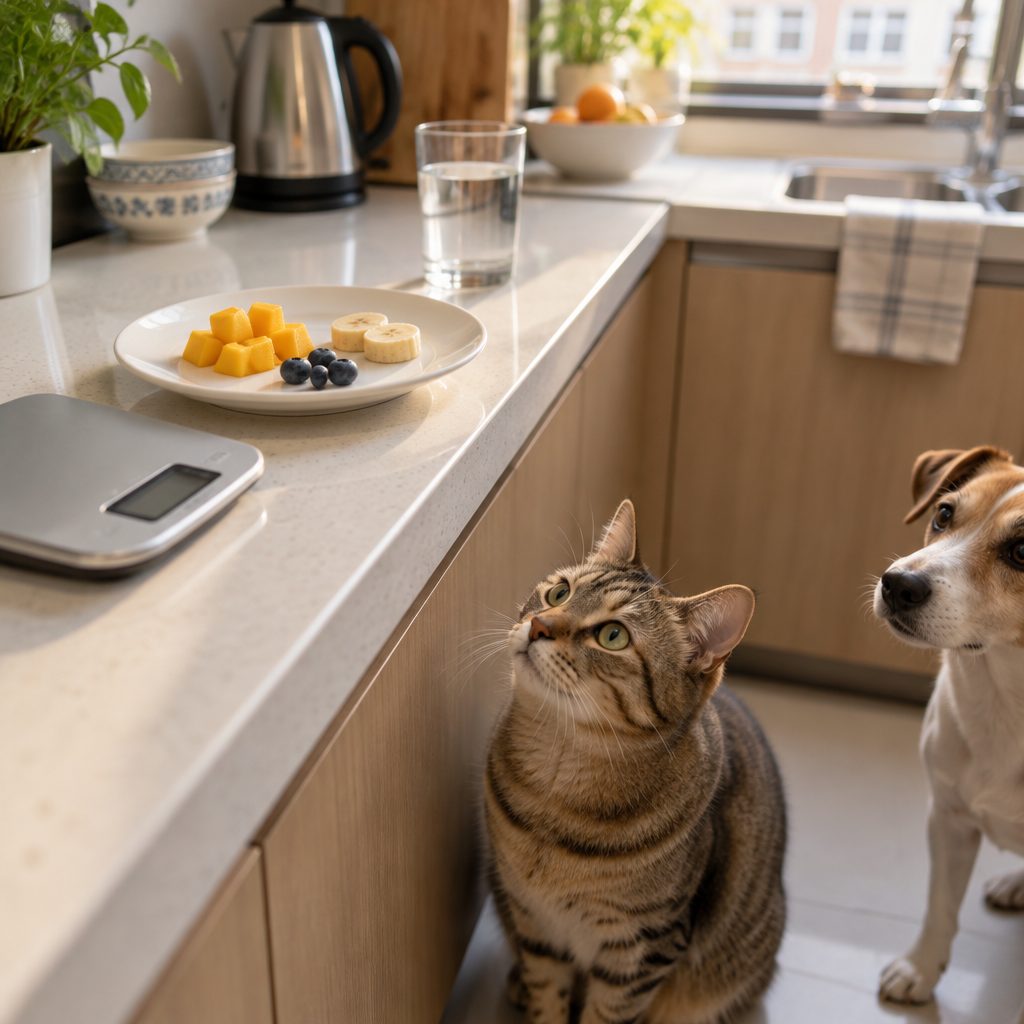
The key to safely feeding fruit and vegetables to cats and dogs is “peel, remove pits, cut small, keep plain, feed small amounts”: mango, banana, blueberry and apple flesh can be fed in small amounts; lemon, citrus peel, onion and garlic, and cherry pits should not be fed at all.
Quick answers
- Can be fed in small amounts (peeled, pitted, cut small, plain and unsweetened): mango flesh, ripe banana, blueberries, apple flesh, watermelon with seeds and rind removed, steamed pumpkin.
- Higher risk or never feed: lemon and citrus peel, leaves and essential oils; onion, garlic, chives and other allium foods; cherry pits, apple seeds, mango pits; the whole jasmine plant and jasmine essential oil.
- Amounts must be adjusted by body weight: for a 10 kg dog, about 3 to 5 blueberries per day; for cats, hamsters and rabbits, much less.
- Symptoms may be delayed for one to several days, especially with allium foods and grape-family fruits; “looks fine immediately” does not mean safe.
- After accidental ingestion, there is only one principle: do not induce vomiting yourself; contact a veterinarian immediately, and have the packaging, approximate amount and time of ingestion ready.
Key points
- Fruit and vegetables are only treats and cannot replace the main diet; total treats should generally not exceed 10% of daily calories.
- Apple seeds, cherry pits, mango pits and leaves are sources of cyanogenic glycosides, so “flesh” and “pit” must be handled separately; cut out the pit before feeding.
- The peel and essential oils of lemon, orange, mandarin, grapefruit and pomelo carry the highest risk for cats, and no citrus plant is “safe for cats”.
- Onion, garlic, chives, garlic powder and onion powder damage red blood cells; cooking or drying does not eliminate the risk, and there is no recognised safe amount.
- Blueberries are best washed just before eating and dried before refrigerating; after thawing, do not refreeze, and do not thaw at room temperature.
- Rabbits’ staple diet is hay; too much high-sugar fruit such as banana can cause diarrhoea and, in severe cases, gut stasis, which is an emergency.
How much mango, banana and blueberry can be fed daily?
Mango: Feed only ripe flesh, peeled, pitted and cut into small pieces. Mango skin contains irritants that can cause redness, itching and stomach upset when it contacts the mouth and skin of cats and dogs; the pit is large and hard, and besides the choking risk, swallowing it can cause intestinal blockage. Mango is high in sugar, so one or two small pieces at a time is enough; it should not be a meal replacement and should not be fed together with other sweet treats.
Banana: The flesh can be fed in small amounts, but ripeness matters. Unripe banana contains more resistant starch, which is harder to digest and can cause gas; overripe banana is high in sugar, so pets that need weight control or have diabetes should avoid it. Banana skin is not recommended because it is hard to digest and may carry pesticide residues. For a 10 kg dog, about one to two slices, each about 1 cm thick, is enough at a time.
Blueberry: A relatively safe fruit, but wash well, remove stems, cut open, and keep unsweetened and unprocessed. Dried blueberries and blueberry jam are usually sweetened, and some contain sweeteners harmful to dogs, so they must never be fed. For a 10 kg dog, about 3 to 5 berries per day; for cats, two or three or fewer is generally enough, and for small animals even less. For a first trial, start with one or two small berries.
Cats are different from dogs: Cats are obligate carnivores, so fruit is only an extra food for them and provides no essential nutrients; “can eat” does not mean “needs to eat”. The same amount places a much greater burden on small animals, so portions for cats, hamsters and rabbits should be more conservative than for dogs.
| Fruit | Safe parts | Daily reference amount for a 10 kg dog | Cat | Watch out for |
|---|---|---|---|---|
| Mango | Ripe flesh, peeled, pitted and cut small | 1 to 2 small pieces | Less | Skin is irritating, pit is large and hard, high sugar |
| Banana | Ripe flesh | 1 to 2 thin slices | One or two small slices | Ripeness affects sugar and digestion; avoid for diabetic pets |
| Blueberry | Washed, stemmed, cut open | 3 to 5 berries | 2 to 3 or fewer | Dried blueberries, jam and products with sweeteners must not be fed |
| Apple | Flesh, seeds and core removed | 1 to 2 small pieces | One or two small pieces | Seeds contain cyanogenic glycosides; skin is harder to digest |
| Watermelon | Flesh with seeds and rind removed | 1 to 2 small pieces | One or two small pieces | Seeds and rind must all be removed; avoid for diabetic pets |
| Pumpkin | Steamed and mashed, unsweetened and unspiced | 1 to 2 teaspoons | Less than 1 teaspoon | Only as a fibre supplement; cannot replace the main diet |
These amounts are general references; actual portions should be adjusted according to the pet’s age, weight, health status and other treats given that day; for pets with chronic disease, follow veterinary advice. International nutrition guidelines emphasise the same principle: the WSAVA Global Nutrition Guidelines recommend that treats should not exceed 10% of daily calories, and that every pet should receive regular nutritional assessment (https://wsava.org/global-guidelines/global-nutrition-guidelines/).

Lemon, citrus, pineapple and cherry: what poisoning risks follow accidental ingestion?
Lemon and citrus: Lemon, orange, mandarin, grapefruit, pomelo and lime are all citrus. A small amount of flesh is generally not an emergency, but the peel, leaves, stems and essential oil contain irritants and pose a clearly higher risk to cats, because cats have a limited ability to metabolise these compounds. So the answer is: no citrus plant can be considered “safe for cats”, and even ornamental citrus plants should be kept out of cats’ reach. Immediate symptoms after ingesting peel or oil include drooling, vomiting, diarrhoea, lethargy and skin redness; in severe cases, unsteady walking.
How to prevent cats from contacting or eating lemon: Do not leave lemons and peel on table edges or low cabinets; keep citrus essential oils, diffusers and aromatherapy sprays away from cats’ activity areas; wash used cups and utensils immediately; keep bins covered. To stop cats approaching a certain spot, prefer physical barriers or aluminium foil rather than relying on essential oil smells.
Pineapple: A small amount of fresh pineapple flesh is generally not toxic, but it contains bromelain, which can irritate the mouth and skin, and its sugar and acidity can easily cause stomach upset. Canned pineapple, pineapple juice and dried pineapple are usually sweetened and should not be fed. Assessing poisoning risk is not just about “how much was eaten” but four things: the amount relative to body weight, whether flesh or peel and leaves were eaten, whether fresh or processed, and when it was eaten and whether symptoms have appeared. If there is persistent drooling, redness or swelling of the mouth, vomiting or diarrhoea, treat it as an emergency.
Cherry: The flesh is not high risk, but the pit, leaves and stems contain cyanogenic glycosides that release cyanide when chewed, affecting the cells’ ability to carry oxygen. Cherries are small and easily swallowed whole with the pit, which is especially dangerous for small dogs and cats, so the safest approach is always to remove the pit and cut the fruit open before feeding, and never let pets play with pits. For detailed risks, see Cherry and cyanide risk.
Jasmine: The whole jasmine plant is risky for cats; the flowers and leaves contain essential oils and irritants, and ingestion can cause stomach upset, drooling and lethargy; jasmine essential oil and diffuser products carry even higher risk. Compared with other household plants, jasmine is less toxic than lilies or dieffenbachia, but it should never be placed where cats can reach it. If a cat has ingested it, see the list of common toxic plants.
Pistachios and other nuts: Pistachios are not highly toxic in themselves, but they are high in fat and salt, processed versions are even saltier, and they are small and easy to choke on. Older cats generally have weaker metabolism and kidney function, and high-fat foods may cause stomach upset or even pancreatitis, so they are not recommended as treats. Mouldy nuts may also contain mycotoxins and must be discarded.
| Ingredient | Risky parts | Main risks | What to do after ingestion |
|---|---|---|---|
| Lemon/citrus | Peel, leaves, stems, essential oil | Irritants; essential oil more concentrated; cats have limited metabolism | Do not wait for symptoms; contact a veterinarian immediately |
| Onion, garlic, chives | All, especially powders and concentrated products | Damage red blood cells, causing haemolytic anaemia | Treat as an emergency; blood tests may be needed |
| Cherry, apple, mango | Pit, seeds, core, stem, leaves, stalks | Cyanogenic glycosides release cyanide; pits can cause choking or blockage | Seek veterinary care immediately; do not induce vomiting yourself |
| Pineapple | Peel, leaves, processed products | Bromelain irritation, high sugar, sweetened products | Seek veterinary care if symptoms occur; never feed processed products |
| Jasmine | Flowers, leaves, essential oil, diffuser products | Stomach irritation, drooling, lethargy | Remove the plant; seek veterinary care if symptoms occur |
| Pistachios and other nuts | All, especially salted processed versions | High fat, high salt, mycotoxins, easy to choke on | Seek veterinary care if symptoms occur; higher risk for older cats |

Apple, kiwi, spinach and pumpkin: which parts are safe to eat?
Apple: The flesh can be fed in small amounts, cut into small pieces. The skin itself is non-toxic, but the surface may carry pesticide residues and is harder for small pets to digest, so peeling is recommended. Apple seeds must be removed, because they contain cyanogenic glycosides that release trace cyanide when chewed; the core, stem and leaves should also not be fed. Feeding only apples long-term will imbalance the diet; apples are only a treat. As for dietary fibre, a significant portion of an apple’s fibre is concentrated in the skin, so fibre content drops after peeling; overall, the fibre levels of apple, banana and blueberry are moderate and not very different, and actual figures depend on the variety and nutrition label. For a safety list organised by fruit, see the cat safe fruit portion chart.
Kiwi: The flesh can be fed in small amounts, peeled and cut small; acidity and enzymes may irritate the mouth, and the fuzzy skin can cause discomfort around the mouth, so it must be peeled. Kiwi is relatively high in potassium, so older cats with kidney disease, heart disease or needing potassium restriction should be especially careful. Whether there is a contraindication cannot be judged by eye: if a cat has been diagnosed with chronic kidney disease or heart disease, ask a veterinarian before feeding any high-potassium fruit; if the cat is healthy, one or two small pieces is generally not a problem.
Spinach: For cats, it falls into the “not recommended” category. Spinach contains oxalates that bind calcium, and the risk is higher for pets with a history of stones or kidney disease; cats do not need vegetables for nutrition, so spinach should not be fed as a daily vegetable. A small amount of cooked spinach is usually not a problem for dogs, but it should be boiled without salt or oil, and should not be fed in large amounts long-term, because a long-term high-oxalate diet is not ideal for the urinary system.
Pumpkin: Steamed or baked, mashed, unsweetened and unspiced, it is a relatively safe source of fibre. For a 10 kg dog, 1 to 2 teaspoons once a day is enough; for cats, less than 1 teaspoon. Pumpkin pie filling, pumpkin soup with onion and garlic, and sweetened pumpkin products must never be fed. If pumpkin mash is needed for several consecutive days to manage bowel movements, a veterinarian should first investigate the cause rather than continuing to add it long-term. For canned pumpkin, check the ingredient list for added sugar or flavourings.
Watermelon: Flesh with seeds and rind removed can be fed in small amounts. Watermelon is high in water but cannot replace drinking water; seeds and rind must all be removed, because seeds can cause choking or blockage, and the rind is hard to digest and may carry pesticide residues. Pets needing blood sugar or weight control should avoid it, because watermelon is not low in sugar, and drinking lots of water with watermelon should not be treated as a “hydration method”.
How high is the poisoning risk from onion and garlic?
Onion, garlic, chives, spring onion, shallot, yellow chives and garlic sprouts are all allium foods, and red shallots and some spices are related. These foods contain sulphur compounds that damage red blood cells and cause haemolytic anaemia; both cats and dogs are affected, and cats are generally considered at higher risk. The key point: cooking, baking and drying do not eliminate the toxicity; powders and concentrated products (garlic powder, onion powder, dehydrated onion) carry higher risk than fresh chopped onion because they are concentrated and the actual amount is hard to estimate.
The risk depends on the amount, body weight and product form, and there is no recognised safe amount, so “a little bit is fine” should not be used to judge. The easiest thing to miss is hidden sources: soup bases, braising liquids, meatballs, sausages, dumpling fillings, canned soup, instant noodle seasoning packets, baby food, and even some homemade pet food recipes include garlic powder or onion powder. Symptoms may appear immediately or may be delayed for one to several days, including lethargy, weakness, pale gums, rapid breathing, dark urine, loss of appetite, vomiting or diarrhoea. So after ingestion, even if the pet seems fine, contact a veterinarian. For a complete classification of food risks, see the cat and dog toxic food list, and for management principles, see the food poisoning management guide.
How should blueberries be refrigerated, frozen and thawed? What should I watch out for when feeding fruit to small animals?
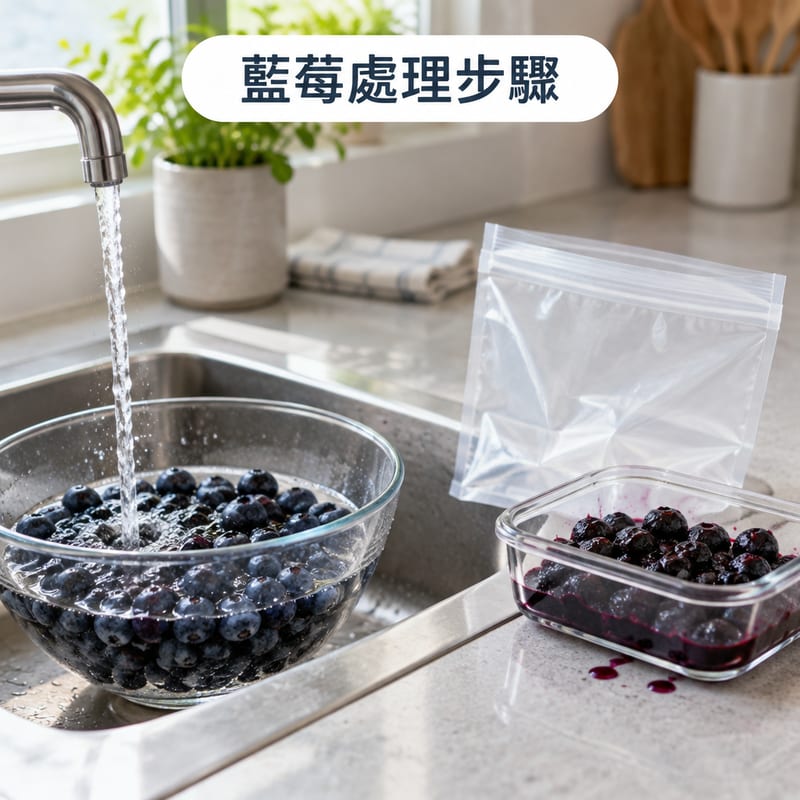
Should they be washed before refrigerating? It is best to “wash just before eating”. The natural white bloom on blueberries is protective; if they are washed and put into the fridge wet, moisture speeds up mould growth. If you must wash first, dry them with kitchen paper or spread them out to air-dry before refrigerating, and eat them as soon as possible.
Freezing: To freeze, rinse gently, pat dry, spread in a single layer on a plate and freeze; once hard, transfer to a sealed bag to prevent them sticking together. Write the freezing date on the bag so you do not keep them past their prime.
Can thawed blueberries be refrozen? Not recommended. During thawing, cell structures have already been damaged by ice crystals; refreezing causes weeping, softening and loss of flavour, and water-soluble vitamins and some antioxidants are lost with the juice; repeated freezing also increases the risk of microbial growth, so thawed berries should be fed within the same day.
What to watch out for when thawing: Thaw slowly in the lower part of the fridge; do not leave at room temperature for hours or soak in hot water, because long periods at room temperature and sudden temperature changes allow bacteria to multiply quickly. Do not put leftovers back in the fridge for the next meal. Washing and thawing themselves cause some water-soluble nutrients to leach out with water, so patting dry after washing and avoiding prolonged soaking are key to reducing loss. If you see mould, weeping or mushy texture, a sour smell, or severe softening and juice release, do not feed them.
Hamsters: Hamsters are light, so the sugar burden of fruit is relatively large. Banana should only be given in extremely small amounts, about a nail-sized piece, and must be fresh ripe banana; never dried banana or processed treats; blueberries can be one or two, cut open and stemmed. The staple diet should be a dedicated hamster food plus adequate fibre; fruit is only a treat, and too much will skew the nutritional balance.
Rabbits: Rabbits’ staple diet is hay (such as timothy hay), vegetables next, and fruit only in extremely small amounts. If a rabbit eats too much banana, the high sugar will disrupt gut flora, causing soft stool, diarrhoea and dehydration, and in severe cases gut stasis, which is an emergency requiring immediate veterinary care. A rabbit’s diet should not be changed suddenly; any new food should start with an extremely small amount, and droppings should be monitored. Parrots and other birds should likewise not be given human sweets or high-sugar fruit as a staple.
When to see a veterinarian immediately
In the following situations, do not wait; take your pet to a veterinary clinic or a 24-hour emergency clinic immediately:
- Ingestion of onion, garlic, chives, garlic powder or onion powder (any amount), or pale gums, weakness or dark urine.
- After contact with or ingestion of citrus peel, essential oil or diffuser products: drooling, vomiting, skin redness or unsteady walking.
- Ingestion of cherry pits, apple seeds, mango pits or pit fragments, or difficulty breathing or seizures.
- After eating pineapple or other fruit: persistent vomiting, bloody diarrhoea, or a hard, bloated abdomen that the pet will not let you touch.
- Hamsters or rabbits with diarrhoea, no droppings, bloating, dullness or refusal to eat.
- Any pet with seizures, rapid breathing, loss of consciousness, abnormal body temperature or complete unresponsiveness.
This article was reviewed by the PetChill Veterinary Editorial Team. The content is for reference only and cannot replace veterinary diagnosis, prescription or treatment.
To reward your pet, the safest approach is to use pet-specific treats and complete wet food rather than human fruit. Here are some examples to consider:
- Leonardo Cat Wet Food Pouch Series Buffalo & Blueberry Recipe 85g — HK$13.0.
- WeRuVa Cat Canned Food Complete Wet Food Chicken & Pumpkin 90g (discontinued) — HK$10.4.
- FirstMate Dog Food Grain-Free All-Life-Stages Chicken + Blueberry (Small Bites) 14lb (discontinued) — HK$210.0.
Prices and stock are subject to the online store’s current listed prices. In addition, iCatCare (ISFM) feeding guidelines state that cats are obligate carnivores and plant-based foods should not replace their main diet (https://icatcare.org/articles/feeding-your-cat-or-kitten); the AVMA also reminds owners to pay attention to shelf life and cross-contamination when handling pet food and treats (https://www.avma.org/resources-tools/pet-owners/petcare/safe-handling-pet-food-and-pet-treats).
Further reading
- Complete Pet Nutrition Guide: Main Diet, Treats and Weight Management
- Cat Safe Fruit Portion Chart
- Cat and Dog Toxic Food List
- Emergency Steps for Cats Accidentally Eating Grapes/Raisins
- Can Cats and Dogs Eat Human Food? Three-Category Food List and Emergency Management
Veterinary warning: In an emergency, contact a veterinarian immediately; this article is for reference only and cannot replace veterinary diagnosis. Information checked as of 2026-10-14. Source: PetChill Editorial Team.
⚠️ Some products mentioned in this article have been discontinued (marked “discontinued” in the text); the prices shown are records from before discontinuation. For other products, please refer to the current prices displayed on the online store.
 Fuji One full guide →


 WeRuVa full guide →