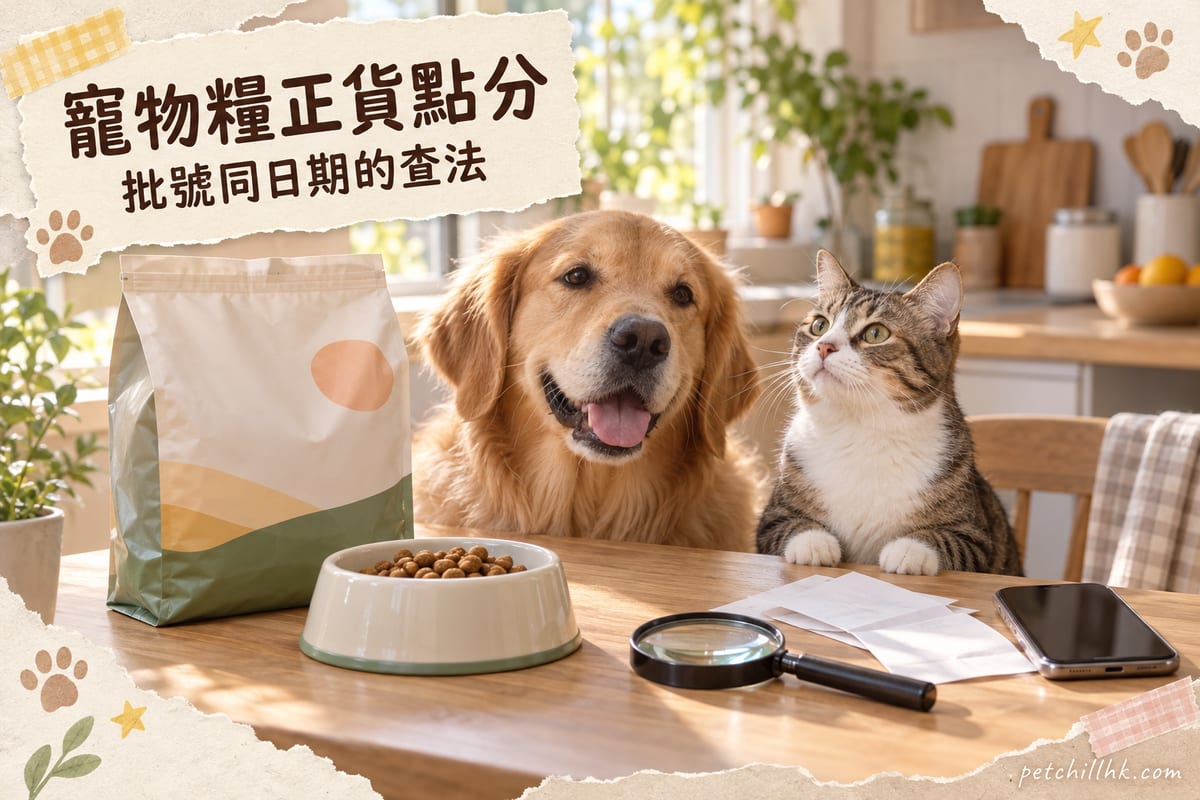
Quick answers
- Check 4 things before ordering: packaging print, seal integrity, batch and expiry inkjet codes, and bilingual labelling. All four together is what you want.
- How to read dates: Hills and Royal Canin batch codes and expiry dates are usually inkjet-printed on the bottom or side folds of the packaging, not necessarily next to the product name.
- How to verify: Note the Lot/Batch code on the packaging, along with the full product name and purchase date, and query the brand's official customer service or a local authorised distributor; you'll usually get a reply within 3 to 5 working days.
- Price warning signs: A price significantly below market (for example, more than 30% lower), especially for large bags of prescription food, deserves extra caution.
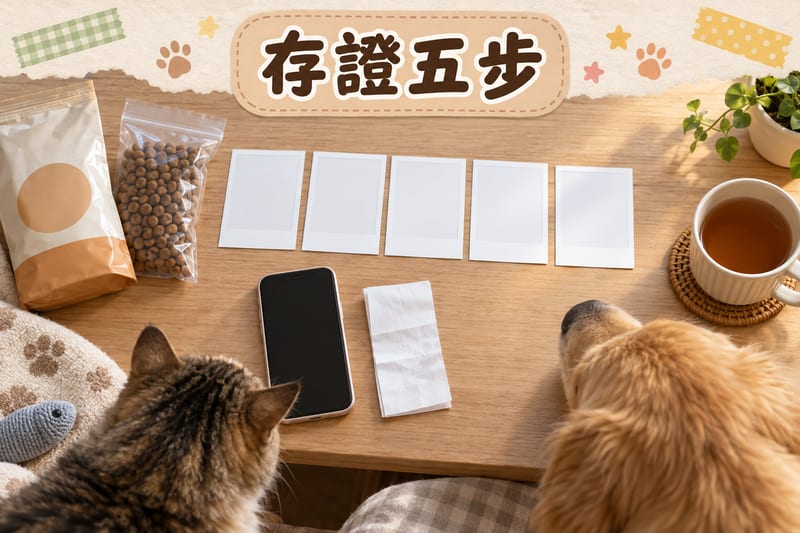
- Take 5 photos for evidence: front of packaging, back label, bottom batch and date inkjet code, seal, and purchase receipt. If unopened, don't open it.
- Keep 4 pieces of evidence: the complete physical packaging, purchase receipt, payment record, and screenshots of conversations with the seller.
- Health first: If you suspect a problem with the food, stop feeding immediately and take your pet to a veterinarian; don't wait for authentication results.
When buying pet food in Hong Kong, you don't need professional equipment to tell where it came from. The most practical method is the three-step approach: check the packaging, read the inkjet codes, verify the batch code. Hills and Royal Canin products have batch codes and expiry dates inkjet-printed on the packaging, usually on the bottom or side folds. Just note the batch code and verify it with the brand's official customer service or a local authorised distributor, and you can greatly reduce the risk of buying goods of unknown origin. And if you do buy something suspicious, keeping the complete packaging and receipt is your strongest evidence.
This article walks you through self-checking the packaging, interpreting batch codes and expiry inkjet codes, verification channels, and the evidence-preservation and follow-up process if you buy a problematic product. The content is written from a consumer self-protection perspective and does not comment on any individual merchant or platform. For advice on choosing food and nutrition, you can first read the Complete Guide to Cat and Dog Nutrition.
What exactly is the difference between "genuine" and "parallel-imported"?
First, let's clarify the concepts. What the market calls "parallel imports" mostly refers to parallel imports, meaning goods brought in through channels other than the brand's local authorised channel. Parallel imports are not necessarily fake, but because the supply chain is different, if something goes wrong, verification and recourse can be more troublesome. The differences mainly fall into these areas:
| Comparison area | Typical situation for brand's local authorised channel | Typical situation for parallel imports |
|---|---|---|
| Packaging labels | Usually has bilingual labels listing ingredients, shelf life, importer details | May only have labels in the language of origin |
| Batch and date inkjet codes | Correspond to the brand's system and can be checked through official channels | Also have inkjet codes, but verification channels depend on the source |
| Customer service and after-sales | Can query and follow up through the brand's official channels | Usually need to go back to the original purchase point |
| Batch freshness | Depends on local warehouse turnover speed | Depends on the import batch; differences can be large |
| Price | Relatively stable | Can be noticeably lower and more volatile |
| Storage conditions | Usually has local warehousing records | Depends on transport and storage environment |
What you really need to guard against is goods of unknown origin, with unusual packaging, covered inkjet codes, or unusually low prices, rather than labelling an entire supply channel as bad. Parallel imports with intact packaging, traceable batches, and normal storage conditions are not necessarily problematic; likewise, normally priced goods don't mean you can skip checking. The self-check methods below work for both sources.
Before ordering: 7 things to check one by one
Spend two minutes before opening the bag and check each point; this can filter out most obviously problematic goods:
- Print quality: Genuine packaging has sharp fonts, saturated colours, and clean edges. Blurry edges, obvious colour differences, or spelling errors should make you pause.
- Seal and sealing: Check the bag's heat-seal line and foil layer for damage, and the zipper for signs of re-sealing or re-gluing.
- Inkjet code position and clarity: Batch and date codes should be clear and consistently positioned. If you see the code covered by a sticker, or two layers of dates in the same spot, pay extra attention.
- Bilingual labels: Generally, pre-packaged food must have Chinese and English labels listing ingredients, shelf life, and manufacturer or importer details. Incomplete label information is itself a warning sign.
- Capacity and specifications: Compare with the packaging specifications on the brand's official website, such as bag weight or can size, to see if there's a "looks the same but lighter" situation.
- Smell and appearance: After opening, if there is a rancid or musty smell, or the kibble colour or shape is noticeably different from before, don't feed it.
- Price and source: Significantly below market price, a seller who refuses to provide a proper receipt, or one who only accepts private transfers are all higher risk.
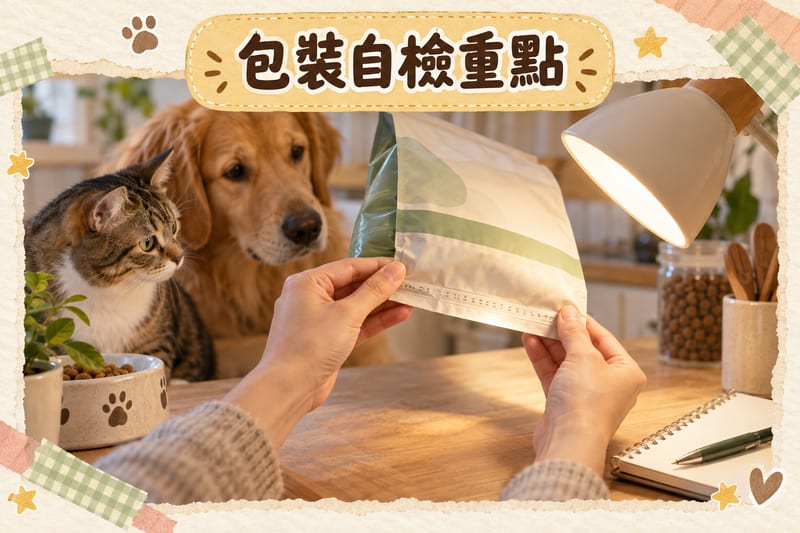
Tip: Before ordering, take a photo of the product image and price on the shelf or online store page, and compare the packaging version, batch, and date as soon as you receive it. Make this a habit, and you'll have more than just a receipt if something goes wrong.
Hills: how to check batch codes and expiry dates?
Hills packaging generally has two key pieces of information: the batch code (Lot/Batch Code) and the expiry date (Best Before/Expiry). The batch code is a tracking code for the production batch, used to identify the production line and date; the expiry date is the limit for safe feeding. Checking can be done in four steps:
- Where to find it: Mostly printed on the bottom of the packaging, lower back of the bag, or side folds; the font may be dot-matrix inkjet, not necessarily next to the product name. If you can't find it, flatten the packaging and feel along the bottom and sides.
- Read the date: Common formats are day/month/year (e.g., 12/10/26) and month/year (e.g., 10/2026). British and American styles differ, so the day and month positions can be swapped; confirm the format before reading.
- Calculate remaining shelf life: From today, large bags with less than 1 to 2 months to the best-before date may expire before you finish them after opening; calculate your daily usage before deciding which size to buy.
- Check the batch code: Note the batch code along with the full product name, pack weight, and purchase date and location, and submit a query through the brand's official website customer service channel. You'll usually receive a reply within 3 to 5 working days.
| Marking on packaging | Usually means | How you can use it |
|---|---|---|
| Lot No./Batch Code | Production batch tracking code | Note it down and query the brand officially |
| Best Before (BBE) | Best-before date | Not recommended to feed after this |
| Expiry/Use By | Expiry date | Treat as a hard limit |
| MFG/Production Date | Production date | Use to calculate remaining shelf life |
| DD/MM/YY or MM/YYYY | Day/month/year or month/year | Note the different day/month positions in the two formats |
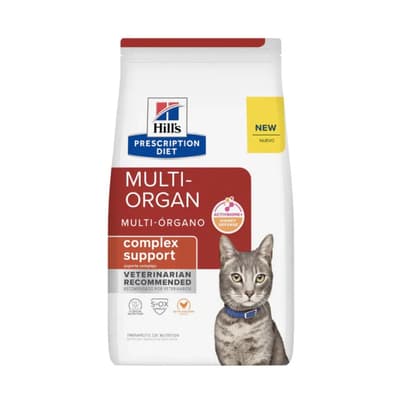
By the way, prescription diets are a category that requires veterinary assessment before purchase, so pay even more attention to source and batch when buying. Below is the current price of the same product on the PetChill online store for you to compare capacity and price:
Hills Prescription Diet Cat Food k/d Early Support Multi-Organ Care Formula 4lbs (609528) — HK$329 (stock 0, available for pre-order)
Prices and stock are subject to the online store's current listed price.
Royal Canin: how to read production dates and expiry dates?
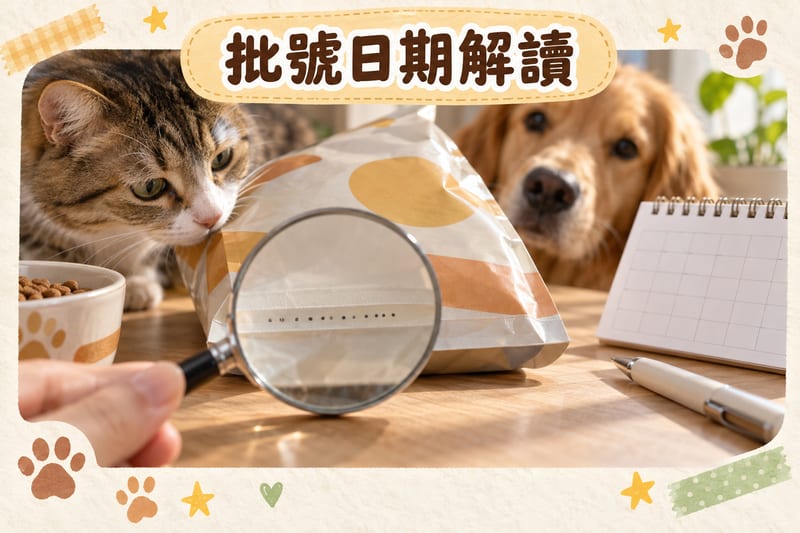
Royal Canin packaging also uses inkjet codes to mark batch codes and expiry dates, consistent with most pre-packaged pet foods. There are three key points when interpreting:
- Confirm the format first: "10/2026" usually means month/year; for "12 10 26" or "12/10/26", check carefully whether it's day/month/year or month/day/year.
- Match the batch code: The batch code and date are usually printed in the same place; read them together for easier official verification.
- Watch for anomalies: Blurry inkjet codes, positions inconsistent with the same product, or dates significantly older than the same product all warrant re-verification.
From time to time, so-called "code-checking websites" or third-party verification tools circulate online. These tools are not necessarily operated by the brand; check the domain, contact details, and privacy policy carefully. The safest approach is still to submit a query through the brand's official website customer service channel, or ask a local authorised distributor to help verify the batch. Don't rely solely on forum opinions or answers from generative tools for a final judgement, especially when it comes to returns and claims.
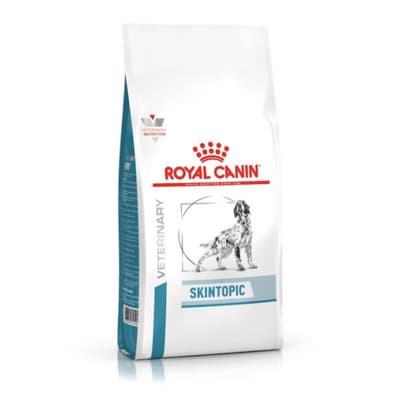
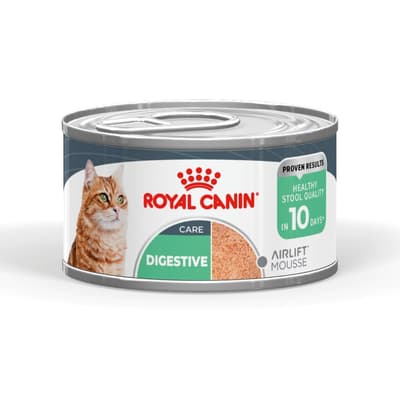
Below are the current prices of the same brand's products on the PetChill online store for you to compare packaging specifications:
Royal Canin Prescription Diet Dog Food SKINTOPIC Adult Atopic Dermatitis 2kg (3111400) — HK$349 (stock 0, available for pre-order)
Royal Canin AIRLIFT Cat Can Adult Digestive Care Complete Wet Food 85g (4241300) — HK$24 (stock 36)
Prices and stock are subject to the online store's current listed price.
What general channels can verify product authenticity?
Different brands offer different levels of verification, but these four routes are generally feasible:
- Brand official website customer service: Most brand websites have a contact form or customer service email. Submit the batch code, full product name, pack weight, and purchase date and location, and request a written reply.
- QR code or anti-counterfeit code on packaging: Some brands add a QR code or a scratch-off anti-counterfeit code. After scanning, check whether the URL leads to the brand's official domain; if not, stop.
- Local authorised distributor: Hong Kong generally has brand-designated local distribution channels that can help verify batches and explain label differences.
- Written records: Save your queries and their replies as emails or screenshots. If you need to return, complain, or claim, these are formal documents.
Be aware: any channel that asks you to "pay first then verify", or verbally guarantees "100% genuine" but refuses to provide a written query, should make you pause and think. A genuine verification process does not require extra payment, nor will it ask for your full credit card number or one-time password.
If you buy something suspicious: 5 steps to preserve evidence and follow up
If you suspect you've bought a problematic product, the order of handling is important. Follow these 5 steps to protect your negotiating position:
- Stop feeding immediately: If your pet has already eaten it and shows vomiting, diarrhoea, lethargy, or skin reactions, take them to a veterinarian first, and bring the packaging and remaining food so the vet has complete information.
- Keep the complete physical item: Do not open, discard, or wash the packaging. The problematic food and original packaging are the most important physical evidence.
- Take 5 photos: Front of packaging, back label, bottom batch and date inkjet code, seal, and purchase receipt; photograph each clearly, and also photograph the bilingual labels on the packaging.
- Organise records: Purchase receipt, electronic receipt, payment record (credit card or Faster Payment System screenshot), order page screenshot, and conversation records with the seller; keep them all and don't delete them.
- Negotiate in writing, then escalate: First raise the issue in writing with the seller and keep the timestamp; if you don't get a reasonable response, contact the Consumer Council; if it involves false trade descriptions or infringing goods, report to Hong Kong Customs.
Remember in particular: take photos before returning the goods. Many disputes arise because the goods have been returned and the packaging dismantled, making batch verification impossible. Similarly, if the product has been opened, you can pour the remaining food into a sealed bag for storage, but you must keep the original packaging bag, because the batch code and date inkjet code are on it.
How to protect yourself with supplies (cat litter, toys, electronics)?
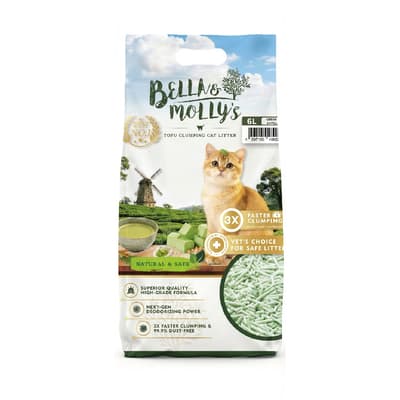
The logic for pet supplies is much the same as for food: check packaging print and seals, verify brand logo details and specifications, watch for obviously low prices, and keep receipts and warranty cards. For cat litter, for example, you can compare with the current price on the PetChill online store:
Bella & Molly's 2.0mm Tofu Cat Litter Natural Ultra-Clumping Green Tea Scent 6L (official stock) — HK$24 (stock 176)
Prices and stock are subject to the online store's current listed price. When buying electronics (such as automatic feeders or water fountains), besides the receipt, remember to keep the warranty card and outer box; warranty service usually relies on the purchase receipt and the machine's serial number, so don't throw away the box as soon as you receive it.
What are the risks of expired or improperly stored food?
Expiry and improper storage are two different problems, but the consequences are similar. Dry pet food contains fats; prolonged heat or moisture accelerates fat oxidation, producing a rancid smell; nutrients such as vitamins also degrade over time, making the actual nutritional value lower than labelled. Moist food is also more prone to mould. If you notice an off smell, clumping, noticeably darker colour, or bloated packaging, you should not continue feeding even if it hasn't expired.
For storage, after opening, it is recommended to store in a cool, dry place according to the packaging instructions, sealed against moisture and insects, and use it up as soon as possible; the actual shelf life is as stated on the packaging. Hong Kong's humid weather means it is not advisable to pour the entire original bag into a large unsealed container, because pouring it out separates the batch and date information on the packaging from the actual food, making it impossible to match up later if there is a dispute.
What else can Hong Kong consumers do?
Besides self-checking before buying, there are several things you can do long-term to reduce the chance of problems:
- Build your own purchase record: Note the date, batch, purchase point, and price each time you buy food, in a phone memo or spreadsheet. If a problem arises, you'll have a timeline immediately.
- Keep receipts and packaging information: Returns and claims usually have time limits; back up electronic receipts and don't keep them on a single device; also photograph the batch code and date on the packaging for your records.
- Stay in touch with your veterinarian: If your pet has been eating the same food long-term and develops gastrointestinal or skin problems, bring the food and packaging to the vet; this is much more accurate than judging on your own.
For more on nutrition and health, you can refer to the Pet Probiotics Guide and Vitamin Supplements for Cats.
Further reading
- Complete Guide to Cat and Dog Nutrition: Ingredients, Portions, Switching Food, Weight Management (2026)
- Complete Guide to Cat Deworming: Choosing and Using Internal and External Deworming Products in Hong Kong
- Pet Probiotics Guide: Gastrointestinal Health for Cats and Dogs in Hong Kong
- Vitamin Supplements for Cats: Do Hong Kong Cats Need Supplements?
- Complete Guide to Daily Cat and Dog Care: Grooming, Bathing, Nail Trimming, Ear and Eye Cleaning Schedule
- Cat Vaccines: Types and Vaccination Schedule in Hong Kong
In an emergency, contact a veterinarian immediately; this article is for reference only and cannot replace veterinary diagnosis.
Information checked as of 2026-10-12 · Source: PetChill editorial team
 Royal Canin full guide →
 K9 Natural full guide →
 Feline Natural full guide →