
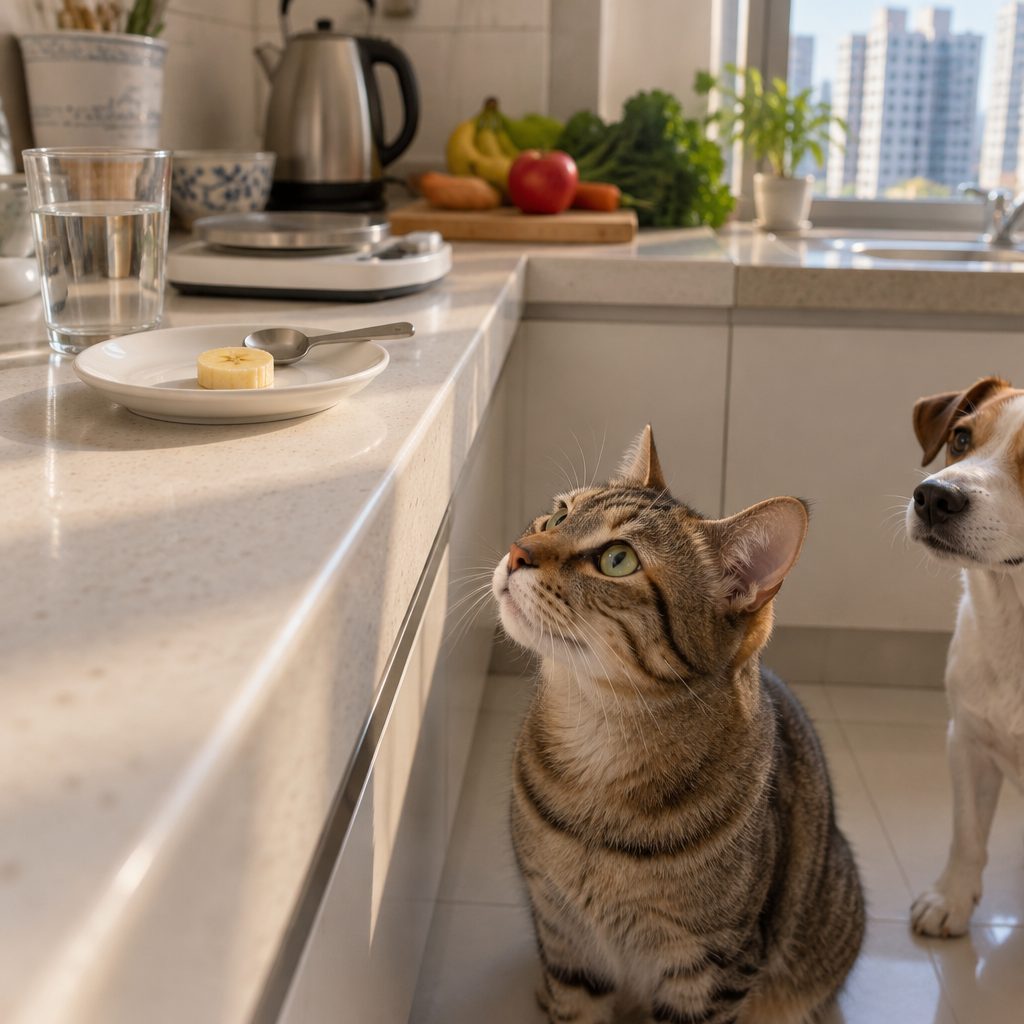
The safety rule for feeding cats and dogs fruit and vegetables is "peel, de-stone, chop small, keep it plain, keep it small": bananas, mangoes, pumpkin, carrots and beetroot can be fed in small amounts by body weight; avocado skin and stone, jasmine, peony, citrus essential oils, sports drinks and all foods containing sweeteners must not be fed.
Quick answers
- Can be fed in small amounts: peeled, de-stoned ripe banana and mango flesh; washed and cut cranberries and strawberries; steamed pumpkin; boiled, finely chopped carrots and a little cooked beetroot; peeled, de-stoned pear.
- Never feed: avocado skin, leaves and stone; the whole jasmine and peony plant; citrus peel, leaves and essential oils; any human food containing sweeteners, caffeine, alcohol or chocolate.
- Portions should be adjusted to body weight and health status; treats should not exceed 10% of daily calories, and sugary fruit should be only a small part of that.
- Sweet-smelling breath, drooling, seizures, unsteady walking and lethargy are poisoning warning signs — seek veterinary care at once; ethylene glycol can damage the kidneys very quickly and is an emergency.
- After any accidental ingestion there is only one rule: do not induce vomiting yourself, contact the veterinarian immediately, and have the packaging, approximate amount and time of exposure ready.
Key points
- The shared risk of bananas, mangoes, pineapple and pumpkin is sugar, fibre and processing additives, not "toxicity"; peel, de-stone, chop small and give one or two small pieces at a time — that is the safety boundary.
- Avocado contains persin, with the highest levels in the skin, leaves and stone, and the stone can also cause choking and intestinal blockage, so the focus is on preventing access, not on "cutting it away and feeding the rest".
- Jasmine and peony are household plant risks; the leaves, flowers and essential oils should not be treated as harmless, and because cats have a limited ability to metabolise essential oil compounds, diffuser products should also be kept away from cats' areas.
- Ethylene glycol tastes sweet and is a high-risk source of rapid kidney damage after pets lick it; abnormal sweet breath or breathing followed by a decline in condition is an emergency.
- Sports drinks, caffeine, chocolate, sweeteners and high-fat fried food are all human-food risks, and none of them can be justified with "just a little".
- For any accidental ingestion, the veterinarian needs to know "what was eaten, how much, at what time, the pet's weight and current symptoms", so do not throw the packaging away.
Bananas, mangoes, pineapple and pumpkin: how much can a cat or dog have each day?
Banana: the flesh can be fed occasionally in small amounts, but ripeness affects the risk. Unripe bananas contain more resistant starch, which is harder to digest and more likely to cause gas; very ripe bananas are high in sugar, so pets that need weight control or have diabetes should avoid them. For a 10 kg dog, about 1 to 2 slices around 1 cm thick at a time is enough, and a cat should have only one or two small slices; small animals need less still. Banana peel is not recommended: besides being hard to digest, it may carry pesticide residue, so "eating it with the peel" is not a safe approach. Banana chips, dried banana, banana cake and banana bread are usually sweetened and should never be fed.
Mango: feed only ripe flesh, peeled, de-stoned and cut into small pieces. Mango skin contains irritant compounds, and contact with the mouth or skin can cause redness and itching in cats and dogs; the stone is large and hard, and besides the choking risk, swallowing it can block the intestine, so it must always be removed. Mango is high in sugar, so one or two small pieces is enough, and it should not be fed on the same day as other sweet treats. If the pet's mouth reddens or itches after mango, stop feeding and ask the veterinarian.
Pineapple: a small amount of fresh pineapple flesh is generally not toxic; it contains vitamin C and dietary fibre, as well as bromelain. But precisely because of the enzyme, pineapple can irritate the mouth and skin, and its sugar and acidity can upset the stomach. Canned pineapple, pineapple juice and dried pineapple are usually sweetened and should not be fed. Remember: pineapple is not an essential food for cats, and should not be fed deliberately to "top up nutrition".
Pumpkin: steamed or baked, mashed, with no sugar or spices, it is a relatively safe source of fibre; for a 10 kg dog, 1 to 2 teaspoons once a day is enough, and for a cat under 1 teaspoon. Common adverse reactions to too much pumpkin include loose stool, diarrhoea, gas, abdominal discomfort and changes in stool colour, and over time it can push calories over target and distort the nutrient balance. Raw pumpkin is not suitable to feed directly because it is harder to digest. If you have had to rely on pumpkin mash for bowel movements for several days, have the veterinarian check the cause first rather than continuing to add it long term — for details see Cat constipation: management and daily prevention.
| Food | Part that can be fed | Reference per day for a 10 kg dog | Cat | Main risks |
|---|---|---|---|---|
| Banana | Peeled ripe flesh, thinly sliced | 1 to 2 slices | One or two small slices | High sugar, unripe banana hard to digest, peel not fed |
| Mango | Ripe flesh, peeled, de-stoned, chopped small | 1 to 2 small pieces | One or two small pieces | Skin is irritant, stone can choke or block, high sugar |
| Pineapple | Fresh flesh, chopped small | 1 to 2 small pieces | One or two small pieces | Enzyme irritates mouth, high acidity, canned products sweetened |
| Pumpkin | Steamed and mashed, no sugar or spices | 1 to 2 teaspoons | Under 1 teaspoon | Excess causes loose stool and diarrhoea, must not be raw, not a laxative |
| Cranberry | Fresh fruit, washed and cut | 2 to 3 berries | One or two berries | Juice and dried fruit sweetened, high acidity |
| Pear | Peeled, de-stoned flesh, chopped small | 1 to 2 small pieces | One or two small pieces | High fructose, core and seeds contain cyanogenic compounds, choking risk |
These portions are general references; in practice adjust for the pet's age, weight, other treats that day and health status. International guidance stresses the same principle: the WSAVA Global Nutrition Guidelines recommend that treats should not exceed 10% of daily calories, and that every pet should have a regular nutritional assessment (https://wsava.org/global-guidelines/global-nutrition-guidelines/).

Cranberries, pears, beetroot, carrots and apples: which vegetables suit cats?
Cranberry: fresh cranberries contain antioxidants such as anthocyanins and are generally considered helpful for urinary tract health, which is why they often appear in pet supplements. However, cranberry juice, dried cranberries and cranberry sauce are usually sweetened, and some contain raisins, so they must never be fed. Fresh berries should only be washed, cut and given one or two at a time, and must not replace a veterinarian's prescription as a supplement.
Pear: pear does not suit senior cats in every state of health. Peeled, de-stoned flesh cut into small pieces is generally fine occasionally for healthy adult cats and dogs in one or two small pieces; but it is high in fructose, so senior cats with diabetes, a history of pancreatitis or a need for weight control should avoid it. Pear cores and seeds contain cyanogenic compounds that release small amounts of cyanide when chewed, so they must always be removed; pear flesh is crisp, and cutting it small reduces the choking risk.
Beetroot: a small amount of boiled beetroot with no salt or seasoning is not toxic and contains dietary fibre and natural pigments. However, beetroot is fairly high in sugar and contains oxalates, so it may not suit pets with a history of stones or kidney disease; canned beetroot, beetroot juice and pickled beetroot are usually sweetened and salted and must not be fed. For cats, beetroot provides no essential nutrients, so it is not recommended as a daily vegetable, and it should not be fed every day just because it is "natural".
Carrot: boiled and finely chopped, or cut into thin strips, carrot can be fed in small amounts; it contains beta-carotene and fibre, and dogs can get satisfaction from chewing it. Note that it should be cut into strips rather than round slices, as round slices and hard chunks are a choking risk for small animals. If a dog vomits or has diarrhoea after eating carrot, stop feeding at once, watch its energy and stools, and consult the veterinarian rather than "trying again to see". Persistent vomiting, bloody diarrhoea or a hard, swollen abdomen means seeking veterinary care at once.
Apple: the flesh can be fed in small amounts and contains dietary fibre, but it must be cut into small pieces. The skin itself is not toxic, but it may carry pesticide residue and is harder for small pets to digest, so peeling is recommended; apple seeds contain cyanogenic compounds and must all be removed, and the core, stem and leaves should not be fed. For a detailed fruit safety list see Cat safe fruit portion chart.
Strawberry: washed, de-stemmed, de-leafed, cut and plain with no sugar, it is a fruit dogs can have occasionally. Dried strawberries and strawberry jam are usually sweetened and must not be fed. For a first taste give only one or two small pieces and watch for vomiting, loose stool or itching around the mouth for 24 hours; if the pet has a history of food sensitivity, see Cat and dog itchy skin and allergy guide.
Avocado: avocado contains persin, at its highest concentration in the skin, leaves and stone, and the stone is large and hard, so besides toxicity it can cause choking and intestinal blockage — the avocado stone is not merely "harmful" to cats and dogs, it is a foreign-body risk. The most practical prevention is: do not leave avocados on low cupboards or table edges; put the stone and skin straight into a lidded bin after cutting; do not let pets play with the stone as a toy; and put away salad and sauce leftovers immediately. After accidental ingestion do not induce vomiting yourself; contact the veterinarian at once and bring the remaining parts and packaging.
| Food | Can cats eat it? | Can dogs eat it? | What to watch for |
|---|---|---|---|
| Cranberry | Small amounts of fresh fruit, one or two berries | Small amounts of fresh fruit | Juice, dried fruit and jam are sweetened; not a substitute for supplements |
| Pear | Healthy cats only, peeled, de-stoned, chopped small | Small amounts | Avoid in senior cats with diabetes or a history of pancreatitis; core and seeds contain cyanogenic compounds |
| Beetroot | Not recommended as a daily vegetable | Small amounts, boiled and unseasoned | High sugar and oxalates; canned and pickled products not fed |
| Carrot | Small amounts, boiled and chopped small | Yes, cut into thin strips | Round slices choke easily; stop and consult the veterinarian if vomiting or diarrhoea follows |
| Apple | Small amounts of flesh, peeled and de-seeded | Small amounts | Seeds contain cyanogenic compounds; core, stem and leaves not fed |
| Strawberry | Small amounts, washed and cut | Yes, washed and de-stemmed first | Dried strawberries and jam are sweetened; first taste only one or two small pieces |
| Avocado | Not fed | Not fed | Skin, leaves and stone contain persin; the stone also risks choking and blockage |
For which vegetables suit cats and which to avoid, remember three rules: 1. boiled, plain, chopped small; 2. treats only, never a substitute for complete food; 3. avoid allium vegetables (onion, garlic, chives, spring onion) and potato sprouts entirely. Spinach and rhubarb leaves are also not recommended because of their high oxalate content. For the full risk classification see Complete list of toxic foods for cats and dogs and Can cats and dogs eat human food? A three-category list.
What risk do jasmine, peony and citrus essential oils pose to cats?
Jasmine: the whole jasmine plant is a risk to cats, and the flowers and leaves contain volatile essential oils and irritant compounds. Ingestion can cause drooling, vomiting, diarrhoea and lethargy, and jasmine essential oil, aromatherapy sprays and diffuser products carry a clearly higher risk. As for whether the scent can cause breathing difficulty, the answer needs separating: ordinary indoor-level floral scent is not in itself poisoning, but cats have a limited ability to metabolise essential oil compounds, and in a closed space, over a long time or at high diffuser concentration, it can cause respiratory irritation, drooling, a decline in condition and even neurological signs. So essential oils should not be used to "repel cats", because the pet cannot get away and the concentration only builds up.
Peony: peony (flowers and leaves) is likewise a household plant risk. People often ask "how much causes digestive upset", but in practice there is no recognised safe amount to refer to, and the risk depends on body weight, the part eaten and whether essential oils were also involved, so the question should not be measured in "how many grams" but answered by simply not planting it where cats can reach.
Citrus: the peel, leaves, stems and essential oils of lemon, orange, mandarin, grapefruit, pomelo and lime contain irritant compounds and pose a clearly higher risk to cats. Long-term exposure risks include: contact dermatitis after the skin touches peel oils (most often around the mouth, chin and front paws); repeated small intakes as the cat grooms, building up to digestive upset and a decline in condition; and risk when pets lick a table wiped with a citrus-scented cleaner. So no citrus plant can be considered "safe for cats", and even ornamental potted citrus should be kept away.
Natural spices such as cinnamon and clove: cinnamon, clove, nutmeg and eucalyptus contain compounds such as eugenol, and cats have a limited ability to metabolise them, so even "natural" or "organic" products are high risk. Any fibre supplement, health product or homemade treat containing spices should therefore not be given on your own; if a supplement is needed, the veterinarian should recommend it for the individual case. For plant lists see Common toxic plant list and Household poisoning risks overview.
| Plant/product | High-risk parts | Main risks to cats | Prevention |
|---|---|---|---|
| Jasmine | Flowers, leaves, essential oil, diffuser products | Drooling, vomiting, diarrhoea, lethargy; high-concentration diffusers can irritate the airways | Keep out of cats' reach; do not use essential oil diffusers to "repel cats" |
| Peony | Flowers, leaves | Digestive upset; no recognised safe amount | Avoid planting altogether; use physical barriers |
| Citrus | Peel, leaves, stems, essential oil | Contact dermatitis, digestive irritation, decline in condition | Bin peel immediately; wipe tables with water after cleaner |
| Cinnamon, clove and other spices | Powders, essential oils, supplement ingredients | Limited metabolism in cats, cumulative digestive and neurological irritation | Do not give spices or spiced supplements on your own |
| Avocado | Skin, leaves, stone | Persin toxicity; the stone also risks choking and blockage | Do not leave on table edges; bin stone and skin in a lidded bin immediately |

What does sweet-smelling breath in a cat warn of? How dangerous are ethylene glycol, sweeteners and sports drinks?
Ethylene glycol: ethylene glycol is an ingredient in garage antifreeze, some industrial solvents and certain cleaning products, and it tastes sweet, so pets lick it willingly. Poisoning rapidly damages the kidneys; early signs can include abnormally sweet breath or breathing, vomiting, unsteady walking, noticeably increased drinking and urination, and a decline in condition, which may then worsen rapidly. So "sweet-smelling breath" is not a minor problem to watch for a few days but a warning sign requiring immediate veterinary care: do not wait for obvious symptoms, and do not induce vomiting yourself, because ethylene glycol damage accumulates with time.
Sugary treats and human desserts: sugar itself sends weight and blood sugar out of control, and human desserts carry other risks too — chocolate contains theobromine and caffeine, raisins damage the kidneys, alcohol affects the central nervous system, and the sweetener xylitol is toxic to dogs. The safest approach is to feed no human desserts at all and use pet-specific treats instead.
Sports drinks: sports drinks are high in sugar and sodium, and some contain caffeine and artificial ingredients. For cats and dogs these drinks are not "hydration" but can cause electrolyte imbalance, digestive upset and a faster heartbeat, and in serious cases affect the nerves and heart. Everyday drinking water is enough, and sports or energy drinks should not be fed to pets.
High-fat and fried food: these are a common trigger of pancreatitis in pets. After eating them a cat may show abdominal pain, seen as a hunched belly, not letting you touch the abdomen, repeated vomiting, poor appetite and lethargy. This is not something "aids digestion" can solve; seek veterinary care at once.
| Poisoning source | Common examples | Early warning signs | Emergency response |
|---|---|---|---|
| Ethylene glycol | Antifreeze, some industrial solvents, cleaning products | Sweet breath or breathing, vomiting, unsteady walking, increased drinking and urination | Treat as an emergency, go to the veterinarian immediately, do not induce vomiting yourself |
| Chocolate, caffeine | Chocolate, coffee, tea, energy drinks, some painkillers | Fast heartbeat, excitement or seizures, vomiting, raised temperature | Note the type and amount, contact the veterinarian at once |
| Sweeteners (xylitol) | Sugar-free gum, sugar-free sweets, baked goods | In dogs can cause low blood sugar, unsteadiness, seizures | Treat as an emergency, seek veterinary care at once |
| Sports drinks, high-salt foods | Sports drinks, energy drinks, processed snacks | Vomiting, diarrhoea, lethargy, abnormal drinking | Offer water, do not induce vomiting yourself, ask the veterinarian at once |
| High-fat fried food | Fried food, fatty meat, butter products | Abdominal pain, hunched belly, repeated vomiting, poor appetite | Stop feeding; seek veterinary care if vomiting persists |
| Formaldehyde releasers | Some cleaners, adhesives, preservatives, new furniture boards | Eye and skin irritation, drooling, coughing, lethargy | Leave the area, open windows, rinse contacted areas with water |
What should I do if my cat eats chocolate or caffeine, or contacts formaldehyde products?
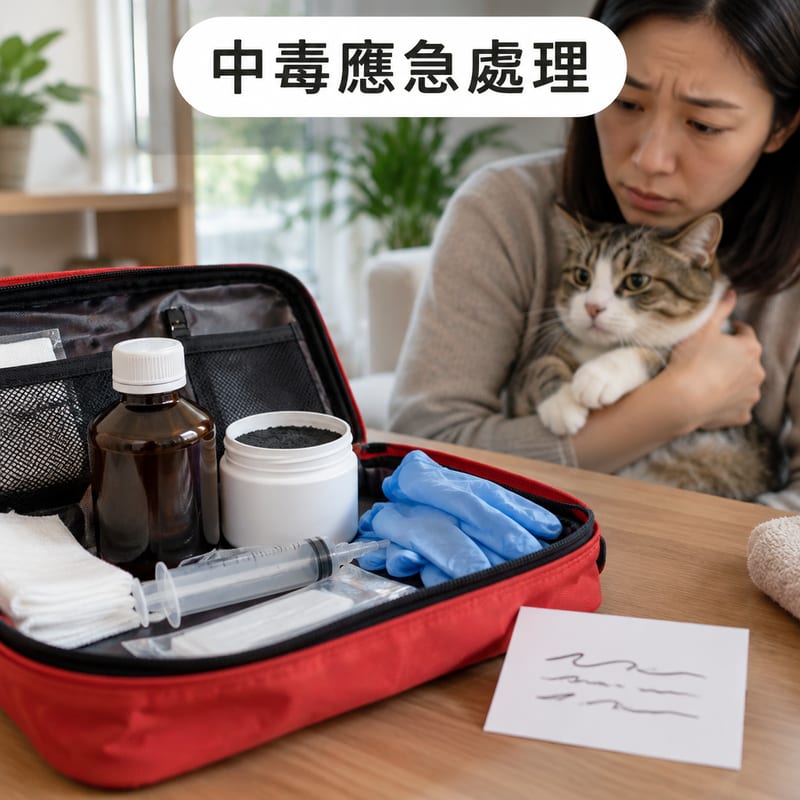
Whether the accidental ingestion is chocolate, caffeine, ethylene glycol or contact with a formaldehyde releaser, the principles are the same:
- Separate immediately: move the remaining food, packaging, product and vomit away from the pet so it cannot eat or lick them again. Do not pour water or milk in to "wash it out".
- Do not induce vomiting yourself: inducing vomiting can cause secondary harm, such as chemical burns to the oesophagus or scratches from sharp objects. Whether to induce vomiting must be decided by the veterinarian.
- Do not give medication, oil or activated charcoal yourself: these can interfere with the veterinarian's assessment and treatment.
- Call the veterinarian or a 24-hour emergency clinic at once: state clearly "what was eaten, roughly how much, at what time, the pet's approximate weight and current symptoms".
- Formaldehyde or gas exposure: leave the area first and move the pet to a ventilated place, and people should also avoid prolonged inhalation; if skin is contaminated rinse with water, and if eyes are affected do not rub — seek veterinary care at once. Bring the product label or packaging so the veterinarian can identify the ingredients.
- Care on the way: keep the pet quiet and warm, and watch breathing, consciousness and gum colour. If the pet has a seizure, difficulty breathing or loses consciousness, leave immediately.
To keep the stomach settled, the most practical approach is pet-specific food and treats rather than human food. Examples worth considering:
- Petio cat treats original flavour freeze-dried chicken breast pieces 15g — HK$18.0. Prices and stock are subject to the live price shown in the online shop.
- Petio dog treats completely additive-free original flavour freeze-dried chicken breast pieces 27g — HK$38.0. Prices and stock are subject to the live price shown in the online shop.
- Royal Canin veterinary diet Royal Canin cat food RENAL+MOBILITY adult cat kidney + joint prescription 2kg — HK$319.0. Prices and stock are subject to the live price shown in the online shop; prescription diets must be used after veterinary assessment.
In addition, iCatCare (ISFM) notes that some household plants and flowers are potentially toxic to cats and that a veterinarian should be consulted promptly after exposure (https://icatcare.org/articles/poisonous-plants); the AVMA also reminds owners to watch shelf life and cross-contamination when handling pet food and treats (https://www.avma.org/resources-tools/pet-owners/petcare/safe-handling-pet-food-and-pet-treats). The Hong Kong Agriculture, Fisheries and Conservation Department's animal management information also advises owners to provide clean drinking water and proper care for their pets (https://pets.gov.hk/tc_chi/proper_care_of_pets/dogs/proper_care.html).
When to see the veterinarian immediately
In the following situations do not wait — take the pet to a veterinary clinic or 24-hour emergency clinic at once:
- Abnormal sweet breath or breathing, or suspected licking of antifreeze, industrial solvents or cleaning products.
- Accidental ingestion of chocolate, caffeine, sweeteners (xylitol), raisins or any food containing alcohol.
- Accidental ingestion of avocado skin or stone, or a fruit stone or hard object, with difficulty breathing, drooling or retching without bringing anything up.
- Persistent vomiting, abdominal pain with a hunched belly, or a hard, swollen abdomen that the pet will not let you touch after high-fat or fried food.
- Drooling, vomiting, skin redness or unsteady walking after contact with jasmine, peony, citrus essential oil or spiced supplements.
- Eye or skin irritation, coughing or lethargy after contact with formaldehyde releasers or cleaning product fumes.
- Any pet with seizures, rapid breathing, loss of consciousness, abnormal temperature, pale gums or no response at all.
This article was reviewed by the PetChill veterinary editorial team. The content is for reference only and cannot replace veterinary diagnosis, prescription or treatment.
Further reading
- Complete cat and dog nutrition guide: complete food, treats and weight management
- Fruit and vegetable feeding safety for cats and dogs: taboos and nutritional value (Part 2)
- Cat safe fruit portion chart
- Complete list of toxic foods for cats and dogs
- Causes of vomiting in cats and how to handle it
- Guide to caring for cats with chronic kidney disease
- Complete guide to cat and dog digestive health
Veterinary warning: in an emergency, contact the veterinarian immediately; this article is for reference only and cannot replace veterinary diagnosis. Information checked as of 2026-10-14 · Source: PetChill editorial team
 Royal Canin full guide →
 Fuji One full guide →


 Petio full guide →

