Quick answer: Dachshund prices in Hong Kong generally range from a few thousand to over ten thousand dollars, depending on channel, coat type and size; adoption costs much less but requires queuing and screening. Whether buying or adopting, do not skip any of the four steps: check the licence, see the mother dog, verify microchip and vaccination records, and sign a health agreement.
Want to learn more about dachshunds? Continue reading the series below.
1. Dachshund Prices in Hong Kong: How the Market Is Tiered
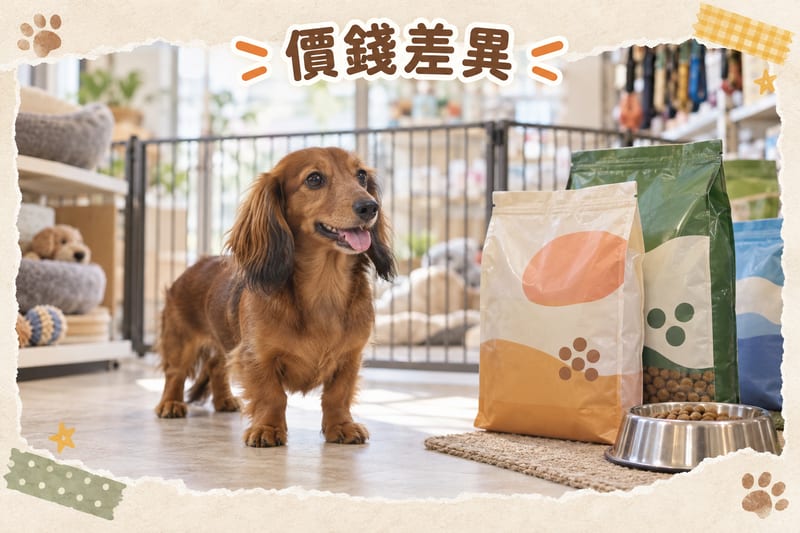
Behind searches for "dachshund price" or "dachshund cost", the real questions are "what is a reasonable price" and "which channel can be trusted". Below is a general observation of the Hong Kong market (not a quotation promise, for budget reference only), with price ranges and sourcing methods together:
For a complete guide to spine protection, weight control and lifespan management, see the Dachshund Breed Guide.
| Purchase channel category | Market price range (general observation) | How the range is derived | What to verify before handover |
|---|---|---|---|
| Pet shop retail | About $6,000–20,000 | On-site price enquiries, in-store price tags | AFCD animal trading licence number |
| Individual breeder / kennel | About $10,000–30,000 or above | Direct enquiries, breed club lists | See the mother dog, parents' genetic screening records |
| Online platform transfer | Fluctuates, generally lower than retail | Observation of public posts | Highest risk; do not transfer money without seeing the dog |
The main variables affecting price are four: size (miniature dachshunds are in high demand, with the most obvious premium), coat type (long-haired supply is smaller, generally slightly more expensive for comparable individuals), colour (cream, dapple and other rarer colours carry a premium but often come with skin and eye risks), and pedigree documents (individuals with parents' screening records cost more, but certificates do not guarantee health). Two common pitfalls: first, "teacup dachshunds" — not a breed standard at all; abnormally small puppies are often inherently weak; second, "deposit required without seeing the dog" — being asked to transfer money before seeing the mother dog or the actual environment is extremely high risk. Remember: a high price does not equal health, and a pedigree certificate will not pay for a slipped disc.
2. Price Differences Between Long-Haired, Short-Haired and Miniature Dachshunds
Three coat types (short-haired, long-haired, wire-haired) times two sizes (standard, miniature) give common combinations each with their own price differences; the following is only general market observation, and actual transaction prices are affected by season, supply and demand, and individual condition:
- Short-haired dachshund price: Most supply, generally closest to the entry price, and also the most common type in Hong Kong.
- Long-haired dachshund price Hong Kong: Demand is concentrated; coat volume is medium but requires regular grooming; comparable individuals are generally slightly more expensive than short-haired.
- Miniature dachshund price: Small size, sought after by apartment families, the premium is usually the largest; when you see an "ultra-small" premium, ask clearly about health status first.
Even within the same litter there can be price differences (size, colour and sex all matter), so do not use a single number to judge the market price. A practical approach is to enquire with two or three channels separately, cross-check with the sourcing methods above, use the median for budgeting, and add 10% for flexibility.
3. Dachshund Adoption in Hong Kong: Routes and Application Steps
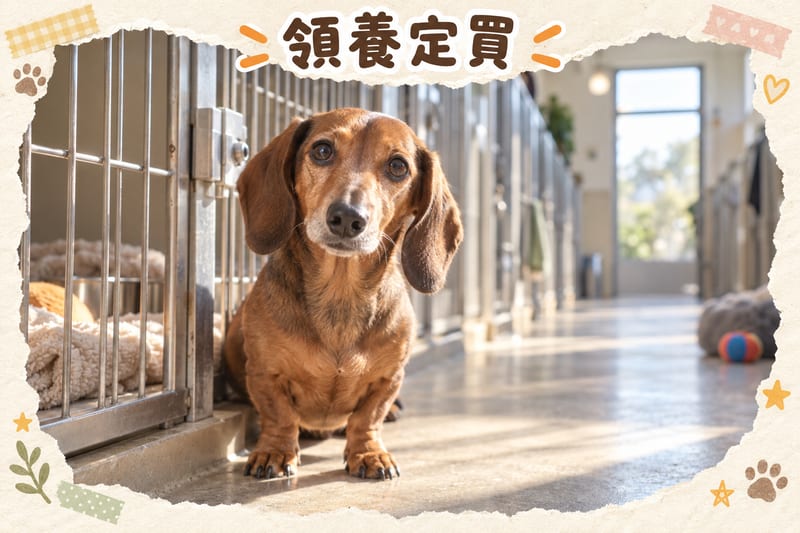
Adoption does not involve a dog purchase price, generally only application and administrative procedures; the financial barrier is much lower, but it requires time and patience. Feasible routes: SPCA adoption services, where animals are mostly already neutered with vaccinations and microchips in place; civilian shelters such as HKDR; and breed rescue volunteer networks — searching "dachshund rescue Hong Kong" on social platforms can find dedicated groups; dachshunds are occasionally surrendered due to spine problems or relocation. The process is broadly similar: submit an application form, home and time assessment, arrange a meeting, sign an adoption agreement, complete microchip transfer. Be mentally prepared: good organisations will screen you — if they feel your housing, working hours or budget do not match, being screened out is actually responsible towards both you and the dog. Purebred dachshunds are hard to come by and waiting periods are long; also consider mixed-breed individuals, which greatly increases the chance of a successful match.
4. Six Steps to Verify Before Buying a Dog (Print and Stick on the Wall)
- Licence: Check whether the seller has an animal trading licence issued by the Agriculture, Fisheries and Conservation Department; ask to see the number.
- Environment and mother dog: Visit the breeding environment on site; the mother dog being alert and in normal physical condition is the minimum requirement.
- Health documents: Verify vaccination, deworming records, microchip number and registered owner details one by one.
- Ask directly about genetics: Intervertebral disc disease (IVDD), eyes and knees — whether parents have relevant screening records; a reputable breeder will not avoid the topic.
- Written agreement: Health guarantee period, return/exchange terms, neutering requirements — put it all in writing.
- Age in weeks: Do not take home puppies under eight weeks old; leaving the mother too early affects behavioural development.
5. Monthly Expense Estimate (Dachshund Version)
| Item | Monthly reference | Notes |
|---|---|---|
| Dry food / wet food | $600–1,200 | Measured feeding; dachshunds gain weight easily |
| Treats + puzzle toys | $150–300 | Hunting dogs need mental stimulation; skimping here leads to destruction |
| Parasite prevention (fleas, mites) | $150–300 | Hong Kong's hot and humid climate makes this a year-round item |
| Grooming / beauty supplies | $100–300 | Long-haired needs detangling combs |
| Consumables (pee pads etc.) | $100–200 | — |
| Monthly total | About $1,100–2,300 | Plus annual vaccinations, health checks, boarding |
Remember to leave a column for one-off expenses: spine-protecting ramp, non-slip mats, harness. For this breed, buying cheap but failing to set up home protection means one back injury can wipe out the entire price difference. Annual items spread out over the year make the accounts realistic.
6. Adopt or Buy? Three Questions to Decide
One, can you accept "not knowing the puppy years"? Adopted dogs have established personality, size and coat colour; the upside is skipping the destructive puppy stage. Two, do you have time for behavioural rehabilitation? Rescue dogs may come with habit issues and need a few months of patience. Three, do you have a strong emotional attachment to "a puppy growing up with me from the start"? If so, going to a reputable breeder is the right path; do not choose the cheapest channel to save money. The criterion is not which is nobler, but which matches your life. One more Hong Kong-specific reality: dogs over three months old must be licensed and microchipped by law; the few hundred dollars a year in compliance costs is often missed by beginners, so remember to put it in the last column of your budget sheet; before renting or buying a flat, also check whether the building's deed of mutual covenant restricts dog ownership. Buy food, bowls, crate and pee pads two weeks before bringing the dog home, so the new environment is stable from the first night.
Related Reading
- Dachshund Hong Kong Keeping Guide: Legislation, Climate and Home Care
- Dachshund Intelligence and Personality Analysis
- Dachshund Disadvantages: Full List and How to Cope
- Dachshund Lifespan and Health Guide
- PetChill Pet Supplies: measuring bowls, spine-protecting ramps, harnesses and new puppy home essentials — get everything ready before bringing your new dog home
 Fuji One full guide →