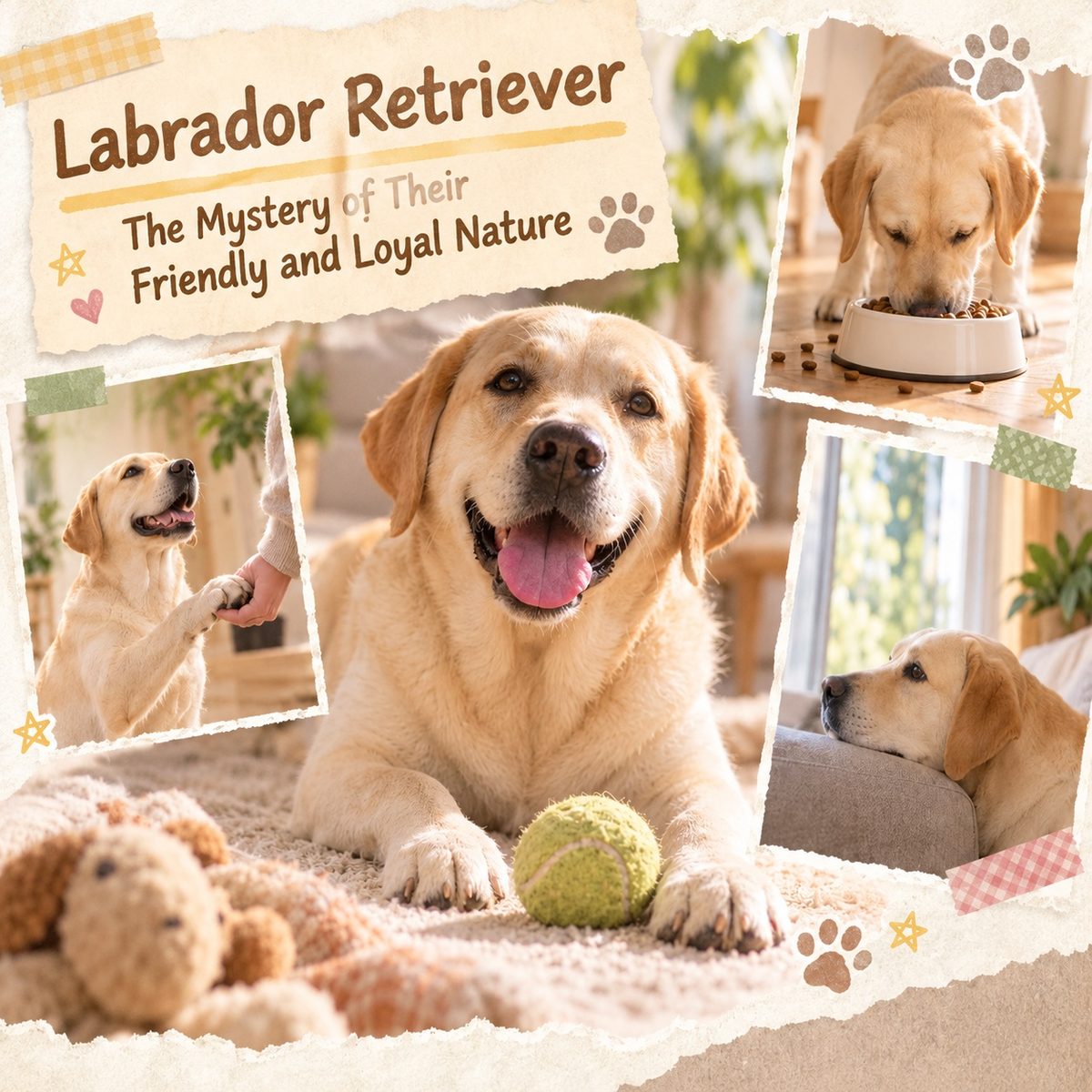
Quick answer: The Labrador is the classic people-oriented, food-driven, fast-learning, high-energy dog: in rankings of dogs' working intelligence it usually places in the top ten, is highly obedient but needs consistent training; it is friendly to children, with drawbacks being jumping up, shedding and only average ability to be left alone. Before choosing one, put 'time for companionship' ahead of 'cuteness'.
Want to know the Labrador inside out? Start with the Labrador breed profile.
1. How to read intelligence rankings: smart does not equal obedient
When people talk about 'Labrador intelligence', most refer to the dog intelligence ranking by American scholar Stanley Coren, which is based on working obedience; Labradors are consistently within the top ten. The breed standards of the UK Kennel Club and the American AKC also list friendly, trainable and not shy as core Labrador traits. But it must be interpreted clearly: these rankings measure 'the speed of learning commands', not 'the degree of obedience'. Labradors learn quickly, and they also quickly learn whose commands come with benefits — so consistency in training matters far more than the number of commands: if the same 'no' is allowed today and forbidden tomorrow, what the Labrador learns is not the rule but to test the boundaries.
2. Personality profile: five key words
| Trait | Behaviour | Response |
|---|---|---|
| People-oriented and clingy | Follows you from room to room, seeks companionship, easily bored when alone | Gradual alone-time training + tiring them out before leaving |
| Food-driven | Picking at food, raiding bins, begging as a skill | Regular measured meals, food put away, anti-scavenging training |
| Fast learner | Masters new commands after few repetitions | Positive training, avoid hitting or scolding which damages trust |
| High energy | Like a puppy before two years old | At least one hour of exercise daily + scent games |
| Low alertness | Treats everyone as a friend, follows strangers | Do not rely on them for guarding the home; door discipline always rests with people |
3. Getting along with children and other pets
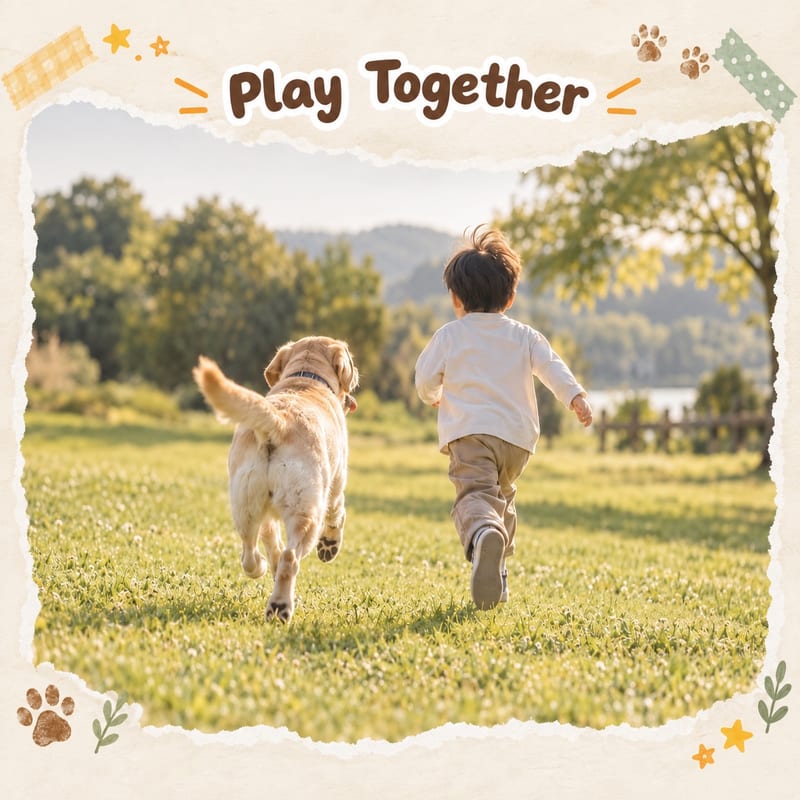
Labradors have long been listed among breeds with high tolerance for children, and their ability to tolerate physical contact is strong — the accidental tolerance window for a child pulling ears or hugging the neck is much larger than with small dogs, which is precisely why many families choose them. But two bottom lines should not be blurred: first, jumping up — a large dog half a person's height can knock a young child over with a gentle jump, so train 'sit to greet' from an early age; second, food and toy guarding — even the gentlest dog can be a risk if pulled at while eating. Regarding getting along with other pets in the home, the Labrador's hunting drive is low after selective breeding, and they generally get along well with other dogs, but introducing a new member should still be done gradually. All interactions should be supervised by an adult.
4. Male-female differences and stage changes: a balanced view
It is generally thought that male Labradors have a larger frame and are outgoing and sociable; females are relatively more mature and have more stable focus. But it must be emphasised: individual differences are far greater than sex differences; within the same litter there are both quiet and active individuals. What is more worth noting is the stage curve: from six months to two years is the peak of energy and the teething and exploration period, when chewing and jumping up are concentrated; after two years most become noticeably calmer, and their attention span during training lengthens. Both research and clinical experience support: the quality of positive experiences during the socialisation window (around three to sixteen weeks of age) plays a very large role in shaping adult personality — puppies that have encountered different people, sounds, surfaces and dogs show noticeably fewer fear reactions as adults — the return on investment during this period will be collected every month for the next ten years.
5. Three interaction tips: put their intelligence to good use
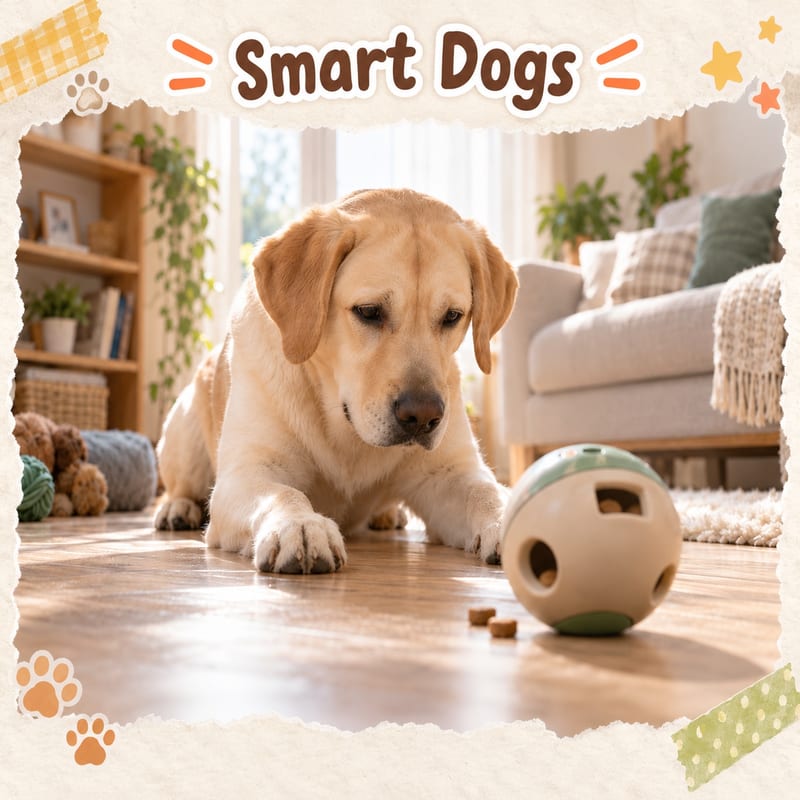
- Use their brain to tire them out: snuffle mats, food puzzle toys, simple skill training — fifteen minutes of mental activity is more calming than half a day of aimless running; this is the consensus in the behavioural science community, and is especially effective for high-drive breeds like the Labrador.
- Rules consistent across the whole family: if they are not allowed on the sofa, then no one allows it; rules that are not allowed today but allowed tomorrow are no rules at all; Labradors are born 'boundary-testing specialists', and if one person gives in, what they learn is not obedience but opportunism.
- Food management from day one: food drive is a breed characteristic, not a bad habit; feed with a measuring cup, secure the bin, refuse table scraps — weight control is the first lesson in Labrador health.
- Cool down the greeting ritual: if the dog excitedly jumps up every time you come home, turn away and give no reaction first, and only pet them when all four paws are on the ground — your own 'calm' is the best teaching material; greeting them five minutes after coming in makes it easier to build a calm personality than hugging them excitedly the moment you return.
6. Hong Kong-style socialisation in practice and behavioural red flags
The socialisation window (around three to sixteen weeks of age) is perfect for fitting into Hong Kong's pace of life: daily short 'street observation sessions' — standing in the lift lobby, at MTR station entrances, beside the wet market, letting the puppy quietly watch the world, builds more confidence than half a day of aimless walking. On the schedule, only gradually go to public places after the second vaccination is complete; before that, you can use a carrier bag or pet stroller to take them out to see the world, or arrange meetings with healthy vaccinated dogs in a private space. There is a trick to choosing environments: avoid midday scorching asphalt and the noise level of Mong Kok streets in midsummer, and instead use early morning parks and indoor pet-friendly venues; wetland smells are a natural reward for retrievers and worth a special trip. Also recognise bloodline differences: working (Field) Labradors are generally leaner, with noticeably higher drive and energy; show (English Pet) lines have heavier bone and a steadier pace — the impact of this difference on matching a lifestyle is often greater than male-female differences, so ask clearly which line the parents come from before choosing a dog. Finally, the red flag list: persistent separation howling, repeated growling or avoidance towards people or dogs, 'food-guarding and biting' at any stage — do not hope that 'they will grow out of it'; the earlier the intervention, the larger the correction window; the order of handling such problems is always to first have a veterinarian rule out pain or illness, then behavioural training.
7. Who is best suited to a Labrador
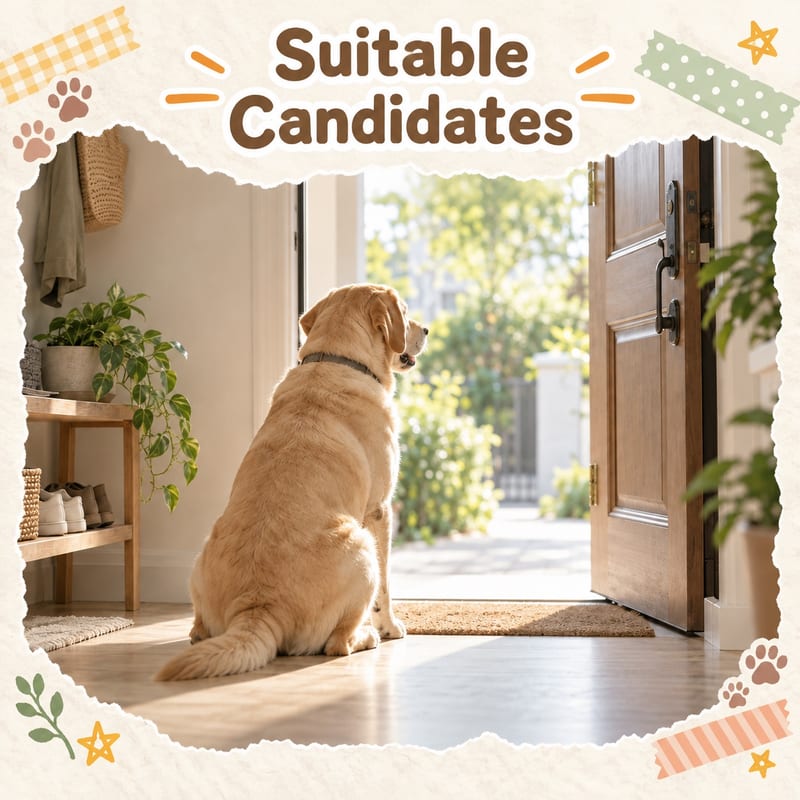
In summary, Labradors are best suited to: families with regular outdoor time, novice owners willing to train long-term (they are one of the most 'worth teaching' breeds), and households with children where interaction rules can be enforced. Relatively unsuitable: households where no one is home for long periods each day, households consisting mainly of solitary elderly people with limited physical ability, lifestyles expecting 'no exercise or training at all', or zero tolerance for shedding. A good personality does not mean low maintenance — this breed's friendliness has always been exchanged for time and discipline — understanding this equation will greatly reduce the psychological gap after getting one; also do not lower your standards just because 'they have a good personality'; precisely because they are smart and people-oriented, they are all the more worth teaching carefully, and all the less tolerant of being taught wrongly.
Key takeaways
- ✅ Intelligence rankings measure learning speed, not a guarantee of obedience; Labradors learn quickly and also know how to test boundaries
- ✅ Four key words: people-oriented, food-driven, fast learner, high energy — each has a response method
- ✅ Friendly to children but with a risk of jumping up; interaction must be supervised by an adult and rules set from an early age
- ✅ Sex differences are smaller than individual differences; the quality of experiences during the socialisation window determines personality more
- ✅ Mental exercise (scent work, food puzzles, skill training) is more calming than pure physical exertion
- ✅ Suitable for families with outdoor time and willingness to train; lifestyles with long periods alone at home should be chosen with caution
Related reading
- Labrador disadvantages and how to cope
- Labrador growth, weight and size explained
- Labrador Hong Kong keeping guide
- Food puzzle toys, snuffle mats, positive training treats, harnesses and recall whistles: visit PetChill pet supplies to help you put their intelligence to good use.
The behavioural descriptions in this article are general breed tendencies and do not constitute a guarantee of individual behaviour; if problem behaviours such as aggression or anxiety occur, please consult a registered veterinarian or qualified behaviour consultant.
 Wellness Core full guide →