

Quick answer: You can keep a Labrador in Hong Kong, but you must clear three hurdles: the building's deed of mutual covenant or public housing policy allows it, at least an hour of exercise a day, and heat and humidity management for the sticky climate. Licensing and rabies vaccination are legal duties. Get these four things right and your Labrador can be healthy and happy even in a small flat.
Want to know Labradors inside out? Start with the Labrador breed profile.
1. Check the law and the deed first: find out if you can keep a dog before you get one
The first step to keeping a dog in Hong Kong is not buying dog food; it is checking three things: the dog licensing system (dogs over five months old must be licensed and vaccinated against rabies by a registered veterinarian, with both renewed annually), the owner's legal duties (including laws on the proper care of dogs), and the restrictions of your home. Public housing tenants must check the Housing Department's current policy and application arrangements for keeping dogs; for private buildings, the deed of mutual covenant governs, and some buildings restrict dog weight, size or number — large breeds are the easiest to fall foul of these. If you rent, get the landlord's written consent before getting a dog to avoid disputes when you move out.
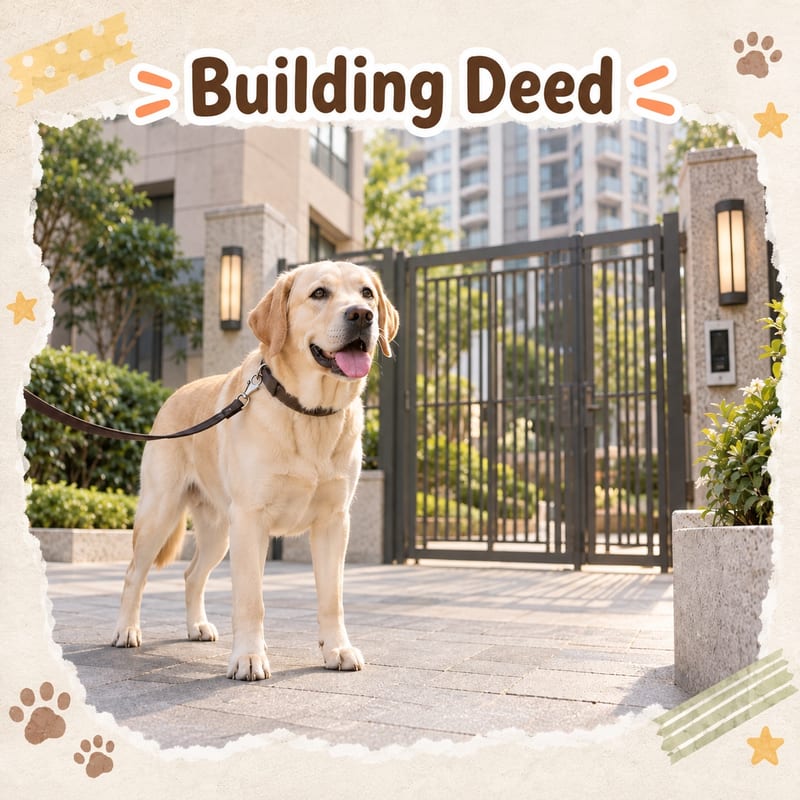
2. Small-flat survival guide: when space is short, routine fills the gap
Living space in Hong Kong is limited, so the way to cope with a large dog is to make the indoors a rest zone and the outdoors an activity zone:
| Item | Recommendation |
|---|---|
| Sleeping area | A fixed raised bed or dog bed, away from walkways and direct air-conditioning |
| Food and water area | Wash bowls daily; use a low stand for large dogs to reduce bending |
| Toilet arrangements | Go out at fixed times daily; puppy pads are only a temporary measure |
| Exercise | About 1 hour or more per day for adults, split into 2–3 sessions |
| Chews | Provide safe, durable chew toys so furniture does not become the substitute |
| Training | Cue-based training: settle, wait, off-leash manners to reduce accidents in public |
Key idea: a Labrador's destructive power comes from boredom, not a bad temperament. With enough exercise and sniffing stimulation, most are quiet couch potatoes in a small flat; conversely, a large dog without an outlet will use your furniture and walls to express its dissatisfaction.

Also, the responsibility of a large dog in shared spaces is a must-learn for owners: most MTR lines do not accept large dogs (except guide dogs and other working dogs), so plan routes and taxi arrangements in advance; markets and shopping malls are crowded, so go at off-peak times. Think through these daily details before getting a dog rather than discovering the difficulties afterwards.
3. Heat management: Hong Kong summers are a severe test for double-coated dogs
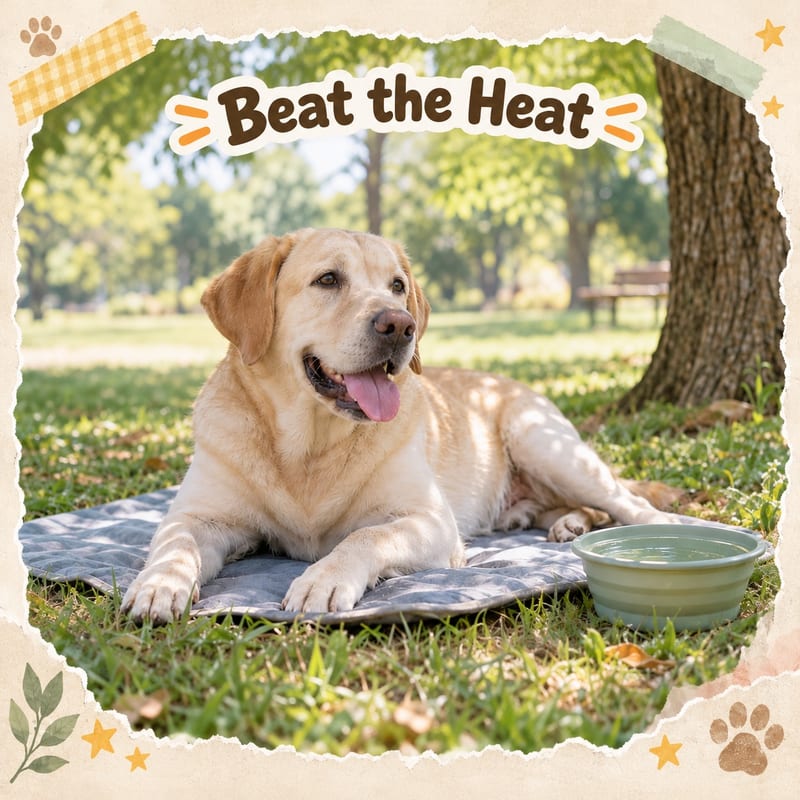
Labradors come from a cool climate that contrasts sharply with Hong Kong summers, and their love of exercise means "I didn't want to stop walking" is a common opening line in heatstroke cases. In practice, remember: ground temperature can hurt paw pads more than air temperature; midday asphalt can burn paws, so walk in the morning or after sunset. Provide shaded rest spots and cooling mats indoors, change drinking water often and add ice cubes; nail trimming should be on the summer list too — overlong nails change weight distribution and make walking on hot ground more uncomfortable. The most dangerous scenario is leaving a dog in a car parked in the sun — even with the windows cracked, the temperature inside can rise to dangerous levels in a short time; never test it. If your dog shows frantic panting, heavy drooling, vomiting or unsteady walking, move it to a shaded area immediately, wet the whole body with room-temperature water to cool it down, and seek veterinary care as soon as possible — heatstroke is an emergency measured in minutes; do not wait to "see if it gets better on its own".
4. Humidity and skin: the humid spring and ear canals are the focus
Hong Kong spring humidity stays high for long periods. Although Labradors have short coats, their undercoat is thick and dense; moisture plus un-dried bath water can easily lead to skin and ear problems. Recommendations: after bathing, use a hair dryer on low heat to dry the undercoat thoroughly — do not "put the dog down half-dry"; regularly check inside the drop ears for odour, redness or discharge, as poor ventilation is a common problem in drop-eared breeds; wash and dry bedding and fabric toys regularly, or use a dehumidifier to keep indoor humidity at a comfortable level. If you notice frequent scratching, scooting or increased shedding, do not self-medicate; ask a veterinarian to diagnose and treat accordingly. The humid season is also peak time for fleas and skin fungi, so do not skip monthly deworming.
5. Behaviour in public and neighbour relations
Labradors are big and enthusiastic, and jumping up at people is a common cause of complaints. Start three things early: recall and wait training, using lead equipment of an appropriate length when out, and shortening the lead when you meet morning exercisers and children. Lifts and corridors are shared spaces; clipping on a lead and cleaning up after your dog are the best calling card for a dog owner. If a neighbour complains, first check whether you have fulfilled your legal duties (licensing, vaccination, restraint), then discuss feasible adjustments to routines and avoid emotional confrontation; a well-behaved Labrador is itself the best public relations for a dog owner, and neighbours' attitudes often change accordingly. In a dispute, your licence record, vaccination record and CCTV footage — the "three dog-keeping items" — are always the strongest evidence for the reasonable party.
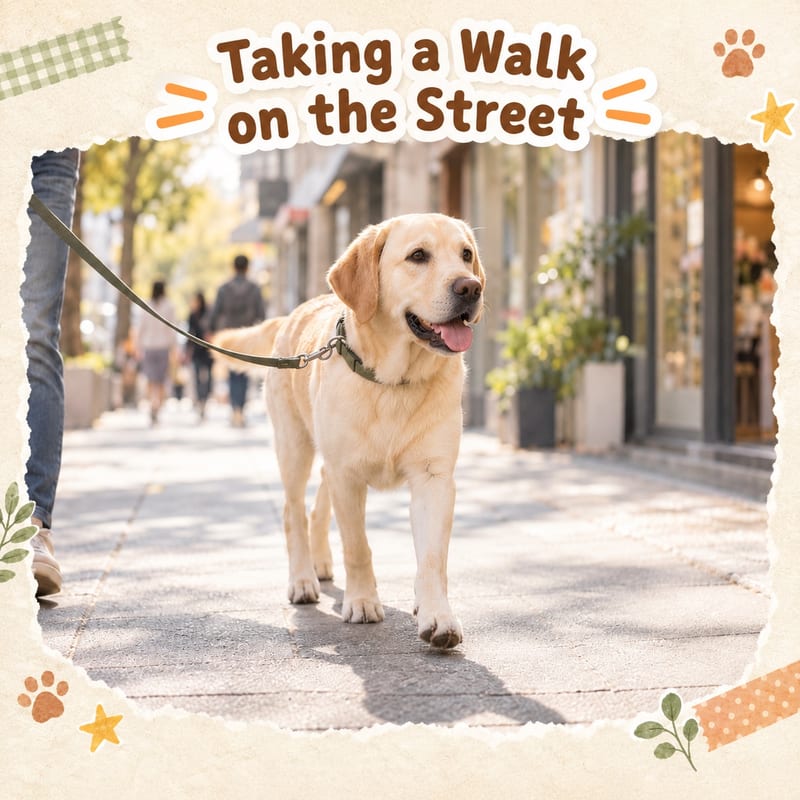
6. Seasonal checklist: one line per season
- Spring (humid season): dehumidify, dry the undercoat, check ears
- Summer: walk in the morning/evening, cooling mat, never leave in a car
- Autumn: increase brushing during the shedding peak, watch the skin
- Winter: Hong Kong winters are mild; short-coated dogs generally need no clothing, but older dogs with sensitive joints can have extra bedding for warmth
- All year: renew licence and vaccination annually, and use check-ups for weight checks and body condition scoring — this is the baseline for all seasonal items
Frequently asked questions
Is a Labrador suitable for a small flat in Hong Kong? Yes, but the key is enough daily exercise, a fixed routine and weight management; if you cannot manage two to three walks a day, a large breed is not suitable.
Can I keep one in public housing? You must apply under the Housing Department's current policy and meet the requirements; for private buildings the deed of mutual covenant governs, and if renting you need the landlord's consent.
How do I prevent heatstroke in summer? Avoid midday walks, use a cooling mat, provide plenty of water, and never leave the dog in a car; if it pants frantically or drools, cool it down immediately and seek veterinary care.
What should I watch in humid weather? Dry the undercoat after baths, check the drop ears, keep bedding dry, and see a veterinarian early for red or smelly skin.
How much walking does it need each day? Adults generally need about an hour or more per day, split into two to three sessions; puppies should avoid excessive jumping and long steep slopes.
What licences do I need? A dog licence and rabies vaccination renewed annually, and the dog must be microchipped; breaches can lead to fines.
Key takeaways
- ✅ Check three things before getting a dog: dog licensing law, public housing/deed restrictions, and landlord consent
- ✅ Large dogs in small flats rely on routine: fixed schedule, at least an hour of exercise a day, sniffing for mental stimulation
- ✅ Three iron rules for Hong Kong summer heat: avoid midday, hot ground burns paws, never leave a dog in a car
- ✅ In the humid season, focus on drying the undercoat and checking drop ears; see a veterinarian early for skin problems
- ✅ Start public behaviour training early: shorten the lead in lifts and corridors, clean up after your dog
- ✅ Follow the four-season checklist: more brushing in shedding season, watch older joints in winter
Related reading
- Labrador price and adoption guide
- Labrador disadvantages and how to cope
- Labrador personality and intelligence explained
- Cooling mats, dehumidifying products, large-dog harnesses, non-slip mats and lead equipment: find everything in one place at PetChill pet supplies.
The care and legal arrangements mentioned in this article are general information only; the latest policies are subject to announcements by the relevant departments. For health issues, consult a registered veterinarian.



