

Quick answer: Dachshunds are perfectly fine in Hong Kong apartments—their size and exercise needs suit city living. What you really need to manage are three things: non-slip, spine-friendly home setup; dog licence and microchip compliance; and summer heat and humidity protection. Get these three right, and the long body and short legs become a feature, not a risk.
Want to learn more about dachshunds? Read the rest of our series below.
1. Is a dachshund suitable for a Hong Kong home?
Dachshunds are classic apartment dogs: small, satisfied with two short walks a day, and they don't need a meadow to run free. But their long body and short legs make them extremely sensitive to floors and heights—slippery tiles, sofa height, stairs are all enemies of their intervertebral discs. Five things for your home setup:
| Item | Hong Kong home advice |
|---|---|
| Non-slip flooring | Lay non-slip rugs or mats in the living room and hallway, especially at dining room and kitchen entrances |
| Furniture access | Set up pet ramps or low steps; never let the dog jump on or off |
| Stairs | Install gates to reduce self-climbing; carry with both hands supporting chest and abdomen |
| Sleeping spot | Away from air-conditioning vents; choose an orthopaedic soft bed; add a thin blanket in winter |
| Feeding height | Choose a slightly raised bowl according to size to reduce long-term bending |
Hong Kong buildings often have long corridors and slippery tiles; when excited, a dachshund will dash around, and that's when the back is most at risk. Non-slip surfaces and ramps are not luxuries—they are essentials for this breed, and should be ready before the dog arrives. Another high-risk spot is the dining room and kitchen entrance: during feeding and cleaning, the dog often weaves through, and water spills plus tiles are a slip hazard; adding a non-slip mat there costs little but pays off directly.
2. Hong Kong laws and management rules: licence, microchip, building deed
Three compliance matters are non-negotiable: 1. Microchip—dogs must be microchipped and the owner's details registered; 2. Dog licence—dogs over three months old must be licensed by law and renewed on time; the fee is modest, but unlicensed keeping is an offence; 3. Leash in public—dogs must be on a leash in public, and some venues have additional rules; check before you go.
For housing, there are two levels: public housing is governed by estate management terms, and dog keeping must comply with relevant rules (including number and environmental hygiene requirements); private buildings depend on the building deed, and some explicitly prohibit dogs or restrict size. Before renting or buying, check the written rules—don't wait until you've moved in to discover a violation. Also, estate waste disposal, lift usage, and neighbours' tolerance of barking are the soft rules of dog keeping in Hong Kong—start quiet training from day one; it's ten times easier than fixing things after a complaint. Daily compliance also includes picking up faeces and preventing your dog from causing a nuisance in public places—these basic courtesies are the most practical step to reduce complaints and protect neighbourly relations.
3. Hong Kong summer: three heat protection tips for dachshunds
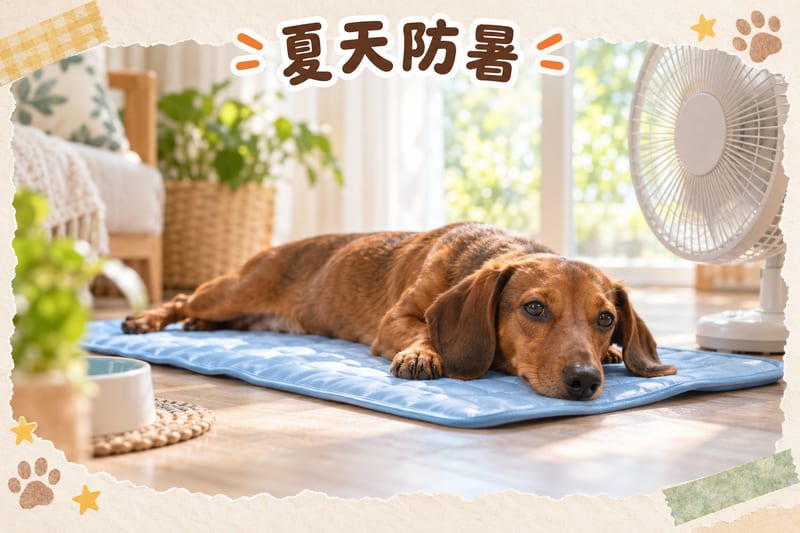
Dachshunds cool mainly by panting, which is not very efficient; long bodies, short legs, and dark or black individuals absorb heat faster, and Hong Kong's high humidity makes the perceived temperature much higher than the thermometer reading. Three tips:
- Timing: Walk only at dawn and dusk, not at midday; asphalt and stone pavements burn paws in the afternoon—prefer grass.
- Carry gear: Bring water and a folding bowl; keep indoor air-conditioning at a comfortable level, not too cold and not blowing directly for long periods.
- Recognise warning signs: Excessive drooling, vomiting, unsteady gait, red gums are heatstroke warning signs—move to shade immediately and contact a veterinarian; these situations can't wait.
Also, never leave a dog in a parked car at any time—a few minutes is enough to cause trouble. If heatstroke is suspected, the first step is to move to shade, wipe the limbs and abdomen with room-temperature water to cool down, and contact a veterinarian immediately; forcing ice water or prolonged ice packs may actually worsen the body's burden.
4. Humidity and shedding: care for both long and short coats
During Hong Kong's returning-south moisture and plum rain season, humidity stays high; if the coat is damp and not thoroughly dried, skin disease is invited. Basic routine: after bathing or getting rained on, dry the undercoat (especially armpits, groin, behind ears), brush once a week, brush daily during shedding season, and check ears weekly for smell and redness. Long-haired dachshunds have a medium coat and need a detangling comb; short-haired dachshunds are easier but still shed. Those searching "long-haired dachshund Hong Kong" often compare grooming difficulty—it is generally considered that long coats take less grooming time than curly breeds (e.g., poodles), but daily brushing is still needed during shedding season; light-coloured, cream individuals have more sensitive skin—if you notice constant paw licking or recurring redness, see a veterinarian early.
5. Seasonal management table
| Season / situation | Main risks | Recommended actions |
|---|---|---|
| Hot summer | Heatstroke, paw burns | Walk morning and evening, avoid midday, carry water |
| Returning-south moisture / plum rain | Skin fungus, damp coat | Dry thoroughly, dehumidify, keep bedding dry |
| Shedding season | Dander, hairballs, flying fur | Brush daily, normalise diet |
| Winter + air-conditioned rooms | Dry itchy skin, chills | Thin blanket, plenty of water, avoid direct air-conditioning |
| Typhoon / severe weather | Walk disruption, fright | Indoor games instead of walks, check window safety |
6. Exercise, socialisation and spine protection
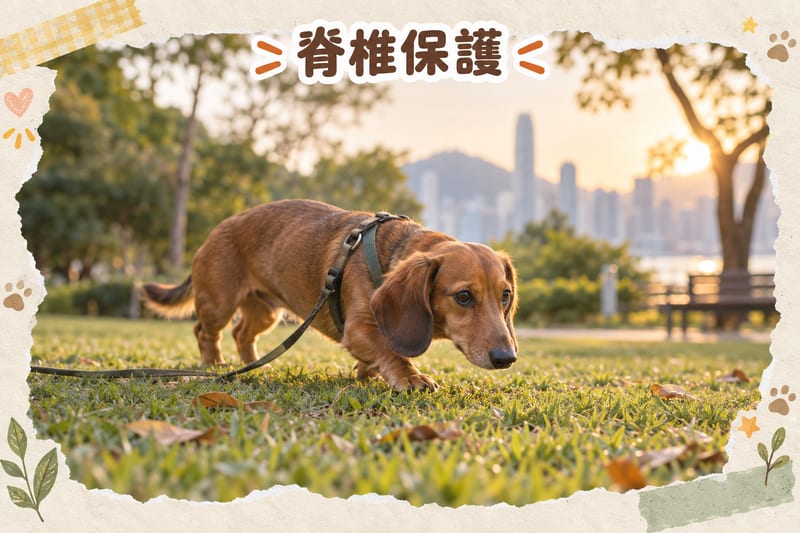
Dachshunds have hunting blood: what they need to expend is brain power, not physical strength. Besides two short walks a day, add sniffing games, food hiding, and puzzle toys—more effective than long runs. For walking gear, use a harness rather than a collar; pull is distributed across the chest, greatly reducing pressure on the neck and spine. In crowded places with many people and large dogs, be careful: they have low sightlines and small bodies and can easily be stepped on; if a large dog rushes over, support the chest and abdomen before picking up. After returning home, set up a fixed quiet rest area so they have their own territory—a dog with a territory will bark less and be less anxious. On days unsuitable for going out (extreme heat or typhoons), replace walks with indoor sniffing, towel-roll food hiding, and short obedience sessions; activity doesn't need to rely on long distances—a stable daily routine is the key to longevity.
The above is general husbandry advice only; for diseases, medication, or behavioural issues, please consult a registered veterinarian.
Frequently asked questions
Can you keep a dachshund in a Hong Kong apartment? Yes, moderate exercise needs; but non-slip surfaces, ramps, and no jumping must start from day one.
Do you need a licence to keep a dachshund in Hong Kong? Yes. Dogs over three months old must be microchipped and licensed, and renewed on time.
Can you keep dogs in public housing and under building deeds? Check estate terms and the building deed; check written rules before renting or buying.
How to protect from heat in summer? Walk morning and evening, avoid midday, carry water; excessive drooling, vomiting, unsteady gait—seek veterinary care immediately.
How to care in the humid season? After bathing or rain, dry the undercoat thoroughly, dehumidify the environment, check ears and skin weekly.
Collar or harness? A harness is recommended to distribute pull and protect the spine; back pain or hind-limb weakness are danger signs.
Key points
- ✅ Dachshunds suit city apartments, but their long body and short legs make non-slip surfaces, ramps, and no jumping essential
- ✅ Three compliance matters: microchip, timely dog licence renewal, leash in public
- ✅ Public housing is governed by estate terms; private buildings by the deed—check written rules before renting or buying
- ✅ In summer, walk only morning and evening, carry water; seek veterinary care immediately if heatstroke signs appear
- ✅ In humid seasons, always dry the undercoat after bathing; long coats need a detangling comb, light-coloured skin needs observation
- ✅ Walk with a harness and add sniffing puzzle games—brain work is the right answer for a hunting dog
Related reading
- Dachshund price Hong Kong 2026: buying and adoption cost guide
- Dachshund intelligence and personality analysis
- Dachshund disadvantages and how to handle them
- Dachshund lifespan and health guide
- PetChill pet supplies: non-slip mats, orthopaedic ramps, harnesses and portable water bowls—everything for dog keeping in Hong Kong



