
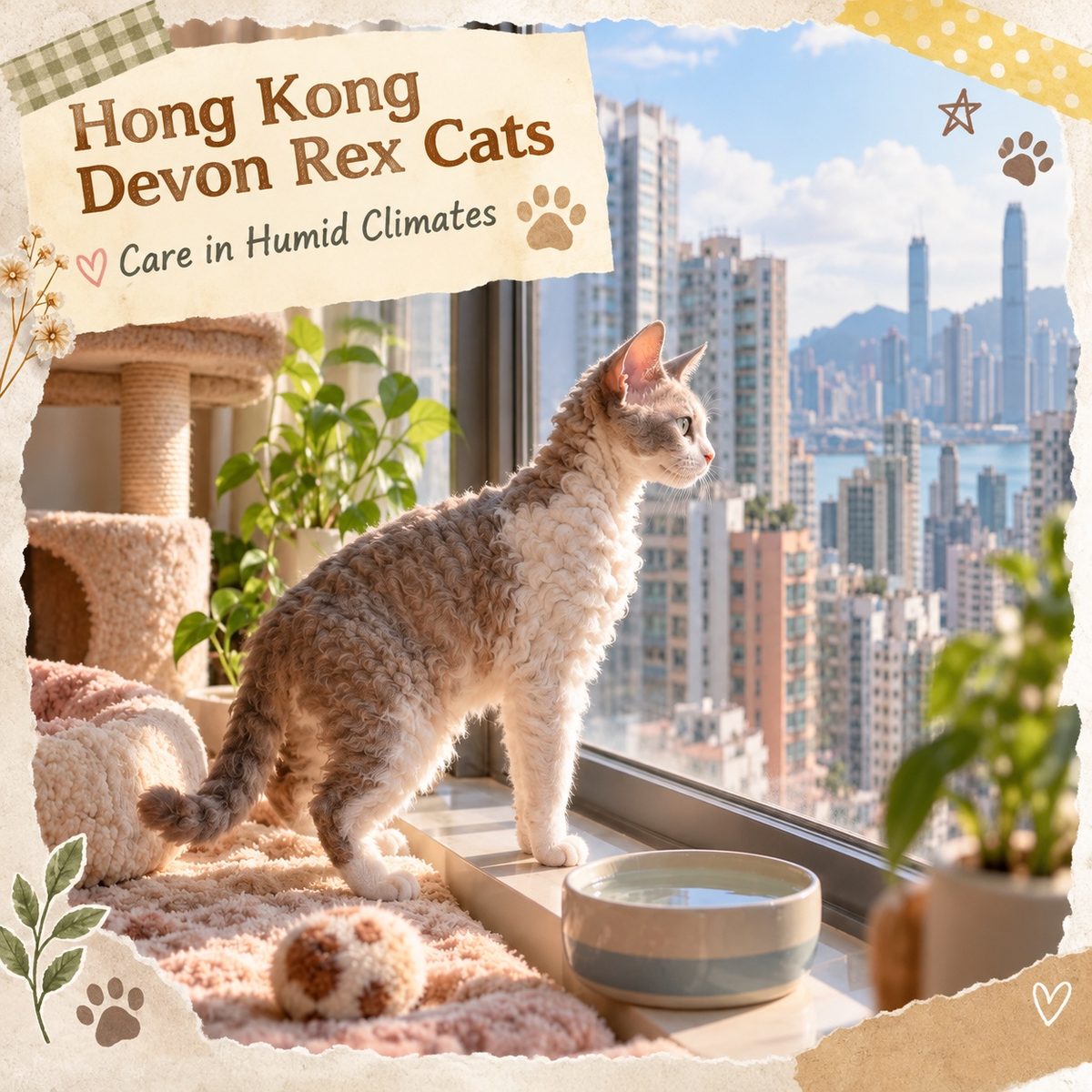
Quick answer: The Devon Rex can be kept in Hong Kong and is quite suited to small flats. The real challenge is the humid climate: oily skin needs regular bathing, big ears need weekly cleaning, and the fragile curly coat must not be over-brushed. At home, use air-conditioning plus dehumidifying, protect windowsills from sun, and keep the cat warm in winter. Check tenancy agreements, building deeds and public housing policy first, and before buying, clarify the Devon cat Hong Kong price and source paperwork.
Want to know more about the Devon Rex? Keep reading the series below.
1. Does the Devon Rex adapt to living in Hong Kong?
The answer is yes, and it even has advantages. The Devon Rex is a small-to-medium indoor cat with modest space needs, so even a small flat is enough; and its short coat means Hong Kong summers are less of a heat-dissipation burden than for long-haired cats. The real test is not space but climate and humidity. Hong Kong's average annual humidity is over 80%, and during the plum rain season and the return of damp southerly winds, walls sweat, putting stress on skin and ears. So the key to "keeping well" is whether you have a humid-weather care routine.
2. Three things for humid-climate care
First, skin oils. The Devon Rex has relatively high sebum secretion, and with a short, sparse coat the oil is not absorbed by the fur, so it accumulates on the skin surface, feeling slightly sticky to the touch, and can stain the ears and neck of light-coloured cats a pale yellowish-brown. The approach is to bathe every 2 to 4 weeks with a mild, fragrance-free shampoo, and wipe the body with pet wipes in between. When humidity is very high, you can increase to once every 2 weeks; always dry thoroughly after bathing so you do not leave moisture for fungus.
Second, ear canals. The Devon Rex has large, open ears and produces more earwax; Hong Kong's humidity makes ear canals accumulate moisture faster, making yeast or bacterial infections likely. Clean once a week with a pet ear cleaner; if you see head shaking, ear scratching or odour, see a veterinarian immediately. This is one of the breed's most common minor problems, and if done well you will not need frequent vet visits.
Third, brushing taboos. This is where most people go wrong. The Devon Rex's curly coat is naturally fragile and the hair shaft breaks easily; over-brushing or brushing too hard will straighten and thin the curl, especially behind the ears, on the neck and on the belly. The correct approach is to stroke gently with your fingers or a rubber grooming glove, at most once a week, not daily. Deal with mats locally first; do not pull hard.
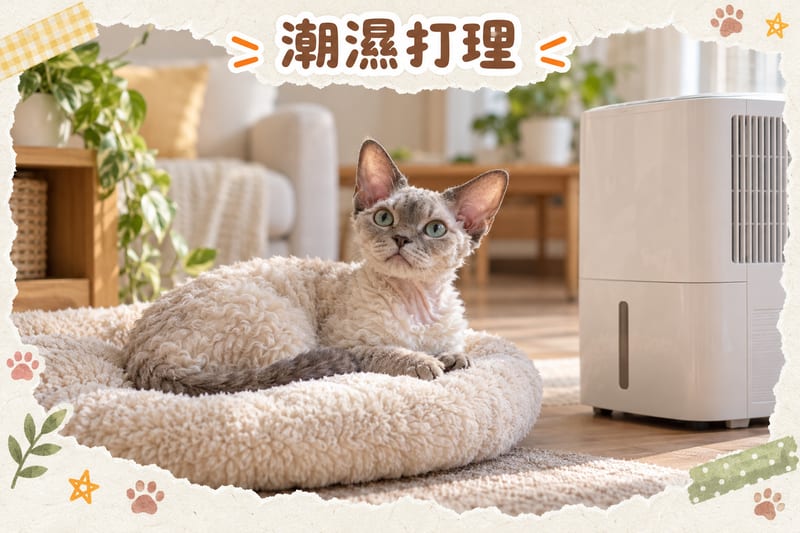
3. Home environment: dehumidifying, sun protection and warmth
Hong Kong homes need to balance three things:
- Dehumidifying: run a dehumidifier in the plum rain season, ideally keeping humidity at 50–70%; keep the litter box and bed away from damp wall corners and windowsides.
- Sun protection: the Devon Rex has a thin coat, and long exposure to direct midday sun on a windowsill can cause burns, especially dangerous for light-coloured individuals; apply heat-insulating film to windowsills or draw sheer curtains.
- Warmth: they feel the cold, so in winter turn the air-conditioning up or add a heat pad and blankets; do not place the bed where air-conditioning blows directly.
Of the three, dehumidifying is the most easily underestimated. In many Hong Kong flats, walls sweat during the plum rain season, and if the litter box sits long-term in a damp corner, skin and ear problems will recur. Keeping humidity at 50–70% and maintaining air circulation is the lowest-cost prevention.
4. Legislation and building deeds
Before keeping a cat, read three documents clearly:
- Tenancy agreement: some tenancies explicitly prohibit pets, and breach may mean moving out;
- Building deed: some estates restrict keeping or require declaration;
- Public housing policy: Housing Authority tenancies generally do not allow cats (except working dogs such as guide dogs); ask the estate office about the latest arrangements first, as breaches can affect the tenancy.
Hong Kong has no cat licensing system, but if you plan to breed or sell, note the relevant Agriculture, Fisheries and Conservation Department rules. Also check that the cat source is licensed and has paperwork; for price, you can refer to the market range for Devon cat Hong Kong price and Devon Rex price Hong Kong, and differences in Hong Kong prices from different sources mainly reflect paperwork and screening costs, not necessarily health.
5. Seasonal management at a glance
Seasonal transitions are the nodes for care; adjust your routine according to the table below and you will not be caught out.
| Season / Item | Recommended practice |
|---|---|
| Spring return of damp | Dehumidifier on for long periods, bathe every 2 weeks, clean ears more often |
| Hot summer | Air-conditioning at a steady 24–26°C, avoid direct midday sun, keep fresh water available |
| Typhoon season | Stock food and medicine early, close doors and windows, reduce outings |
| Autumn cooling | Add heat pad, observe shedding and skin condition |
| Damp cold winter | Warm cat clothing, heat pad, avoid direct cold draughts, dry immediately after bathing |
| All year | Weekly ear cleaning, regular weighing, annual health check |
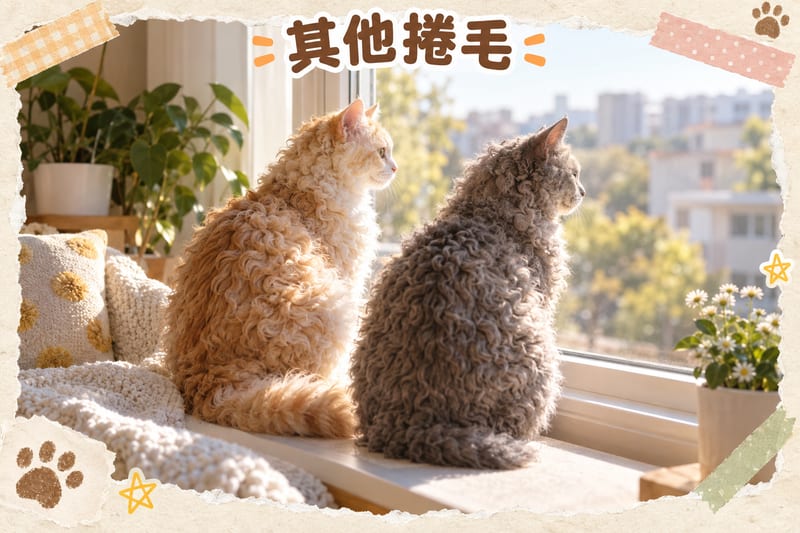
6. Beyond the Devon Rex: other curly cats in Hong Kong
There are not many curly cat choices in Hong Kong; besides the Devon Rex, there are the Cornish Rex and the Selkirk Rex. The Selkirk Rex is even less available in Hong Kong, belongs to another gene group, and has a thicker, wavy coat; the Cornish Rex is leaner and longer-bodied. Care for all three involves oils and ears, but the Devon Rex's curl comes from a KRT71 gene mutation, not exactly the same as the other two, so coat texture and brushing taboos differ. Before choosing, read the breed information carefully; do not go by looks alone.
7. Home preparation checklist before bringing a cat home
Before bringing a Devon Rex home, completing the following will make things much smoother:
- Window screens and protection: install window screens and secure the balcony to prevent falls by this high-jumping cat;
- Store dangerous items: cables, medicines, cleaning agents, and toxic plants such as lilies should all be put away;
- A warm corner: prepare a heat pad, blankets and a high viewing spot to satisfy their cold-sensitive, high-jumping nature;
- Book a vet first: identify a nearby veterinarian and arrange a basic check-up and registration soon after arrival;
- Have care supplies ready: shampoo, pet wipes, ear cleaner, and a rubber grooming glove (instead of a stiff brush).
With these preparations done, the first month will be much less hectic. The Devon Rex adapts well; as long as the environment is safe and the care routine is set, they will soon treat your home as their territory.
Key points
- ✅ The Devon Rex suits indoor keeping in Hong Kong: small-to-medium size, modest activity needs
- ✅ Humidity is the biggest challenge: guard against oily skin, damp ear canals and fungal risk
- ✅ Bathe every 2 to 4 weeks, clean ears weekly, always dry after bathing
- ✅ The curly coat is fragile; over-brushing straightens and thins it, so gentle stroking with hands is enough
- ✅ Three home measures: dehumidifying, windowsill sun protection, winter warmth
- ✅ Read three documents first: tenancy agreement, building deed, public housing policy
- ✅ Devon, Cornish and Selkirk Rex genes differ; do not lump them together
Related reading
- Devon Rex price Hong Kong: buying vs adoption costs explained
- Devon Rex disadvantages: what to know before keeping one in Hong Kong
- Devon Rex lifespan and genetic disease guide
- Devon cat personality and intelligence: what Hong Kong owners must know
- PetChill pet supplies: dehumidifiers, skin care, ear cleaning and warming products, essentials for Hong Kong's humid weather
The legal content in this article is general information; please refer to the latest official announcements for tenancy and housing policy. For pet health issues, consult a registered veterinarian.



