
Quick answer: Egyptian Mau cattery prices in Hong Kong are generally HK$25,000–45,000 (pet level), with pedigree-level cats from fully screened parents at HK$50,000 or above; this globally rare breed is in very short supply locally, so expect a waiting period. The chance of adopting a purebred is extremely low, but a 'spotted look' can be achieved by adopting a domestic cat. For this breed, 'cheap' almost directly equals 'missing screening'—HCM and PK parental records matter more than price. Monthly costs are about HK$1,000–$1,900.
Want to know the Egyptian Mau inside out? Start with the Egyptian Mau breed profile.
1. Hong Kong price ranges: what you pay for is screening
| Tier | Price range | Usually includes | Suitable for |
|---|---|---|---|
| Adoption (surrendered/mixed) | $0–$2,500 (medical cost sharing) | Neutered, basic vaccinations; health history transparency varies | Broad acceptance, experienced carers |
| Cattery pet level (with papers) | HK$25,000–45,000 | Pedigree certificate, first two vaccinations, basic health check | Most families wanting a purebred |
| Premium pedigree level | HK$50,000+ | Parental HCM echocardiogram + PK DNA records complete, clear bloodline | Those seeking lowest risk with sufficient budget |
| 'Cheap unpapered kitten' | Under $12,000 | ⚠️ Missing screening, unknown origin | Not recommended—savings often go back to the vet |
To understand this price structure: Egyptian Mau global registrations have long ranked in the bottom ten of cat breeds, very few catteries in Hong Kong breed them regularly, and a litter is often reserved before birth. Legal breeding costs are inherently high—stud fees, imported bloodlines, parental genetic tests and echocardiograms costing thousands each time, vaccinations and observation before 12 weeks. So cases 'cheaper than cost' will almost certainly be missing the screening step; and cats missing screening carry urinary stone and heart risks that you and your vet will spend ten years paying for.
2. Adoption routes: they exist, but adjust expectations
The chance of a purebred Egyptian Mau being abandoned is near zero—owners of cats at this price usually have strong motivation to care for them. But adoption routes are not entirely absent: first, SPCA and rescue centre adoption centres occasionally have surrendered pedigree cats, and you can register to wait; second, breed rescue groups: the TICA international network occasionally coordinates cross-regional rescues; third, the most practical route—if what attracts you is the spotted appearance, street cats and adoption centres have naturally spotted individuals (the spotted gene is not rare in domestic cats), saving a life at zero cost. For details on adopting domestic cats, see Domestic Cat Adoption and Price Guide. Another practical reminder: if your ultimate goal is 'the companionship quality of this breed' rather than pedigree papers, the Egyptian Mau's personality overlaps heavily with generally smart, affectionate, opinionated domestic cats (see the personality article), and the difference in lived experience after adoption is far smaller than the difference in price tags.
3. How coat colour and bloodline affect price
The Egyptian Mau has three recognised base colours: bronze, silver and smoke. Price lists usually have tiers: silver individuals, with strong contrast and the most striking spots, are in highest demand and generally cost 10–20% more than bronze; smoke is the rarest and least often available from breeders, a case of 'come across it if you can'. On bloodlines, offspring directly imported from European or North American champion lines can command a further premium; but remember: a good bloodline does not replace complete screening—a local bloodline cat with complete parental echocardiogram and DNA records is far better value and safer than an unrecorded imported 'champion grandson'. Sex also brings a slight price difference, with females usually slightly higher due to breeding value.
4. Cattery verification checklist: seven steps to avoid pitfalls
- Registration verification: ask for the CFA or TICA cattery registration number and check it on the official database; do not rely on photo album screenshots
- Parental screening records: echocardiogram reports (HCM) for both parents + PK DNA test results, in writing with dates
- Site visit: see the housing environment, the cats' coat and spirits, and the state of littermates; reject anyone who refuses a visit
- Pedigree verification: bloodline traceable within three generations, microchip number matching the certificate
- Health guarantee terms: the contract should state the genetic disease guarantee period and how it is handled (replacement/refund/medical cost sharing)
- Neutering clause: pet-level cats should have a clear neutering responsibility or deposit arrangement to prevent 'pet-level breeding' chaos
- After-sales follow-up: a qualified breeder will proactively ask about the cat and offer lifelong advice; those who disappear after the sale are unreliable
5. Monthly expense estimate: putting hidden costs on the table
| Item | Monthly estimate (HK$) | Notes |
|---|---|---|
| Staple food (mainly wet) | 600–1,100 | This breed's urinary risk requires a high-moisture diet |
| Treats, dental products | 50–120 | Small muzzle prone to gingivitis |
| Cat litter, consumables | 120–220 | More stable with two or more litter boxes |
| Medical reserve (amortised) | 200–400 | Urine tests, heart screening, vaccination cycle |
| Environment (cat tree, toy wear) | 50–150 | Active breed with high wear |
| Total | About 1,020–1,990 | Median about HK$1,400 |
6. First-year cash flow: real numbers line by line
One-off costs for reference: neutering surgery (if not included by the cattery) HK$2,500–$4,500; full kitten vaccination course HK$1,000–$1,500; deworming (internal and external) about HK$800–$1,200 for the year; environmental setup (cat tree, sun-blocking window film, heat pad, water fountain, litter box) HK$2,000–$3,500. Together with the cattery price, total first-year investment generally ranges from HK$30,000 to over HK$60,000. The right budgeting mindset: the cattery price is the most transparent part of the ceiling; screening and care are what really make the difference.
7. Contract and payment: clauses to write down
Pedigree cat transactions involve large sums, and verbal promises are no promises. Items to include in the contract: pedigree certificate number and delivery time, copies of parental screening reports, the disease scope and period of the health guarantee (at least one year recommended), vaccination and neutering arrangements, refund terms (if the buyer can no longer keep the cat, does the cattery have a buy-back responsibility), and payment in instalments—a reasonable approach is a deposit plus the balance on handover; be wary of demands for full prepayment with a handover date more than eight weeks away. Use traceable payment methods and keep records.
8. 48-hour preparation before bringing the cat home
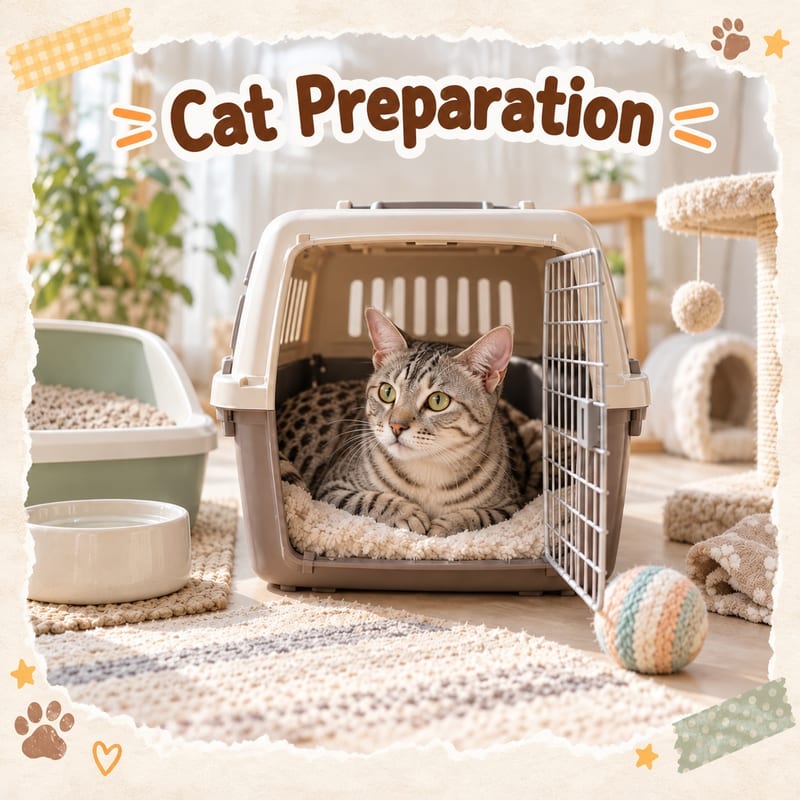
Gotcha day is the first stress test for this sensitive breed. Prepare in advance: a quarantine room (a quiet small room with bed, water and litter box), a pheromone diffuser turned on two days ahead, hiding places (under cabinets, high platforms) left available, and avoid arranging friends and family visits that day. Use a hard-bottomed carrier, secured in the car. In the first week after arrival, do not bathe or change food; transition gradually from the cattery's original diet. Arrange the first vet check within two weeks, and do a baseline urine test at the same time.
Key takeaways
- ✅ Cattery prices starting at HK$25,000 reflect structural rarity, not a rip-off; but cheaper than cost means something is missing
- ✅ Half of what you pay for is screening: do not complete the deal without complete parental HCM echocardiogram + PK DNA records
- ✅ The chance of adopting a purebred is extremely low; a spotted domestic cat is the closest-looking zero-cost alternative
- ✅ Seven verification steps: registration number, parental records, site visit, pedigree, health guarantee, neutering clause, after-sales
- ✅ Budget HK$1,000–$1,900 monthly; a wet-food-based diet is a hard care requirement
- ✅ Contract in writing, pay in instalments, keep all records
- ✅ 48 hours before gotcha day: quarantine room + pheromones + no food change, helping this sensitive breed through the first hurdle
Related reading
- Full list of Egyptian Mau disadvantages
- Egyptian Mau lifespan and health guide
- Egyptian Mau personality revealed
- Domestic cat adoption and price guide
- Water fountains, puzzle feeders, cat trees: get everything at PetChill pet supplies.
Prices in this article are general market ranges; actual prices are subject to individual cattery and organisation quotations. For purchase contracts, verify carefully; for medical matters, consult a registered veterinarian.
 Fuji One full guide →





