PetChill Pet Encyclopedia
Cat Breeds

Egyptian Mau Lifespan: Health Risks and Longevity Guide for Hong Kong

Egyptian Maus typically live 12 to 15 years, and with good care they can live longer. But behind that number are several key defences: urate urinary stones, hypertrophic cardiomyopathy (HCM), pyruvate kinase deficiency and skin care. This article breaks down the Egyptian Mau lifespan range, the factors that affect it, breed-specific diseases and a health management checklist from kitten to senior. A must-read for Hong Kong cat owners.

Published: 2026-09-15·9 min read·Author: PetChill Editorial
Egyptian Mau Lifespan: Health Risks and Longevity Guide for Hong Kong — PetChill

Quick answer: The Egyptian Mau typically lives 12–15 years, which is normal for a medium-sized cat, and can live longer with good care. The three biggest variables affecting this breed's lifespan are: urate urinary stones (a breed-specific genetic predisposition and the number one management item), hypertrophic cardiomyopathy (HCM) (a long asymptomatic phase, relying on screening), and weight and drinking habits. By maintaining the three lines of "wet food with plenty of water + annual urine tests + heart screening from age three", this breed's expected lifespan and quality of life are above average for cats.

Want to know more about the Egyptian Mau? Start with the Egyptian Mau breed profile.

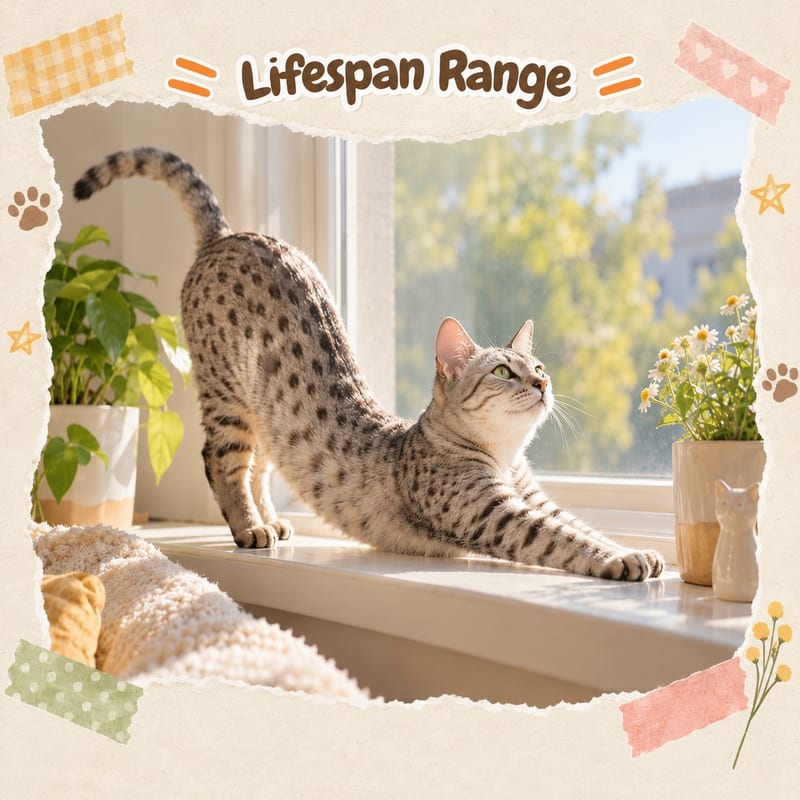
1. Lifespan range: how to interpret the data

Both CFA and TICA breed introductions give a range of 12–15 years; several veterinary insurance breed statistics also roughly agree, with some well-cared-for cases recorded at over sixteen years. Two points to note when interpreting this number: first, it is a median range under the premise of "widespread screening and indoor keeping", not a ceiling; second, the Egyptian Mau has no extreme body structure problems—no flat-face breathing issues, no folded-ear joint after-effects, and unlike large cats, no doubled skeletal and cardiac load. Its basic physical condition is actually among the better ones for purebred cats. The real risks that drag things down are concentrated in a few screenable items, so we break them down one by one below.

Life stage Age Key health management
Kitten 0–1 year Vaccination and neutering, PK DNA test, establish drinking habits
Young adult 1–7 years Mainly wet food, weight monitoring, baseline heart screening from age 3 + annual urine tests
Mature/senior 8–11 years Annual blood and urine tests, kidney value tracking, continued screening
Geriatric 12+ years Full check-up every six months, low-sided litter tray, senior formula diet

egyptian-mau-lifespan-hk knowledge card 1

2. First line of defence: urate urinary stones

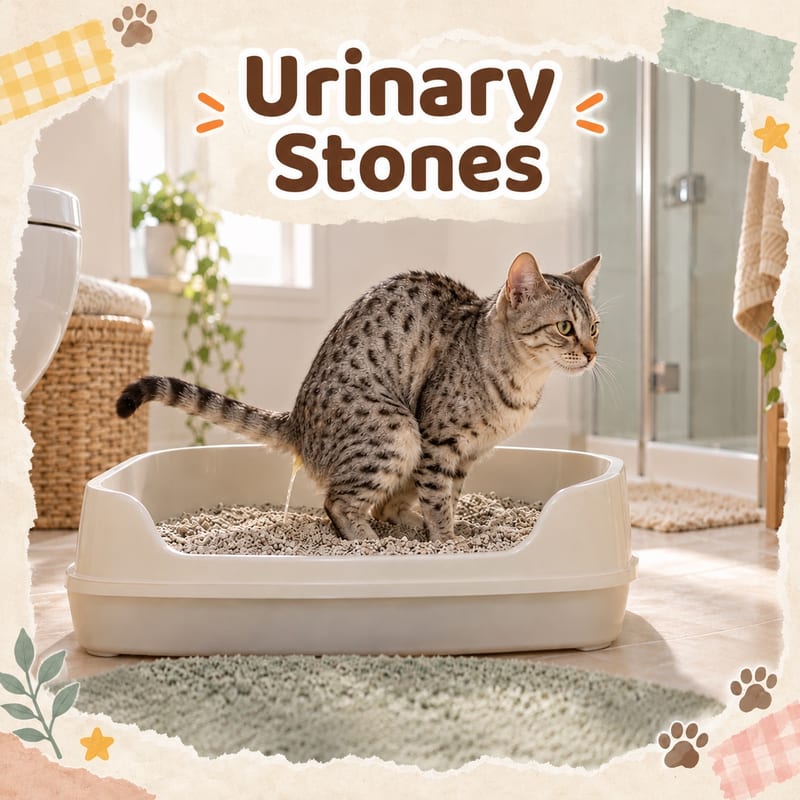
This is the most important health label that distinguishes the Egyptian Mau from other breeds. Studies show that Egyptian Maus have a special genetic predisposition to uric acid metabolism, with higher uric acid concentrations in the urine, making them prone to forming urate/ammonium urate bladder stones—a different pathway from the common calcium oxalate and magnesium ammonium phosphate stones in ordinary cats, so general "stone prevention prescription diets" may not be fully appropriate. Clinical signs fall under the feline lower urinary tract disease (FLUTD) spectrum: frequent urination, blood in urine, crying during urination, inappropriate urination; severe urethral obstruction is an emergency that must be handled within hours.

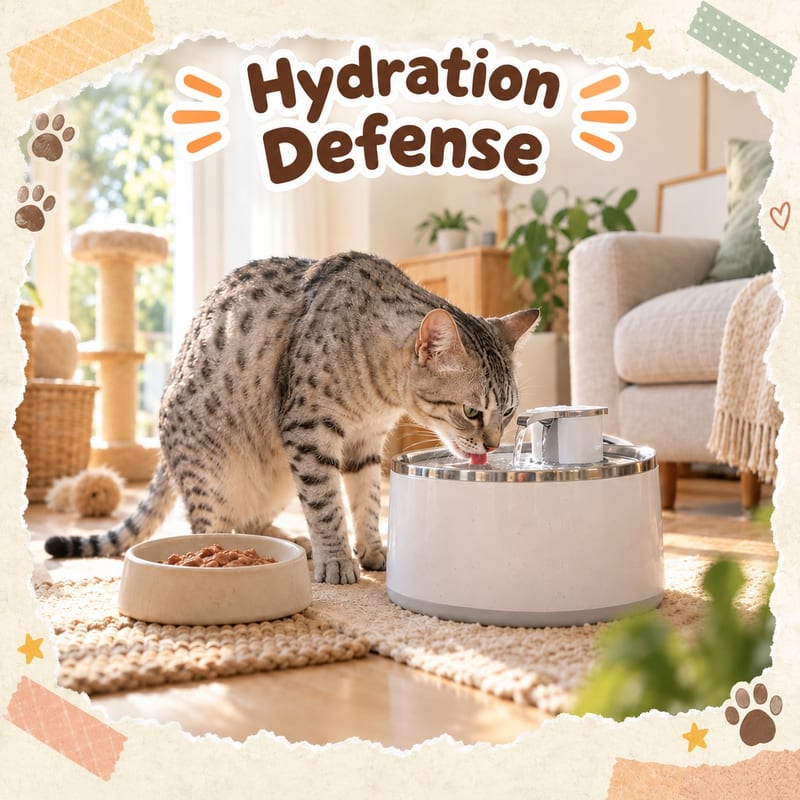
The prevention logic is clear: everything is for diluting the urine. Feed mainly wet food (canned food and fresh food with added water both count), use a flowing water fountain, and place water bowls in multiple locations; pay attention to dietary purine content, and veterinary prescriptions will recommend low-purine formulas. After age three, a yearly urine test to check pH, specific gravity and crystal sediment—if ammonium urate crystals are seen under the microscope, intervene before they grow into stones. For confirmed cases, there are two paths: dietary dissolution and surgery, assessed by a veterinarian.
Veterinarian showing a cat owner urine microscopy results, with a can of wet cat food on the table

3. Second line of defence: the heart (HCM)

Hypertrophic cardiomyopathy is the most common heart disease in cats, and the Egyptian Mau is one of the breeds with reported cases. The cruel part is that it is completely asymptomatic in the early stages—eating well, playing well, and even auscultation may be normal; by the time symptoms appear it is often advanced, and the worst-case scenario is sudden death without prior illness. The screening pathway is the same as for other at-risk breeds: from age three, auscultation once a year to once every two years; if a heart murmur or rhythm abnormality is suspected, refer for cardiac ultrasound (non-invasive, takes a few tens of minutes, costs about HK$600–$1,500); some clinics can use blood NT-proBNP as a rough screen. Before getting a cat, ask the breeder for cardiac ultrasound records of both parents; offspring of screened normal parents have a significantly lower risk—if this step cannot be done, other medical reserves must be doubled.

4. Genetic testing items: PK deficiency and bloodline history

Pyruvate kinase (PK) deficiency: a lack of the PK enzyme in red blood cells leads to shortened red cell lifespan and chronic haemolytic anaemia; symptoms can be very mild—pale gums, easy fatigue, poor appetite—and are easily missed. The good news is that an existing DNA test is available; a single oral swab is all it takes, and carriers should not be used for breeding. It is recommended that every Egyptian Mau be tested once as a kitten.

Leukodystrophy: a rare inherited neurological disease reported in some bloodlines, affecting myelin formation in kittens and causing signs such as unsteady walking and tremors. There is no screening method at the individual care level, but you can ask the breeder whether there are any reported cases in the paternal bloodline. A reputable breeder's honesty about such history is itself a test when choosing a breeder.

First, teeth: breeds with fine muzzles have a higher proportion of gingivitis, and chronic periodontal inflammation is linked to heart and kidney burden; weekly brushing is a longevity investment. Second, stress and urinary issues combined: this breed is sensitive to environmental changes, and stress cystitis and stone tendency aggravate each other; "life stability" is a real health variable for Egyptian Maus. Third, weight: an athletic breed can easily become overweight once kept indoors with less activity; overweight directly increases cardiac and joint burden, so keep body condition score at "ribs felt but not seen". Fourth, cold sensitivity and sunburn: the thin coat cuts both ways—cold stress in winter and sunburn from west-facing sun in summer both need to be managed through the home environment.

6. Longevity checklist: achievable item by item

  • Mainly wet food + flowing water fountain: protect the urinary tract, the number one project for this breed
  • Annual urine test (from age three): crystals appear before stones, so catch the window
  • Heart screening from age three: auscultation plus ultrasound if necessary, don't wait for symptoms
  • One PK DNA test as a kitten: peace of mind for over a decade
  • Ask for parents' cardiac ultrasound and genetic records before getting a cat: the most worthwhile risk-reduction step
  • Weight control + regular play: two interactive sessions daily, protecting heart and joints
  • Indoor-only keeping: avoid traffic accidents and infections; this breed has a low survival rate if lost
  • Neutering: reduces reproductive system diseases and behavioural stress
  • Upgrade monitoring after age eight: annual blood tests plus urine tests, early detection of kidney values
Hong Kong small flat living room, Egyptian Mau sleeping on top of a cat tree, sun-blocking heat-insulating film on the window

7. Special notes for the Hong Kong environment

For Egyptian Maus in Hong Kong, climate is the second biggest variable. During the humid "returning south" days, cats with urinary issues need close monitoring of water intake—cats generally drink less in humid weather, so you can add warm water to wet food and mix well. Winters are damp and cold but most homes have no heating; this cold-sensitive breed needs a warm mat available all year round, as cold stress is not good for individuals with high cardiac load. Regarding medical facilities, there are already many clinics in Hong Kong with cardiac ultrasound equipment; when booking, ask directly "Do you have cardiac ultrasound service?"; urine tests are even more common and available at ordinary clinics. From an insurance perspective, the Egyptian Mau is an insurable breed, but genetic diseases often have waiting periods or exclusions; read the terms carefully before taking out cover.

8. Care adjustments for senior Egyptian Maus

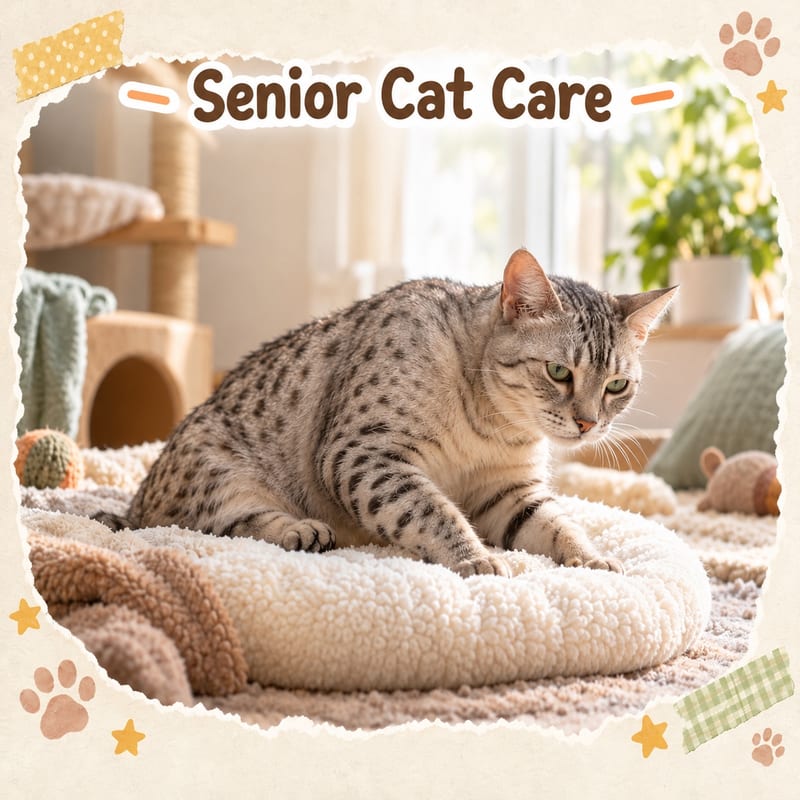
After twelve years: a full check-up every six months; switch to an easily digestible, high-protein senior formula to prevent muscle loss; change to a low-sided litter tray; continue play but reduce high-jumping activities—add multi-level steps for graded access. If a normally active cat suddenly becomes unwilling to move, breathes faster, or has pale gums, these are not simply "getting old" but warning signs of heart disease or anaemia, and a veterinarian should be seen within 24–48 hours.
egyptian-mau-lifespan-hk knowledge card 2

Key takeaways

  • ✅ A lifespan of 12–15 years is normal; urinary tract management is the most critical move to extend the range
  • ✅ Mainly wet food + flowing water fountain + annual urine tests: the iron triangle for preventing urate stones
  • ✅ Heart screening from age three: asymptomatic does not mean disease-free—that is the cruelty of HCM
  • ✅ PK DNA test once as a kitten; obtain parents' screening records before getting a cat
  • ✅ A stable environment is a health item for this breed: stress and urinary problems aggravate each other
  • ✅ Hong Kong climate requires defence on both ends: keep warm in winter, sun protection and heat insulation in summer, encourage drinking during humid days
  • ✅ Senior care should be upgraded, not reduced: double screening frequency, respond faster to warning signs

The medical content in this article is general information; breed disease statistics are for reference only. For urinary, cardiac and neurological symptoms, please consult a registered veterinarian; early screening is better than everything.

Brand guides mentioned in this article

These brands appear in this article; their guide pages cover product lines, nutrition ranges and buying tips.

Frequently Asked Questions

📌 Key Takeaways

  • This article covers: 1. Lifespan range: how to interpret the data, 2. First line of defence: urate urinary stones, 3. Second line of defence: the heart (HCM), 4. Genetic testing items: PK deficiency and bloodline history, 5. Other breed-related items affecting lifespan, and more
  • Jump to any section via the table of contents for the key details
  • If in doubt, consult a registered veterinarian

📚 Cat breeds article index

This article is part of the Cat breeds topic cluster. Explore related articles:

⭐ Pillar guide: Cat breeds complete guideNapoleon Cat (Minuet) Complete Guide | Hong Kong Short-Legged Longhaired Cat Personality, Price and Health Risks→ ReadBirman Cat Disadvantages: 8 Real Costs to Know Before Getting One in Hong Kong→ ReadBirman Cat Lifespan: A Must-Read Longevity Checklist for Hong Kong Owners→ ReadBirman Cat Personality and Intelligence Explained | Hong Kong Owner's Guide→ ReadBirman Cat Prices and Adoption Guide | Hong Kong 2026→ ReadWhat Are the Downsides of a Devon Rex? 7 Things Hong Kong Owners Must Know Before Getting One→ ReadDevon Rex in Hong Kong: Care Guide for the Humid Climate and the Law→ ReadHow Long Do Devon Rex Cats Live? A Hong Kong Guide to Hereditary Diseases and Health→ ReadDevon Rex Personality and Intelligence: What Hong Kong Owners Need to Know→ ReadDevon Rex Price in Hong Kong 2026: Buying vs Adoption Costs Explained→ ReadNorwegian Forest Cat Downsides Explained | 8 Things to Know Before Getting One→ ReadNorwegian Forest Cat in Hong Kong: Home, Climate and Legal Guide→ ReadNorwegian Forest Cat Lifespan and Health | HCM, GSD IV and a Longevity Checklist→ ReadNorwegian Forest Cat Personality and Intelligence: Independent, Gentle, or Clingy?→ ReadNorwegian Forest Cat Prices and Adoption Guide | Hong Kong 2026 Market Breakdown→ ReadHow Big Do Norwegian Forest Cats Get? Weight Growth Chart and Body Condition Score Explained→ ReadSomali Cat Coat Colour Guide: Ticked Multi-Tone Ruddy Gold→ ReadSomali Cat Disadvantages: 7 Things to Know Before Keeping One in Hong Kong→ ReadSomali Cat Hong Kong Care Guide | Home Climate Full Guide→ ReadSomali Cat Lifespan and Health: A Must-Read for Hong Kong Owners→ ReadSomali Cat Personality Revealed | An Active, Playful Companion Cat→ ReadSomali Cat Prices and Adoption Guide | Hong Kong 2026→ ReadSomali Cat Weight and Size: A Full Guide to Growth Curves→ ReadCalico Cat Prices: Hong Kong Adoption Routes, Costs and a Verification Checklist→ ReadCalico Cat Lifespan: Key Factors, Common Diseases and Longevity Tips for Hong Kong Owners→ ReadCalico Cat Disadvantages: 7 Real Challenges Every Hong Kong Owner Should Know→ ReadAmerican Shorthair Weight Standards and Growth Chart | Essential Hong Kong Cat Weight Guide→ ReadBritish Shorthair Weight Standards: Hong Kong Growth Curve, Male-Female Differences and Weight Chart→ ReadAre Calico Cats Really That Feisty? | Hong Kong Calico Traits × Intelligence Explained→ ReadAmerican Shorthair Personality and Intelligence | Hong Kong Companion-Cat Smarts→ ReadBritish Shorthair Personality & Intelligence: Inside the Mind of Hong Kong's Quiet Cat→ ReadIs a Calico a Breed? Tortoiseshell, Calico Tabby and White-Based Calico Explained (Hong Kong Coat Guide)→ ReadRagdoll Weight Chart: Monthly Standards and Male-Female Differences in Hong Kong→ ReadAmerican Shorthair in Hong Kong: Full Care Guide for Small Flats and Local Climate→ ReadBengal Cat Personality Explained | Hong Kong Bengal IQ, Affection and Male-Female Differences→ ReadHow Long Do British Shorthairs Live? A Hong Kong Owner's Guide to a Longer Life and Disease Risks→ ReadExotic Shorthair Lifespan: How Long Do They Live? A Hong Kong Guide to Longer, Healthier Lives→ ReadRagdoll Colour Patterns Explained: Colourpoint, Mitted, Bicolor, Colours and Prices→ ReadSiamese Cat Lifespan: Hong Kong Genetic Tendencies and a Longevity Checklist→ ReadAmerican Shorthair Lifespan: A Hong Kong Owner's Guide to a Longer Life | Disease Prevention and Health Check Schedule→ ReadHow Long Do Bengal Cats Live? | Hong Kong Bengal Genetic Risks and Longevity Guide→ ReadExotic Shorthair Personality & Intelligence | A Guide to Hong Kong's Quiet, Smart Cat→ ReadRagdoll Intelligence Explained | A Must-Read for Hong Kong Owners: Smart or Just Sweet?→ ReadSiamese Cat Personality | A Must-Read for Hong Kong Pet Owners: The Truth About the Chatterbox, the Clingy and the Highly Intelligent→ ReadAmerican Shorthair Colours & Patterns: With White, Tabby, and Price Guide (2026 Hong Kong)→ ReadBefore You Get a Bengal Cat: 8 Real Downsides and How to Handle Them in Hong Kong→ ReadExotic Shorthair Disadvantages: 8 Honest Points Hong Kong Owners Must Know→ ReadRagdoll Lifespan: Key Factors and a Longevity Checklist for Hong Kong Owners→ ReadHow Many Siamese Cat Colours Are There? Four Key Point Colours Plus Pattern Variants (Hong Kong)→ ReadAmerican Shorthair Disadvantages: 7 Honest Assessments and Solutions for Hong Kong Owners→ ReadBengal Cat Prices and Adoption Guide: Hong Kong Cattery Rates, Adoption Routes and a Pre-Purchase Checklist→ ReadExotic Shorthair Hong Kong Care Guide|Humidity Protection for Flat-Faced Cats & Heat Relief→ Read8 Real Downsides of Ragdoll Cats: At Least HK$1,100 a Month (Hong Kong)→ ReadSiamese Cat Disadvantages: Loud, Clingy, Prone to Separation Anxiety (Hong Kong)→ ReadAbyssinian Cat Colour Guide|Four Main Colours, Prices and Hong Kong Market→ ReadAbyssinian Cat Disadvantages: 7 Things to Know Before Getting One in Hong Kong→ ReadAbyssinian Cat Hong Kong Care Guide: High-Jump Champion in a Small Flat→ ReadAbyssinian Cat Lifespan and Health: A Hong Kong Genetic Screening Guide→ ReadAbyssinian Cat Personality Revealed | Hong Kong Cat Owner Must-Read: How Smart Is the 'Dog of the Cat World'?→ ReadAbyssinian Cat Price: Hong Kong Catteries, Adoption and Verification Guide→ ReadAmerican Shorthair Price and Adoption Guide | Hong Kong 2026→ ReadBengal Cats in Hong Kong: The Complete 2026 Guide to Small Flats, the Law, and Humidity & Heat Protection→ ReadThe Downsides of Domestic Cats: The Truth and How to Handle It Before Getting a Hong Kong Cat→ ReadHow Long Do Domestic Cats Live? A Hong Kong Guide to Health Management and Longer Life→ ReadDecoding the Domestic Cat Personality | Hong Kong Street Cat Blind Box: Why They're So Loved→ ReadAdopting a Domestic Cat in Hong Kong: AFCD & SPCA Fees, Procedures, and Public Housing Rules→ ReadEgyptian Mau Disadvantages: The Truth Hong Kong Owners Must Know Before Getting One→ ReadEgyptian Mau Personality Revealed | Hong Kong Cat Owner Must-Read: The Cat That Acts Like a Dog, Loyal to One Family for Life→ ReadEgyptian Mau in Hong Kong: Price and Adoption Guide 2026 – Market Rates and Verification Checklist→ ReadExotic Shorthair Price & Adoption Guide | Hong Kong Buying Market 2026→ ReadHimalayan Cat Disadvantages: 8 Truths to Know Before Owning One in Hong Kong→ ReadHimalayan Cat Hong Kong Care in Practice: What to Do About the Hot and Humid, Heat-Sensitive Problem|The Complete Longhair Flat-Face Guide→ ReadHow Long Do Himalayan Cats Live? A Must-Read 12–15 Year Health Guide for Hong Kong Owners | PetChill Cat Encyclopedia→ ReadHimalayan Cat Personality: Persian Calm Meets Siamese Spark — Which Suits Hong Kong? | PetChill→ ReadHimalayan Cat Price and Adoption in Hong Kong: 2026 Cattery Guide→ Read7 Disadvantages to Know Before Getting a Munchkin Cat | A Practical Guide to Keeping Short-Legged Cats in Hong Kong→ ReadMunchkin Cat Care in Hong Kong: Daily Management in Small Flats, Heat and Humidity, and Short Legs→ ReadHow Long Do Munchkin Cats Live? Hong Kong Short-Leg Gene Health Risks and a Longevity Checklist→ ReadMunchkin Cat Personality: 5 Traits of Hong Kong's Short-Legged Comedian→ ReadMunchkin Cat Prices and Adoption: Hong Kong Market Rates and Verification Checklist 2026→ ReadPersian Cat Disadvantages: 8 Things Hong Kong Owners Must Know Before Buying (Chinchilla Included)→ ReadPersian Cat Lifespan: How Long Do They Live? Hong Kong Chinchilla Lifespan and Disease Guide | PetChill Cat Encyclopedia→ ReadPersian Cat Personality & Chinchilla Temperament: Intelligence Explained | The Truth About Hong Kong's 'Quiet Aristocrat'→ ReadPersian Cat Prices in Hong Kong: Chinchilla Costs and Adoption Guide | PetChill→ ReadRagdoll Cat Care Essentials in Hong Kong: Climate, Home and Legislation→ ReadThe Downsides of Owning a Russian Blue | 8 Real Costs Every Hong Kong Cat Owner Should Know→ ReadRussian Blue Lifespan: How Many Years? | Hong Kong 15+ Year Longevity Checklist→ ReadRussian Blue Personality: A Hong Kong Cat Owner's Guide to the Loyal, Intelligent Cat Behind the Shy Exterior→ ReadRussian Blue Price and Adoption Guide | Hong Kong 2026→ ReadSiamese Cats in Hong Kong: A Care Guide for Climate, Flats and Company→ ReadSphynx Colour Guide: Every Skin Colour and Pattern Explained for Hong Kong Owners→ ReadSphynx Cat Disadvantages, Personality, Price and Care: A Hong Kong Guide→ ReadHow Long Do Hairless Cats Live? Sphynx Health Risks and Longevity Guide for Hong Kong→ ReadSphynx Cat Personality Revealed | Hong Kong Cat Owner's Must-Read: How Smart Is This Clingy Dog-Like Cat?→ ReadSphynx Cat Price 2026: Hong Kong Cattery and Adoption Guide→ ReadThe Downsides of Keeping a Turkish Angora | 7 Real Costs in Hong Kong→ ReadTurkish Angora Lifespan: How Long Do They Live? | Hong Kong Owner's Guide to Genetic Red Flags and a Longevity Checklist→ ReadTurkish Angora Personality: The Smart, Chatty 'Fox of Cats' | Hong Kong Care Guide→ ReadTurkish Angora price and adoption guide: 2026 Hong Kong market, routes and waiting lists→ ReadSilver Shaded Cats & British Shorthair Colours: Golden Shaded vs Blue & White, Differences and Prices→ ReadBritish Shorthair Disadvantages: Prone to Obesity, Heavy Shedding, Not a Lap Cat | Are They Easy to Keep?→ ReadBritish Shorthair Hong Kong Care Guide|Small Flat Hot & Humid Weather Tips→ ReadBritish Shorthair Cat Price and Adoption Guide|Hong Kong 2026→ ReadMaine Coon Colours Ranked: A Full Guide to 30+ Colours, Patterns and Popular Shades→ Read8 Real Disadvantages of Maine Coons: Space, Grooming, Costs & Solutions→ ReadMaine Coon Genetic Health Screening: HCM, SMA, PKD & GALC→ ReadThe Complete Guide to Keeping a Maine Coon in Hong Kong: Space, Air-Conditioning, Building Regulations→ ReadHow Long Do Maine Coons Live? 5 Key Factors Behind 12–15 Years | Hong Kong Edition→ ReadMaine Coon Personality and Intelligence: What Makes the Gentle Giant Tick | Hong Kong→ ReadMaine Coon Price in Hong Kong 2026: Buying, Adoption & Full Cost Guide→ ReadHow Big Do Maine Coons Get? Males 6-10 kg, Up to 120 cm Nose to Tail→ ReadOriental Shorthair Colour Guide | Hong Kong Picking Guide: How to Choose from 300 Colours→ ReadOriental Shorthair Disadvantages: 7 Things to Know Before Getting One in Hong Kong→ ReadOriental Shorthair in Hong Kong: A Care Guide for Small Flats, Humidity and Public Housing→ ReadOriental Shorthair Lifespan: Health Risks and Longevity Checklist for Hong Kong Owners→ ReadOriental Shorthair Personality Explained | Hong Kong Care Guide: The Clingy, Chatty 'Dog of Cats'→ ReadOriental Shorthair price and adoption in Hong Kong (2026): cattery vs rescue costs→ ReadOriental Shorthair Weight & Growth Curve: What's Normal for Hong Kong Owners→ ReadRagdoll Cat Prices and Adoption Guide | Hong Kong 2026→ ReadSiamese Cat Prices and Adoption Guide (Hong Kong) 2026→ ReadBengal Cat Care Guide in Hong Kong | Personality, Exercise Needs and Health Watch→ ReadBritish Shorthair Care Guide for Hong Kong | Personality, Weight Control and Health Checks→ ReadAdopting a Hong Kong Cat: Personality, Health Advantages and Adoption Steps→ ReadMunchkin Cat Short-Leg Guide | Essential Reading for Hong Kong Cat Owners: Personality, Spinal Risks and Ethical Debate→ ReadPersian Cat Care Guide for Hong Kong | Long-Hair Grooming, Tear Stains and Kidney Screening→ ReadRussian Blue Cat Hong Kong Care Guide | Silver-Blue Coat, Green Eyes and Personality→ ReadSphynx (Hairless Cat) Complete Guide | Skin Care, Personality, Keeping in Hong Kong→ ReadHong Kong Cat Breeds Guide 2026: 12 Breeds Compared by Personality and Price→ ReadMaine Coon Hong Kong Care Guide 2026 | Personality, Price, Space Needs→ ReadRagdoll Cat Complete Guide 2026 | Personality, Price, Care Essentials, Hong Kong Adoption Info→ ReadSiamese Cat | Full Guide to Price, Personality and Colours (Hong Kong 2026)→ Read

Products mentioned in this article

4 items · prices checked 2026-10-21

  • Nutriplan Cat Food Complete Health Nutritional Formula 5kg (64352)Special offer

    Nutriplan Cat Food Complete Health Nutritional Formula 5kg (64352)

    HK$123HK$128

    About HK$24.6 per kg

    Details

    Price checked 2026-10-21; the store page shows the live price, stock and offers.

  • Bella & Molly's Dutch Berry Royal Selected Cat Food AAFCO Anti-Aging Grain-Free Single Protein Salmon Formula 50g (Limited Time Experience)

    Bella & Molly's Dutch Berry Royal Selected Cat Food AAFCO Anti-Aging Grain-Free Single Protein Salmon Formula 50g (Limited Time Experience)

    HK$10

    About HK$200 per kg

    Details

    Price checked 2026-10-21; the store page shows the live price, stock and offers.

  • Hills Cat Food Life Stage Series Adult Formula Chicken 490g (609885)

    Hills Cat Food Life Stage Series Adult Formula Chicken 490g (609885)

    HK$55

    About HK$112.24 per kg

    Details

    Price checked 2026-10-21; the store page shows the live price, stock and offers.

  • Royal Canin Cat Food EXIGENT Royal Canin Cat Food Fussy Eater Adult 4kg (2531040011)

    Royal Canin Cat Food EXIGENT Royal Canin Cat Food Fussy Eater Adult 4kg (2531040011)

    HK$540

    About HK$135 per kg

    Details

    Price checked 2026-10-21; the store page shows the live price, stock and offers.

The products above are store items related to this article. Prices are reference prices as of the check date (about HK$728 in total); the store page always shows the live price, stock and offers. This article is not medical advice.

You may also like