PetChill Pet Encyclopedia
Cat Breeds

Ragdoll Lifespan: Key Factors and a Longevity Checklist for Hong Kong Owners

Ragdolls generally live 9 to 15 years, and with good care they can live longer. This article covers the five main factors affecting Ragdoll lifespan—genetics (HCM, PKD), weight, diet, environmental safety and frequency of veterinary care—and provides an actionable longevity checklist plus age-specific check-up priorities to help you maximise your time with your Ragdoll. Medical content is for reference only; always consult a registered veterinarian.

Published: 2026-09-17·9 min read·Author: PetChill Editorial
Ragdoll Lifespan: Key Factors and a Longevity Checklist for Hong Kong Owners — PetChill

Quick answer: Ragdoll lifespan is generally considered to be about 9 to 15 years, and well-cared-for indoor individuals can exceed 15 years. The five most critical factors, in order, are: genetic disease screening (HCM/PKD), weight management, indoor safety, diet quality and frequency of veterinary check-ups. There is no miracle drug for longevity—it comes down to an actionable checklist.

Want to know all about Ragdolls? Start with the Ragdoll breed profile and the Complete Ragdoll Guide.

Ragdoll lifespan: an honest number first

In publicly available sources, the commonly cited range for Ragdoll lifespan is 9–15 years. Some statistics, such as UK purebred cat health surveys, give a more conservative average, while some owners have recorded long-lived individuals over 18 years. Why such a wide range? Because the 'breed average' is pulled by two things: the distribution of genetic disease within bloodlines, and the quality of care. In other words, you cannot choose your cat's genetic starting point, but you can absolutely choose the curve near the endpoint.

Resources from the Royal Veterinary College (RVC) in the UK and the University of California, Davis (UC Davis) in the US both point out that among breed-related diseases in cats, hypertrophic cardiomyopathy and kidney disease are the two main causes lowering average lifespan—exactly the areas Ragdolls need attention on.

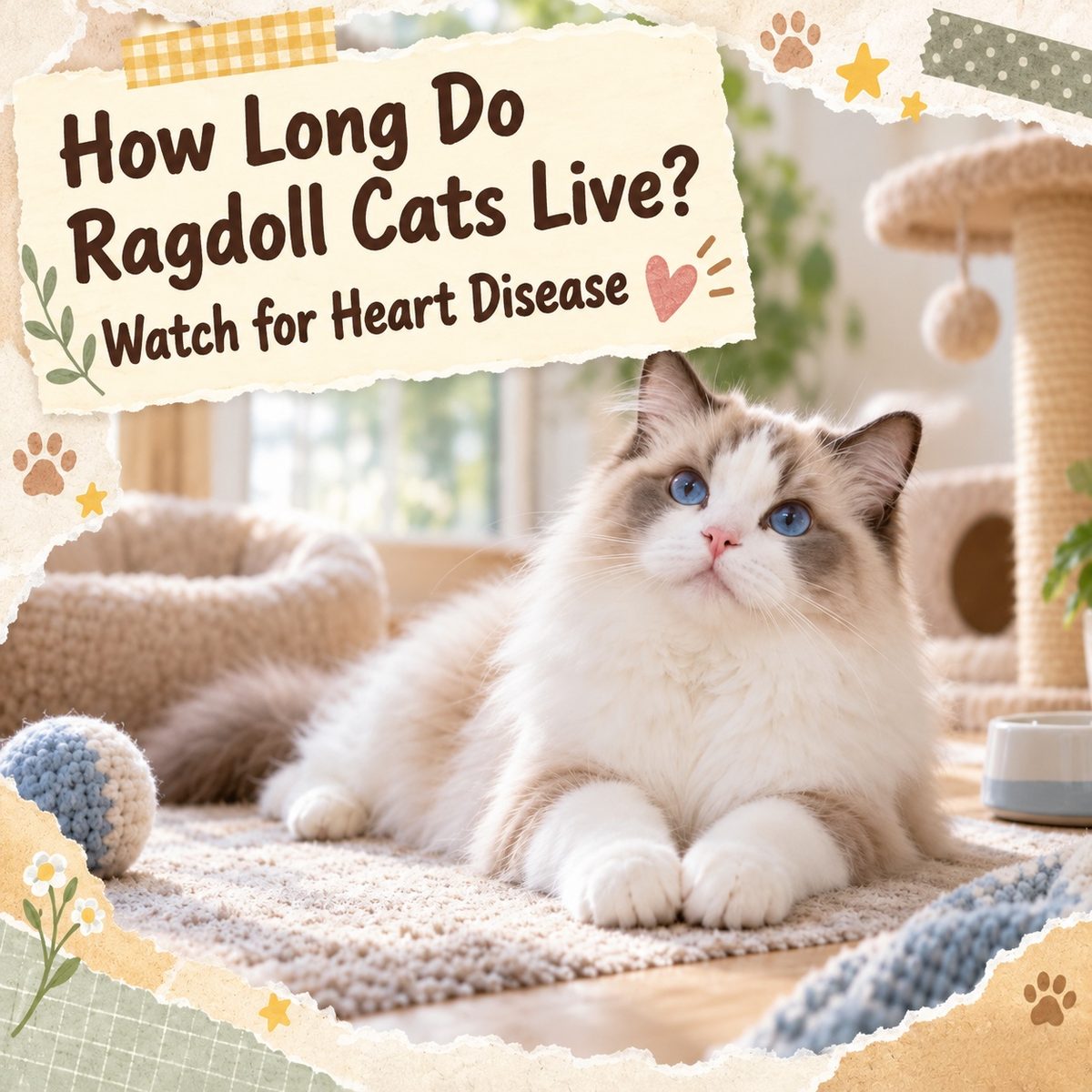
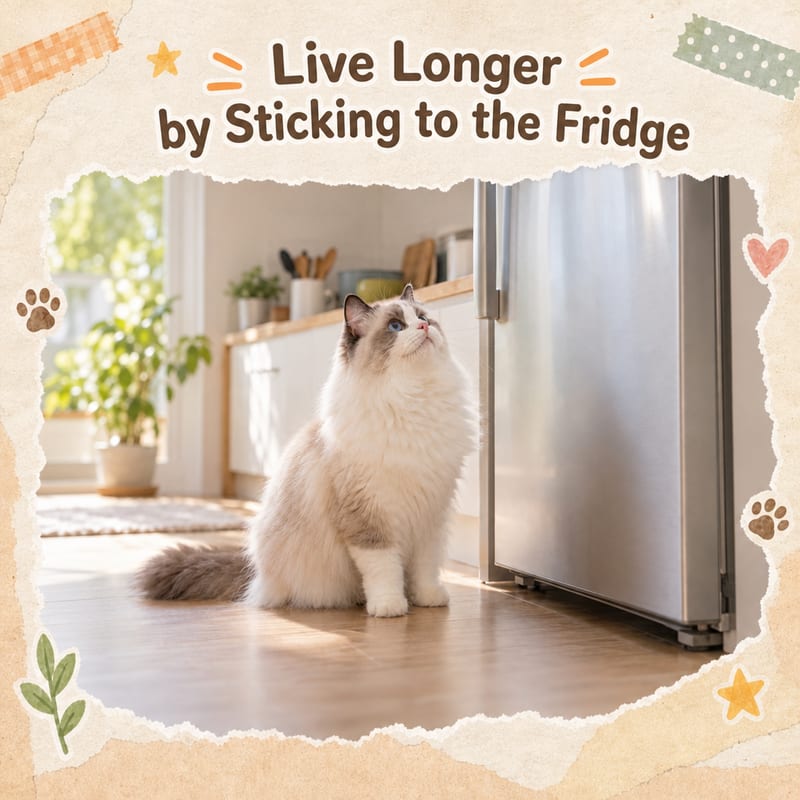
ragdoll-lifespan-hk knowledge card 1

The five major factors affecting lifespan

1. Genetics (HCM and PKD). Ragdolls are a known susceptible breed for hypertrophic cardiomyopathy (HCM), and some individuals carry the MyBPC3 gene variant; polycystic kidney disease (PKD) is relatively rare in Ragdoll bloodlines but still exists. HCM can develop only in adulthood, so 'tested clear now' does not mean 'clear forever'. Response: ask the breeder for parental screening records, and have regular cardiac ultrasound as advised by your veterinarian once adult.

2. Weight. Ragdolls generally have good appetites after neutering, and excess weight raises the risk of diabetes, joint and urinary problems. Response: measured feeding, and weigh at a fixed time each month.

3. Environmental safety. Road accidents, ingestion of foreign objects and infections from fights are the three big killers of outdoor cats; Ragdolls are naturally trusting, so letting them roam is like running naked. Response: strictly indoor plus window screens throughout the home.

4. Diet. High-quality protein and adequate water intake (a higher proportion of wet food benefits urinary health) are widely accepted directions. Response: choose cat food with complete nutritional labelling, and transition foods gradually to avoid digestive upset.

5. Frequency of veterinary care. Cats are masters at hiding symptoms, and by the time something seems wrong it is often already advanced. Response: annual check-ups for adults, every six months from 8 years old, with blood tests.
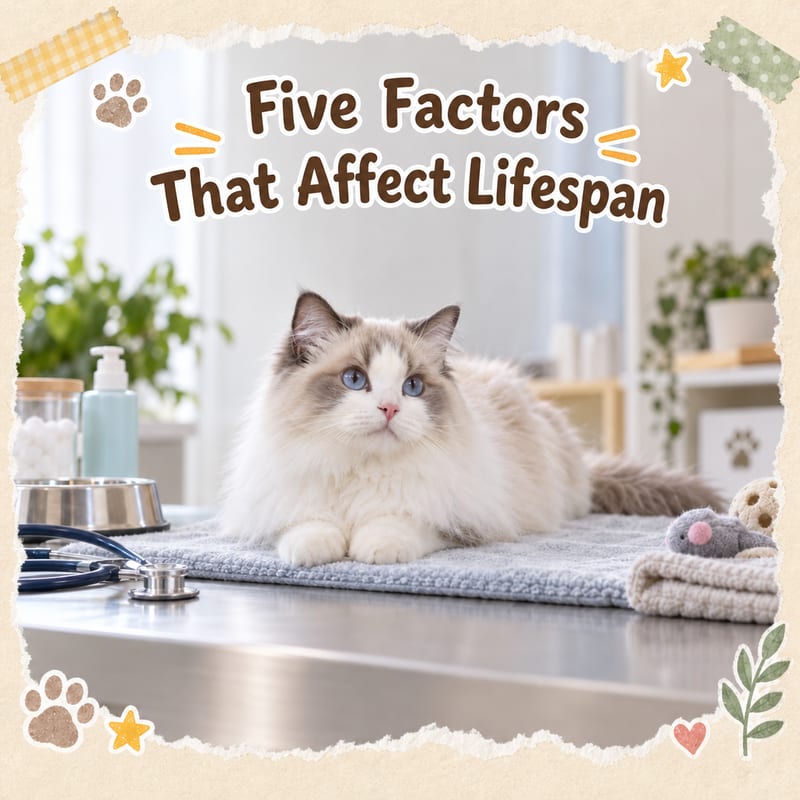
Veterinarian using a stethoscope to examine a Ragdoll's heart while the owner comforts the cat

Check-up priorities by age

Stage Age Focus
Kitten 0–1 year Vaccination schedule, deworming, weight curve tracking
Young adult 1–4 years Post-neutering weight management, first baseline blood and cardiac checks
Adult 4–8 years Annual physical exam, dental check, HCM screening at recommended intervals
Mature 8–12 years Check every six months, kidney values (SDMA/creatinine), blood pressure, thyroid
Senior 12+ years Every six months to quarterly, mobility and pain management

Longevity checklist: the kind you stick on the fridge door

  1. Strictly indoor plus window screens, zero roaming.
  2. Daily measured feeding, monthly weigh-in, maintain ideal body condition score.
  3. Increase the proportion of wet food to protect the urinary system.
  4. Keep parental genetic screening records, and have cardiac ultrasound at recommended intervals.
  5. Keep vaccinations and deworming up to date (even for indoor cats).
  6. Annual dental check—periodontal disease is linked to heart and kidney risk.
  7. From 8 years old, check-up every six months with a full blood panel.
  8. Stress management: during moves, new family members or renovations, provide extra space and reassurance; long-term stress is bad for the immune system.
  9. Emergency preparedness: note the nearest 24-hour veterinarian and a response plan for poisoning/stroke.
  10. Insurance or a medical fund, so diagnosis is not delayed for financial reasons.
Owner weighing a Ragdoll at home on a digital scale and recording it on a phone

Ragdoll diseases: which signs mean see a vet immediately

The following are red-flag signs requiring immediate veterinary attention, not a diagnostic list: rapid breathing or open-mouth breathing (possible HCM-related emergency), sudden hind-leg weakness (risk of blood clot, which Ragdolls need particular vigilance for), complete loss of appetite for more than 24 hours, persistent vomiting, frequent attempts to urinate with no urine produced (urinary obstruction is an emergency). If any of these occur, do not search for answers—contact your veterinarian directly.

Caring for the senior cat: three adjustments for the last five years

As Ragdolls enter maturity, care needs to keep up with bodily changes:

  1. Diet transition: kidney function declines with age, and veterinarians generally recommend increasing the proportion of wet food and moderately controlling phosphorus for senior cats; transition foods gradually over two weeks, as older cats' digestion is more stubborn than you might think.
  2. Pain-free environment: joint wear makes jumping onto the sofa a consideration—add intermediate steps or a ramp; switch to a low-sided litter box for easy access; move sleeping areas to warm, draught-free corners.
  3. Institutionalised observation: once a week, record 'three numbers'—weight, water intake, and number of litter box visits. Many diseases in older cats have no obvious symptoms, but these three numbers tell the story first. If any one deviates from baseline for two consecutive weeks, book an appointment without waiting.

Also, senior Ragdolls' grooming ability declines (joint pain, reduced flexibility), and fur that they used to manage well starts to mat; daily brushing upgrades from 'recommended' to 'essential' for owners, and professional grooming should be arranged if necessary.

End-of-life preparation: a lesson we all eventually face

It is not auspicious to talk about this, but a longevity article without this section is incomplete. When a cat enters the end of life, two things are worth thinking about before the 'last moment': first, discuss with your veterinarian in advance the criteria for quality-of-life assessment (appetite, mobility, ease of breathing) to avoid making decisions in a panic; second, understand local cat funeral or cremation services and costs so you are not scrambling at the time. Living with a cat with an average lifespan of just over a decade is itself a contract with a time limit—making the days within that limit good is the best arrangement for both of you.

One-sentence summary

Lifespan numbers are the cards genetics deals; how you play them is up to the owner. The genetic risks for Ragdolls are clearly known—HCM and PKD both have screening methods; and weight, environmental safety and check-up frequency are three cards entirely in your hand. Do the controllable things to the fullest, and the upper end of the 9–15 year range is the script most Ragdolls deserve.
ragdoll-lifespan-hk knowledge card 2

Frequently asked questions

Q: What is the average lifespan of a Ragdoll? A: Generally considered 9–15 years, and with indoor housing and regular check-ups can exceed 15 years. Individual variation is large; the key is the quality of care and whether screening is thorough.

Q: What are the main genetic defects in Ragdolls? A: Hypertrophic cardiomyopathy (HCM) and PKD, which needs attention. HCM is a recognised susceptibility in Ragdolls; parental screening plus regular cardiac ultrasound in adulthood is recommended.

Q: At what age does a Ragdoll become old? A: They reach adulthood at 3–4 years, enter maturity at 8–10 years, and are senior from 12 years. After maturity, the frequency of check-ups should double.

Q: Is it true that indoor cats live longer? A: Yes. Multiple statistics show indoor cats have a significantly longer average lifespan than outdoor cats; road accidents, infections and poisoning are the main sources of the difference, and Ragdolls' trusting nature makes strictly indoor housing even more important.

Q: Does obesity really shorten lifespan? A: Yes. Studies show obesity is linked to diabetes, urinary and joint problems, and it is the most worthwhile controllable factor to take seriously.

Q: What are the three most important things for longevity? A: Indoor safety, weight management, and regular veterinary check-ups according to age. All three have zero technical threshold—it is all about persistence.

Key points

  • ✅ Ragdoll lifespan is generally considered 9–15 years, and can be longer with good care.
  • ✅ HCM is a breed susceptibility: parental screening plus regular cardiac ultrasound in adulthood.
  • ✅ Strictly indoor plus window screens is the simplest and most effective longevity measure; Ragdolls are absolutely unsuitable for roaming.
  • ✅ Measured feeding plus higher wet food proportion plus monthly weighing—weight management comes second.
  • ✅ From 8 years old, check-up every six months with blood tests; do not miss kidney values and blood pressure.
  • ✅ Rapid breathing, hind-leg weakness and inability to urinate are emergency red flags—seek veterinary care immediately.

The health information in this article is for general reference only and does not constitute diagnosis or treatment advice; for individual medical arrangements for your Ragdoll, please consult a registered veterinarian.

Brand guides mentioned in this article

These brands appear in this article; their guide pages cover product lines, nutrition ranges and buying tips.

Frequently Asked Questions

📌 Key Takeaways

  • This article covers: Ragdoll lifespan: an honest number first, The five major factors affecting lifespan, Check-up priorities by age, Longevity checklist: the kind you stick on the fridge door, Ragdoll diseases: which signs mean see a vet immediately, and more
  • Jump to any section via the table of contents for the key details
  • If in doubt, consult a registered veterinarian

📚 Cat breeds article index

This article is part of the Cat breeds topic cluster. Explore related articles:

⭐ Pillar guide: Cat breeds complete guideNapoleon Cat (Minuet) Complete Guide | Hong Kong Short-Legged Longhaired Cat Personality, Price and Health Risks→ ReadBirman Cat Disadvantages: 8 Real Costs to Know Before Getting One in Hong Kong→ ReadBirman Cat Lifespan: A Must-Read Longevity Checklist for Hong Kong Owners→ ReadBirman Cat Personality and Intelligence Explained | Hong Kong Owner's Guide→ ReadBirman Cat Prices and Adoption Guide | Hong Kong 2026→ ReadWhat Are the Downsides of a Devon Rex? 7 Things Hong Kong Owners Must Know Before Getting One→ ReadDevon Rex in Hong Kong: Care Guide for the Humid Climate and the Law→ ReadHow Long Do Devon Rex Cats Live? A Hong Kong Guide to Hereditary Diseases and Health→ ReadDevon Rex Personality and Intelligence: What Hong Kong Owners Need to Know→ ReadDevon Rex Price in Hong Kong 2026: Buying vs Adoption Costs Explained→ ReadNorwegian Forest Cat Downsides Explained | 8 Things to Know Before Getting One→ ReadNorwegian Forest Cat in Hong Kong: Home, Climate and Legal Guide→ ReadNorwegian Forest Cat Lifespan and Health | HCM, GSD IV and a Longevity Checklist→ ReadNorwegian Forest Cat Personality and Intelligence: Independent, Gentle, or Clingy?→ ReadNorwegian Forest Cat Prices and Adoption Guide | Hong Kong 2026 Market Breakdown→ ReadHow Big Do Norwegian Forest Cats Get? Weight Growth Chart and Body Condition Score Explained→ ReadSomali Cat Coat Colour Guide: Ticked Multi-Tone Ruddy Gold→ ReadSomali Cat Disadvantages: 7 Things to Know Before Keeping One in Hong Kong→ ReadSomali Cat Hong Kong Care Guide | Home Climate Full Guide→ ReadSomali Cat Lifespan and Health: A Must-Read for Hong Kong Owners→ ReadSomali Cat Personality Revealed | An Active, Playful Companion Cat→ ReadSomali Cat Prices and Adoption Guide | Hong Kong 2026→ ReadSomali Cat Weight and Size: A Full Guide to Growth Curves→ ReadCalico Cat Prices: Hong Kong Adoption Routes, Costs and a Verification Checklist→ ReadCalico Cat Lifespan: Key Factors, Common Diseases and Longevity Tips for Hong Kong Owners→ ReadCalico Cat Disadvantages: 7 Real Challenges Every Hong Kong Owner Should Know→ ReadAmerican Shorthair Weight Standards and Growth Chart | Essential Hong Kong Cat Weight Guide→ ReadBritish Shorthair Weight Standards: Hong Kong Growth Curve, Male-Female Differences and Weight Chart→ ReadAre Calico Cats Really That Feisty? | Hong Kong Calico Traits × Intelligence Explained→ ReadAmerican Shorthair Personality and Intelligence | Hong Kong Companion-Cat Smarts→ ReadBritish Shorthair Personality & Intelligence: Inside the Mind of Hong Kong's Quiet Cat→ ReadIs a Calico a Breed? Tortoiseshell, Calico Tabby and White-Based Calico Explained (Hong Kong Coat Guide)→ ReadRagdoll Weight Chart: Monthly Standards and Male-Female Differences in Hong Kong→ ReadAmerican Shorthair in Hong Kong: Full Care Guide for Small Flats and Local Climate→ ReadBengal Cat Personality Explained | Hong Kong Bengal IQ, Affection and Male-Female Differences→ ReadHow Long Do British Shorthairs Live? A Hong Kong Owner's Guide to a Longer Life and Disease Risks→ ReadExotic Shorthair Lifespan: How Long Do They Live? A Hong Kong Guide to Longer, Healthier Lives→ ReadRagdoll Colour Patterns Explained: Colourpoint, Mitted, Bicolor, Colours and Prices→ ReadSiamese Cat Lifespan: Hong Kong Genetic Tendencies and a Longevity Checklist→ ReadAmerican Shorthair Lifespan: A Hong Kong Owner's Guide to a Longer Life | Disease Prevention and Health Check Schedule→ ReadHow Long Do Bengal Cats Live? | Hong Kong Bengal Genetic Risks and Longevity Guide→ ReadExotic Shorthair Personality & Intelligence | A Guide to Hong Kong's Quiet, Smart Cat→ ReadRagdoll Intelligence Explained | A Must-Read for Hong Kong Owners: Smart or Just Sweet?→ ReadSiamese Cat Personality | A Must-Read for Hong Kong Pet Owners: The Truth About the Chatterbox, the Clingy and the Highly Intelligent→ ReadAmerican Shorthair Colours & Patterns: With White, Tabby, and Price Guide (2026 Hong Kong)→ ReadBefore You Get a Bengal Cat: 8 Real Downsides and How to Handle Them in Hong Kong→ ReadExotic Shorthair Disadvantages: 8 Honest Points Hong Kong Owners Must Know→ ReadHow Many Siamese Cat Colours Are There? Four Key Point Colours Plus Pattern Variants (Hong Kong)→ ReadAmerican Shorthair Disadvantages: 7 Honest Assessments and Solutions for Hong Kong Owners→ ReadBengal Cat Prices and Adoption Guide: Hong Kong Cattery Rates, Adoption Routes and a Pre-Purchase Checklist→ ReadExotic Shorthair Hong Kong Care Guide|Humidity Protection for Flat-Faced Cats & Heat Relief→ Read8 Real Downsides of Ragdoll Cats: At Least HK$1,100 a Month (Hong Kong)→ ReadSiamese Cat Disadvantages: Loud, Clingy, Prone to Separation Anxiety (Hong Kong)→ ReadAbyssinian Cat Colour Guide|Four Main Colours, Prices and Hong Kong Market→ ReadAbyssinian Cat Disadvantages: 7 Things to Know Before Getting One in Hong Kong→ ReadAbyssinian Cat Hong Kong Care Guide: High-Jump Champion in a Small Flat→ ReadAbyssinian Cat Lifespan and Health: A Hong Kong Genetic Screening Guide→ ReadAbyssinian Cat Personality Revealed | Hong Kong Cat Owner Must-Read: How Smart Is the 'Dog of the Cat World'?→ ReadAbyssinian Cat Price: Hong Kong Catteries, Adoption and Verification Guide→ ReadAmerican Shorthair Price and Adoption Guide | Hong Kong 2026→ ReadBengal Cats in Hong Kong: The Complete 2026 Guide to Small Flats, the Law, and Humidity & Heat Protection→ ReadThe Downsides of Domestic Cats: The Truth and How to Handle It Before Getting a Hong Kong Cat→ ReadHow Long Do Domestic Cats Live? A Hong Kong Guide to Health Management and Longer Life→ ReadDecoding the Domestic Cat Personality | Hong Kong Street Cat Blind Box: Why They're So Loved→ ReadAdopting a Domestic Cat in Hong Kong: AFCD & SPCA Fees, Procedures, and Public Housing Rules→ ReadEgyptian Mau Disadvantages: The Truth Hong Kong Owners Must Know Before Getting One→ ReadEgyptian Mau Lifespan: Health Risks and Longevity Guide for Hong Kong→ ReadEgyptian Mau Personality Revealed | Hong Kong Cat Owner Must-Read: The Cat That Acts Like a Dog, Loyal to One Family for Life→ ReadEgyptian Mau in Hong Kong: Price and Adoption Guide 2026 – Market Rates and Verification Checklist→ ReadExotic Shorthair Price & Adoption Guide | Hong Kong Buying Market 2026→ ReadHimalayan Cat Disadvantages: 8 Truths to Know Before Owning One in Hong Kong→ ReadHimalayan Cat Hong Kong Care in Practice: What to Do About the Hot and Humid, Heat-Sensitive Problem|The Complete Longhair Flat-Face Guide→ ReadHow Long Do Himalayan Cats Live? A Must-Read 12–15 Year Health Guide for Hong Kong Owners | PetChill Cat Encyclopedia→ ReadHimalayan Cat Personality: Persian Calm Meets Siamese Spark — Which Suits Hong Kong? | PetChill→ ReadHimalayan Cat Price and Adoption in Hong Kong: 2026 Cattery Guide→ Read7 Disadvantages to Know Before Getting a Munchkin Cat | A Practical Guide to Keeping Short-Legged Cats in Hong Kong→ ReadMunchkin Cat Care in Hong Kong: Daily Management in Small Flats, Heat and Humidity, and Short Legs→ ReadHow Long Do Munchkin Cats Live? Hong Kong Short-Leg Gene Health Risks and a Longevity Checklist→ ReadMunchkin Cat Personality: 5 Traits of Hong Kong's Short-Legged Comedian→ ReadMunchkin Cat Prices and Adoption: Hong Kong Market Rates and Verification Checklist 2026→ ReadPersian Cat Disadvantages: 8 Things Hong Kong Owners Must Know Before Buying (Chinchilla Included)→ ReadPersian Cat Lifespan: How Long Do They Live? Hong Kong Chinchilla Lifespan and Disease Guide | PetChill Cat Encyclopedia→ ReadPersian Cat Personality & Chinchilla Temperament: Intelligence Explained | The Truth About Hong Kong's 'Quiet Aristocrat'→ ReadPersian Cat Prices in Hong Kong: Chinchilla Costs and Adoption Guide | PetChill→ ReadRagdoll Cat Care Essentials in Hong Kong: Climate, Home and Legislation→ ReadThe Downsides of Owning a Russian Blue | 8 Real Costs Every Hong Kong Cat Owner Should Know→ ReadRussian Blue Lifespan: How Many Years? | Hong Kong 15+ Year Longevity Checklist→ ReadRussian Blue Personality: A Hong Kong Cat Owner's Guide to the Loyal, Intelligent Cat Behind the Shy Exterior→ ReadRussian Blue Price and Adoption Guide | Hong Kong 2026→ ReadSiamese Cats in Hong Kong: A Care Guide for Climate, Flats and Company→ ReadSphynx Colour Guide: Every Skin Colour and Pattern Explained for Hong Kong Owners→ ReadSphynx Cat Disadvantages, Personality, Price and Care: A Hong Kong Guide→ ReadHow Long Do Hairless Cats Live? Sphynx Health Risks and Longevity Guide for Hong Kong→ ReadSphynx Cat Personality Revealed | Hong Kong Cat Owner's Must-Read: How Smart Is This Clingy Dog-Like Cat?→ ReadSphynx Cat Price 2026: Hong Kong Cattery and Adoption Guide→ ReadThe Downsides of Keeping a Turkish Angora | 7 Real Costs in Hong Kong→ ReadTurkish Angora Lifespan: How Long Do They Live? | Hong Kong Owner's Guide to Genetic Red Flags and a Longevity Checklist→ ReadTurkish Angora Personality: The Smart, Chatty 'Fox of Cats' | Hong Kong Care Guide→ ReadTurkish Angora price and adoption guide: 2026 Hong Kong market, routes and waiting lists→ ReadSilver Shaded Cats & British Shorthair Colours: Golden Shaded vs Blue & White, Differences and Prices→ ReadBritish Shorthair Disadvantages: Prone to Obesity, Heavy Shedding, Not a Lap Cat | Are They Easy to Keep?→ ReadBritish Shorthair Hong Kong Care Guide|Small Flat Hot & Humid Weather Tips→ ReadBritish Shorthair Cat Price and Adoption Guide|Hong Kong 2026→ ReadMaine Coon Colours Ranked: A Full Guide to 30+ Colours, Patterns and Popular Shades→ Read8 Real Disadvantages of Maine Coons: Space, Grooming, Costs & Solutions→ ReadMaine Coon Genetic Health Screening: HCM, SMA, PKD & GALC→ ReadThe Complete Guide to Keeping a Maine Coon in Hong Kong: Space, Air-Conditioning, Building Regulations→ ReadHow Long Do Maine Coons Live? 5 Key Factors Behind 12–15 Years | Hong Kong Edition→ ReadMaine Coon Personality and Intelligence: What Makes the Gentle Giant Tick | Hong Kong→ ReadMaine Coon Price in Hong Kong 2026: Buying, Adoption & Full Cost Guide→ ReadHow Big Do Maine Coons Get? Males 6-10 kg, Up to 120 cm Nose to Tail→ ReadOriental Shorthair Colour Guide | Hong Kong Picking Guide: How to Choose from 300 Colours→ ReadOriental Shorthair Disadvantages: 7 Things to Know Before Getting One in Hong Kong→ ReadOriental Shorthair in Hong Kong: A Care Guide for Small Flats, Humidity and Public Housing→ ReadOriental Shorthair Lifespan: Health Risks and Longevity Checklist for Hong Kong Owners→ ReadOriental Shorthair Personality Explained | Hong Kong Care Guide: The Clingy, Chatty 'Dog of Cats'→ ReadOriental Shorthair price and adoption in Hong Kong (2026): cattery vs rescue costs→ ReadOriental Shorthair Weight & Growth Curve: What's Normal for Hong Kong Owners→ ReadRagdoll Cat Prices and Adoption Guide | Hong Kong 2026→ ReadSiamese Cat Prices and Adoption Guide (Hong Kong) 2026→ ReadBengal Cat Care Guide in Hong Kong | Personality, Exercise Needs and Health Watch→ ReadBritish Shorthair Care Guide for Hong Kong | Personality, Weight Control and Health Checks→ ReadAdopting a Hong Kong Cat: Personality, Health Advantages and Adoption Steps→ ReadMunchkin Cat Short-Leg Guide | Essential Reading for Hong Kong Cat Owners: Personality, Spinal Risks and Ethical Debate→ ReadPersian Cat Care Guide for Hong Kong | Long-Hair Grooming, Tear Stains and Kidney Screening→ ReadRussian Blue Cat Hong Kong Care Guide | Silver-Blue Coat, Green Eyes and Personality→ ReadSphynx (Hairless Cat) Complete Guide | Skin Care, Personality, Keeping in Hong Kong→ ReadHong Kong Cat Breeds Guide 2026: 12 Breeds Compared by Personality and Price→ ReadMaine Coon Hong Kong Care Guide 2026 | Personality, Price, Space Needs→ ReadRagdoll Cat Complete Guide 2026 | Personality, Price, Care Essentials, Hong Kong Adoption Info→ ReadSiamese Cat | Full Guide to Price, Personality and Colours (Hong Kong 2026)→ Read

Products mentioned in this article

4 items · prices checked 2026-10-21

  • Nutriplan Cat Food Complete Health Nutritional Formula 5kg (64352)Special offer

    Nutriplan Cat Food Complete Health Nutritional Formula 5kg (64352)

    HK$123HK$128

    About HK$24.6 per kg

    Details

    Price checked 2026-10-21; the store page shows the live price, stock and offers.

  • Bella & Molly's Dutch Berry Royal Selected Cat Food AAFCO Anti-Aging Grain-Free Single Protein Salmon Formula 50g (Limited Time Experience)

    Bella & Molly's Dutch Berry Royal Selected Cat Food AAFCO Anti-Aging Grain-Free Single Protein Salmon Formula 50g (Limited Time Experience)

    HK$10

    About HK$200 per kg

    Details

    Price checked 2026-10-21; the store page shows the live price, stock and offers.

  • Hills Cat Food Life Stage Series Adult Formula Chicken 490g (609885)

    Hills Cat Food Life Stage Series Adult Formula Chicken 490g (609885)

    HK$55

    About HK$112.24 per kg

    Details

    Price checked 2026-10-21; the store page shows the live price, stock and offers.

  • Royal Canin Cat Food EXIGENT Royal Canin Cat Food Fussy Eater Adult 4kg (2531040011)

    Royal Canin Cat Food EXIGENT Royal Canin Cat Food Fussy Eater Adult 4kg (2531040011)

    HK$540

    About HK$135 per kg

    Details

    Price checked 2026-10-21; the store page shows the live price, stock and offers.

The products above are store items related to this article. Prices are reference prices as of the check date (about HK$728 in total); the store page always shows the live price, stock and offers. This article is not medical advice.

You may also like