
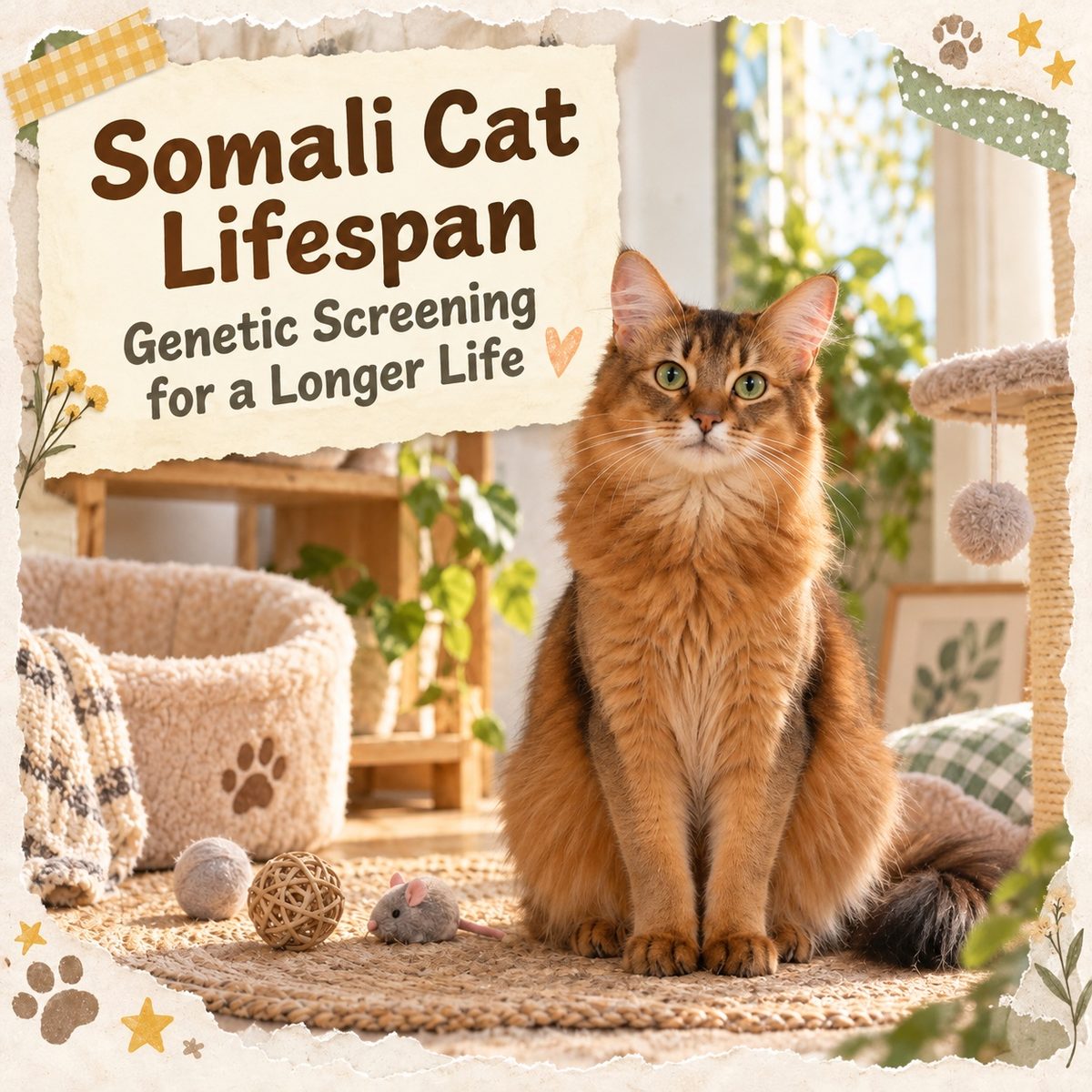
Quick answer: The average lifespan of a Somali cat is generally considered to be around 12 years, and with good care, they can live to 15-18 years. Four key factors affect longevity: weight management, dental health, PK deficiency genetic screening, and regular blood and urine tests from 7-8 years old. This breed is generally robust, and as long as genetic risks are managed early, a long life is not out of reach.
Want to learn more about Somali cats? Continue reading the series below.
1. Lifespan range and age conversion
| Stage | Approximate age | Health focus |
|---|---|---|
| Kitten | 0–1 year | Vaccinations, deworming, socialisation, weight records |
| Adult | 1–7 years | Weight control, dental care, annual check-ups |
| Mature | 7–11 years | Annual blood and urine tests, monitor kidney function |
| Senior | 11+ years | Check-ups every six months, joint and cognitive attention |
A cat's first year is roughly equivalent to 15 human years, and each subsequent cat year is about 4 human years. In other words, a 12-year-old Somali cat is physically around 60-something in human terms. Starting maintenance a few years earlier is far more effective than remedial action later. Note that average lifespan is a statistical value, not a guarantee; indoor cats generally live longer than free-roaming cats because the risks of accidents and infectious diseases are greatly reduced. Somali cats are an active breed, so the indoor environment must provide enough stimulation and they should not be confined to a cage long-term.
2. Four major factors affecting lifespan
First is weight: Somali cats are lively and active, but if they eat too much and exercise too little over the long term, they will still get fat—obesity is upstream of diabetes and joint problems. Second is dental: this breed has crowded teeth, so the risk of gingivitis and tartar is higher, and long-term oral problems can affect the heart and kidneys. Third is genetics: recessive inheritance such as PK deficiency can be screened, and obtaining the parents' test records when getting a cat is the most practical risk management. Fourth is frequency of medical care: the earlier baseline blood and weight data are established, the easier it is to detect abnormalities. One often overlooked point: regular weighing. Weight is the simplest health indicator; unexplained weight loss is often an early sign of disease, appearing earlier than blood test changes. In addition, stress and environmental changes can affect immunity, so a stable home and regular routine are also longevity factors.
3. PK deficiency: the breed-specific first line of defence
Pyruvate kinase deficiency (PK deficiency) is a genetic concern specific to Somali cats (along with Abyssinian cats). Red blood cells lack the PK enzyme, leading to chronic hemolytic anemia. It is an autosomal recessive inheritance—a cat only develops the disease if both parents carry the gene, so since screening became widespread, severe cases have greatly decreased. Cats that carry the gene but do not develop the disease are no different from normal cats in daily life, but must avoid certain oxidative drugs and toxins for life (for example, accidentally eating onion-type foods is a direct danger). Practical steps: request the parents' genetic test reports when getting a cat; if the cat itself carries the gene, record it and inform the veterinarian, and proactively remind them when prescribing medication. Also avoid feeding onions, garlic, and other oxidative foods. Asking the breeder for the parents' PK gene test records before getting a cat is the most reliable step.
4. Kidneys and dental: two long-term lines
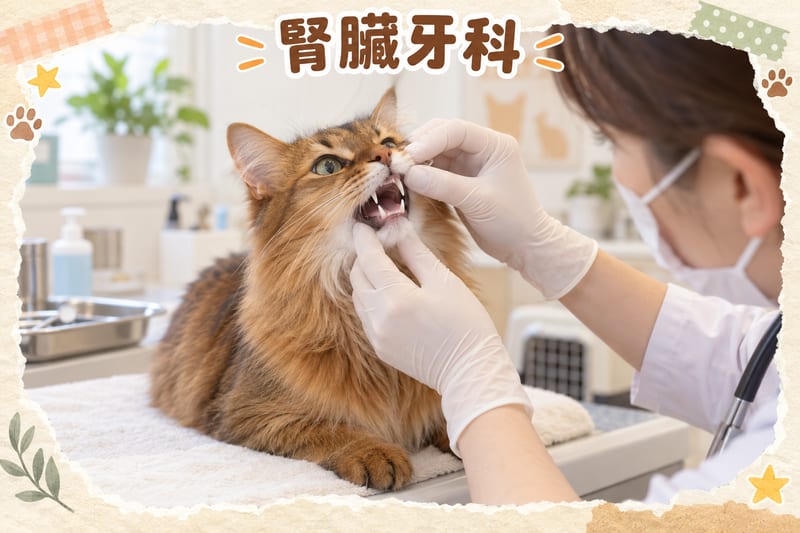
Kidneys: there are case reports of renal amyloidosis in Somali cats, which requires long-term monitoring. Warning signs include a sudden increase in water intake, increased urination, and unexplained weight loss—seek veterinary care immediately if you see these. Dental: a small lower jaw and crowded teeth make gingivitis and tartar more likely, and professional cleaning may be needed after 3 years of age. Daily brushing established from kittenhood is most effective; combined with regular check-ups and cleaning when necessary, it can greatly reduce pain and complications. Before cleaning, the veterinarian will usually do blood tests to assess anaesthetic risk, especially for senior cats. Also, dental problems affect more than appetite; long-term gingivitis allows bacteria into the bloodstream, increasing the burden on the heart and kidneys—so brushing is not something to do "when there's time", but a long-term health investment.
5. Longevity checklist: seven things you can start right away
- Control weight: weigh regularly, adjust food portions based on body condition score, avoid free-feeding
- Daily exercise: two to three interactive play sessions to maintain muscle and cardiovascular health
- Dental care: brush daily or every other day, check the mouth annually
- Regular blood and urine tests: once a year from 7-8 years old to establish a baseline
- Vaccinations and deworming: do them on time as advised by the veterinarian, don't delay
- Environmental safety: window screens, store medications and cleaning products safely, reduce accidents
- Genetic screening: confirm parents' tests before getting a cat, and take precautions with medication if the cat carries the gene
None of these seven require high technology; all are a matter of discipline. Cats that have all of these generally live two to three years longer than those left to their own devices. The most easily overlooked is environmental safety—Somali cats are strong jumpers, so windows, balconies, and high places need to be addressed in advance.
6. Health comparison with Abyssinian and Maine Coon cats
People who search for "Abyssinian cat diseases" or "Maine Coon lifespan" are often comparing several breeds. The health risks of Somali and Abyssinian cats are basically the same, because they are very closely related, and the genetic concerns (PK deficiency, kidneys, dental) are identical. Maine Coons have additional common large-cat issues such as cardiomyopathy (HCM) and hip joints, and their lifespan statistics are generally slightly shorter. From a genetic risk perspective alone, Somali cats are low-to-medium risk, and the focus can be on screening and long-term check-ups. Regardless of breed, the core of longevity is "early detection, early management"—the baseline data established by regular check-ups is the most important basis for veterinarians to judge abnormalities.
7. When to seek veterinary care immediately
The following warning signs cannot wait: a sudden large increase in water intake or urination, unexplained weight loss, persistent not eating or lethargy, red and swollen gums with drooling, rapid breathing or open-mouth breathing. Somali cats are good at hiding discomfort, and by the time obvious symptoms appear, it is often already late, so it is better to seek care early. Kittens and senior cats have even lower tolerance; if any one of these appears, contact the veterinarian the same day, and don't take the attitude of "observe for a few days first", because a cat's condition can change very quickly.

Key summary
- ✅ Somali cats average around 12 years, with good care living 15-18 years
- ✅ Four major influencing factors: weight, dental, genetics, frequency of medical care
- ✅ Regular weighing is the simplest health indicator; sudden weight loss is an early warning sign
- ✅ PK deficiency is recessive; parents' genetic testing is the most practical screening
- ✅ Kidneys need long-term monitoring: sudden increase in water intake and weight loss are warning signs
- ✅ From 7-8 years old, annual blood and urine tests to establish baseline data
- ✅ All seven longevity checklist items are about discipline, not high technology
Related reading
- Full list of Somali cat disadvantages
- Somali cat Hong Kong keeping guide
- Somali cat weight and body size analysis
- Oral care products, wet food, and weighing scales: get them all at PetChill pet supplies.
The medical content in this article is general information and cannot replace veterinary diagnosis; for symptoms such as anemia, kidney, or dental issues, please consult a registered veterinarian, and seek early care if in doubt.
 Fuji One full guide →





