
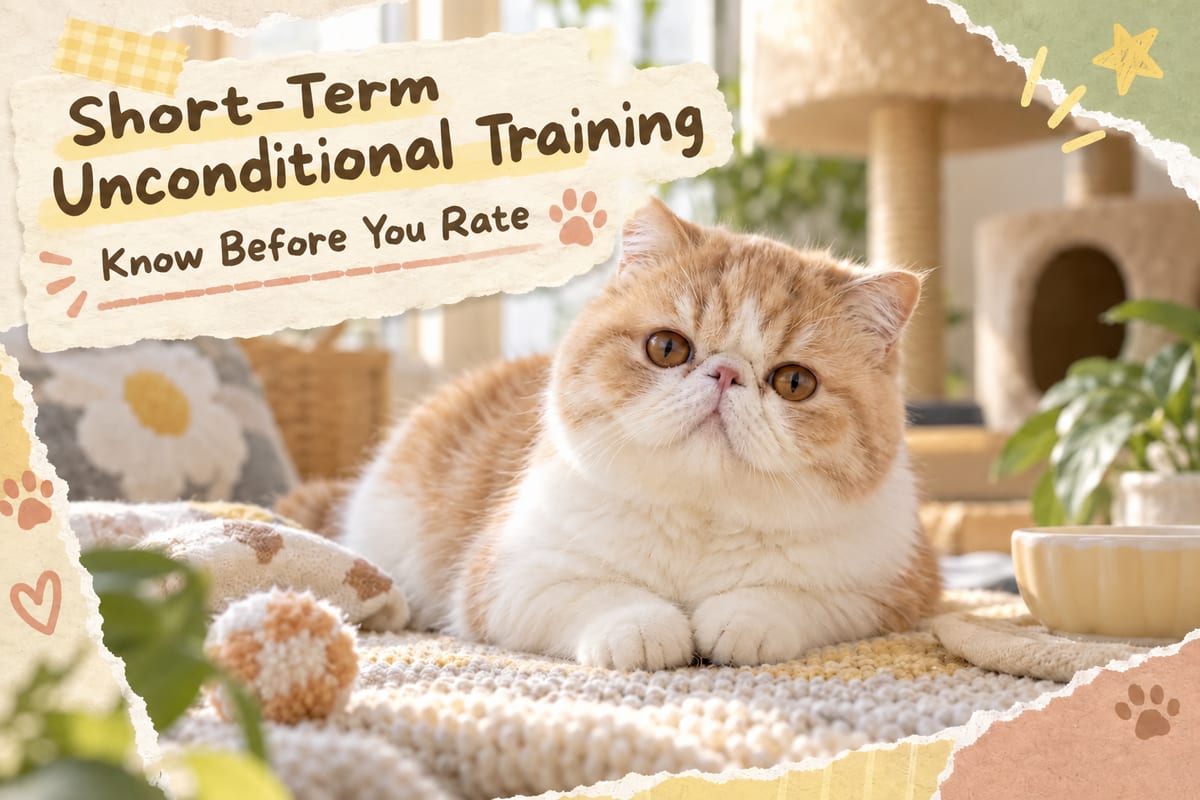
Quick answer: The main disadvantages of the Exotic Shorthair centre on the chain of problems caused by its flat-face structure: sensitive airways, tear staining, heat sensitivity, easy weight gain, plus a genetic tendency to polycystic kidney disease from Persian ancestry, and relatively high medical costs. The advantages are that they are quiet, have simple coat care, and a gentle nature. Below are 8 disadvantages with solutions to help you do your homework before bringing one home.
Want a full picture of the Exotic Shorthair? Start with the Exotic Shorthair breed profile.
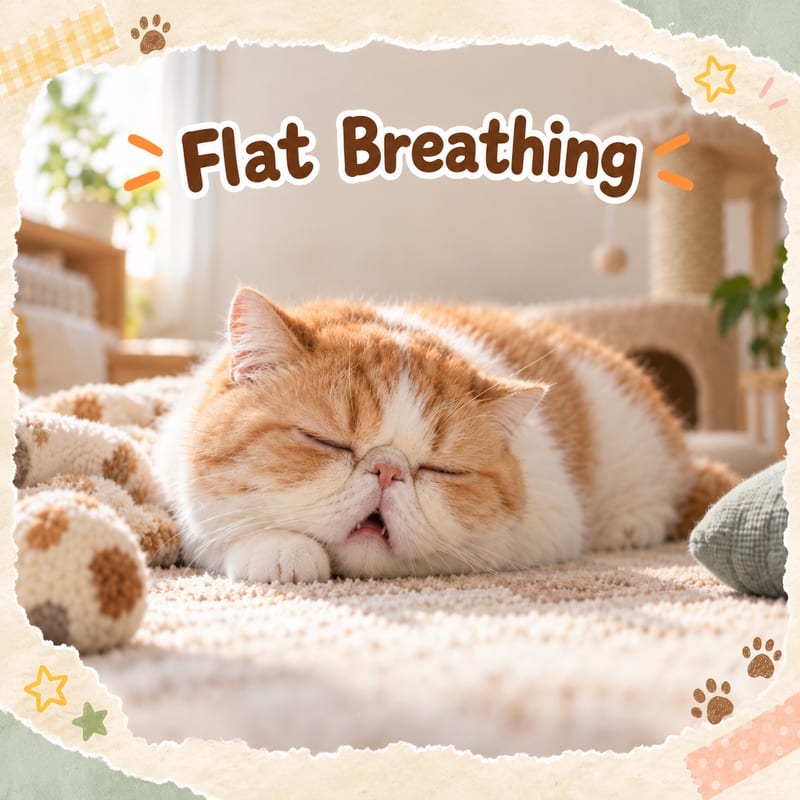
Disadvantage 1: Flat-face airways—the structural issue behind sleep sounds
The Exotic Shorthair's most obvious feature is also its most off-putting responsibility. A short nose makes the airway narrower, and many Exotic Shorthairs have a slight snore or coarse breathing sound long-term. Solution: Avoid individuals with very heavy breathing or that gasp after exercise; keep air-conditioning on and humidity low at home; avoid collar pressure (use a harness instead) to reduce airway compression. If breathing suddenly worsens or open-mouth breathing appears, that is an emergency—see a vet immediately.
Disadvantage 2: Tear staining—a daily chore
Flat-faced cats have shallow eye sockets and poor tear drainage, so the area around the eyes stays moist and forms reddish-brown tear stains, more obvious on humid days. Solution: Clean around the eyes daily with cat-specific cleaning solution and a soft cloth, then dry; check for eyelash irritation; if one side suddenly worsens or eye discharge turns yellow-green, it may be an infection and needs a vet. Cost guidance: cleaning supplies about HK$50–100 per month.
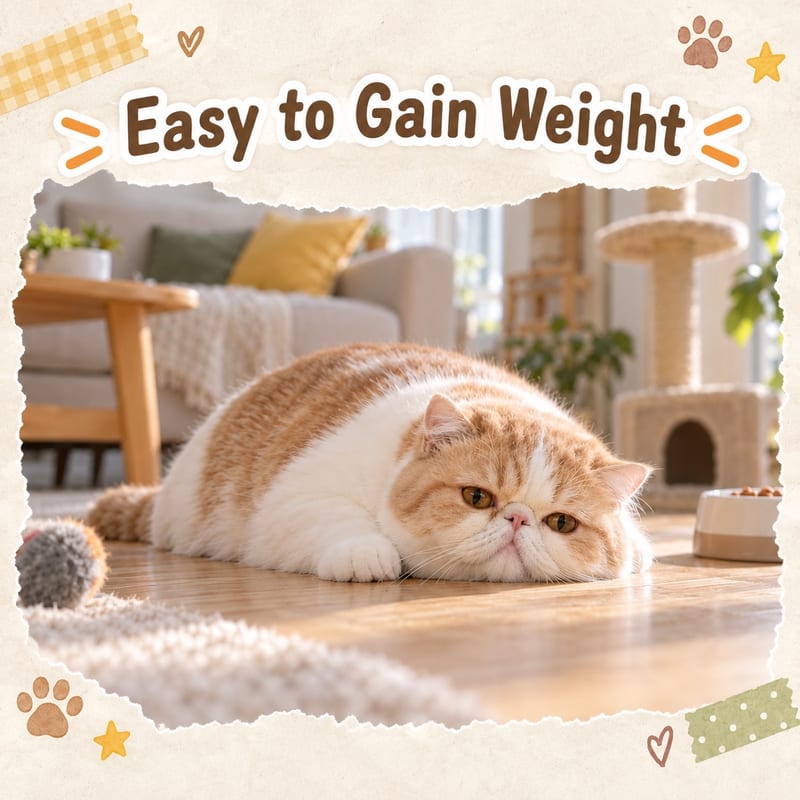
Disadvantage 3: Easy weight gain plus low activity
The Exotic Shorthair is a recognised 'couch potato': round, lazy, with a steady appetite, gaining weight silently. Obesity combined with the flat-face structure puts extra strain on joints and breathing. Solution: From kittenhood, feed measured portions (calculate daily calories, not free-feeding); two interactive play sessions daily; weigh at a fixed time each month and plot a trend line. A cat food scale is one of the best value-for-money investments.
Disadvantage 4: Genetic tendency to polycystic kidney disease (PKD)
PKD is a known genetic disease in Persian lines (including Exotic Shorthairs), where cysts form in the kidneys and may affect function in middle age. Authoritative resources including the UC Davis Veterinary Medical Teaching Hospital genetic disease database have long recorded this breed-related risk and screening recommendations. Solution: Ask the cattery for PKD ultrasound screening results of the parents and even grandparents; for adopted cats, annual ultrasound screening is recommended, especially after age 7. Early detection plus diet management can greatly slow progression.
Disadvantage 5: Heat and stuffiness sensitivity—a Hong Kong summer task
As mentioned earlier, here we add the cost side: summer air-conditioning electricity bills, arrangements when going out (asking a neighbour or pet boarding hotel), and educating all family members (don't leave windows open when going out). These are hidden expenses of keeping a flat-faced cat.
Disadvantage 6: Medical costs tend to be high
Eye, respiratory, weight-related and PKD screening costs make the average medical spending for Exotic Shorthairs higher than for ordinary domestic cats. Solution: In your budget, set aside HK$2,000–4,000 per year for routine medical care plus an emergency fund of HK$10,000–20,000, or consider pet insurance; choosing a cattery with full health certificates is the most practical 'medical investment'.
Budget should cover both purchase price and monthly expenses; for market prices and adoption routes see the Exotic Shorthair price guide.
Disadvantage 7: Low training motivation
Exotic Shorthairs are smart but 'can't be bothered to show it', so command-based training is not very effective; they are not suitable for owners who want a cat that will shake hands. Solution: Use positive food-reward training for practical behaviours such as getting into a carrier, car travel, and nail clipping; set goals for 'cooperation with daily life' rather than 'performance tricks'.
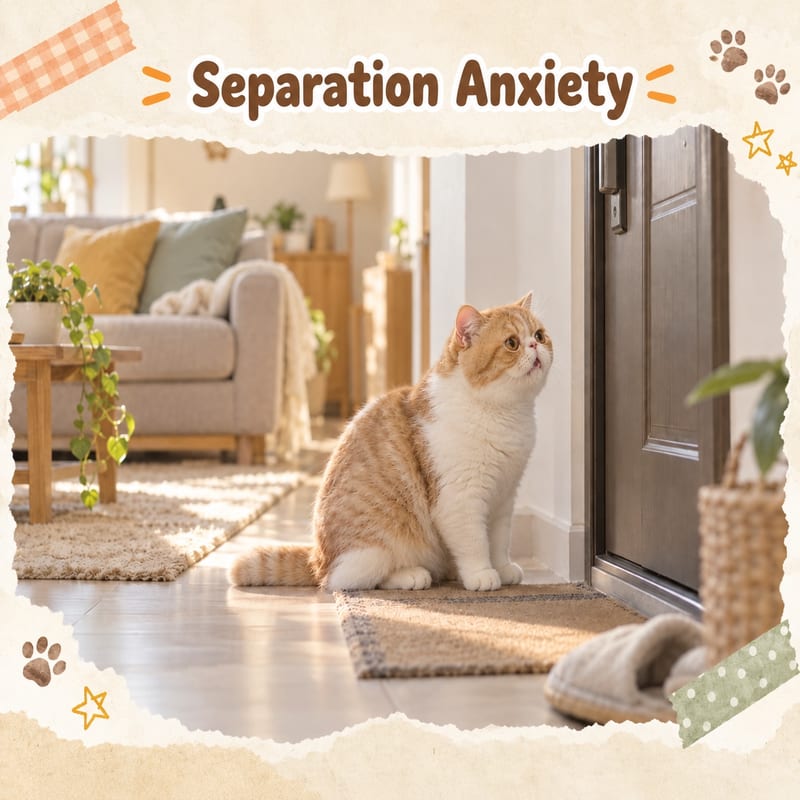
Disadvantage 8: Tendency to separation anxiety
The gentle, attached personality has another side: some Exotic Shorthairs become depressed or wait excessively when left alone. Solution: Keep a fixed routine, play before leaving home and use puzzle feeders; if you are out for long periods, consider keeping two as companions.
Summary table: disadvantage × solution × cost
| Disadvantage | Solution | Cost guidance |
|---|---|---|
| Sensitive airways | Air-conditioning, low humidity, harness, avoid extreme flat types | Electricity, screening when buying |
| Tear staining | Daily cleaning and drying | HK$50–100 per month |
| Easy weight gain, low activity | Measured feeding plus daily play | Food scale, food control |
| PKD tendency | Parents' screening records, annual ultrasound | HK$600–1,500 per check |
| Heat sensitivity | Summer environment management, boarding plan | Electricity, boarding fees |
| Higher medical costs | Insurance or emergency fund | HK$2,000–4,000 per year |
| Low training motivation | Positive reward for practical behaviours | Treats, training time |
| Separation anxiety | Fixed routine, companionship arrangements | Puzzle toys |
Some people should especially not keep an Exotic Shorthair
To be frank, some situations are worth reconsidering: First, households that cannot keep air-conditioning on all summer—there is no compromise for heat dissipation; Second, owners who expect a cat to run, jump and perform, with strong interaction—low motivation is a trait, not a defect, but it will disappoint you; Third, situations where the budget only covers 'buying the cat' but not 'keeping the cat'—medical reserves for flat-faced breeds cannot be skimped on; Fourth, flats where the tenancy terms do not allow cats—you won't be able to keep it stably even if you buy it. If you are not in the above four categories, the Exotic Shorthair's list of disadvantages is actually a 'to-do list on time'; do it all and it is a companion cat with a very high return.
After the disadvantages, a fair word
Exotic Shorthairs are quiet, affectionate, have much simpler coat care than Persians, and are extremely friendly for small flats and elderly households. None of the eight points above is a 'fatal flaw'; all have clear solutions—the only real disadvantage is: if you don't plan to do any of the above, then all of them will become problems. For those searching 'British Shorthair disadvantages', 'Persian disadvantages' or 'Exotic Shorthair pros and cons', the logic of this list applies equally.
A three-minute breathing observation test when choosing a cat
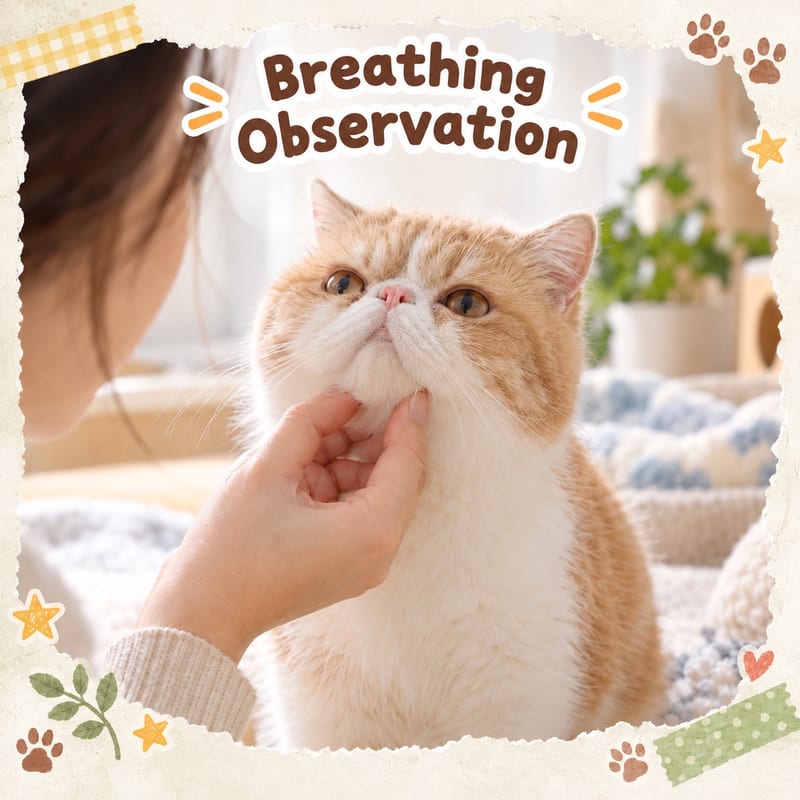
When you see an Exotic Shorthair at a cattery or adoption centre, knowing what to observe can help you avoid the most serious problems: ask the staff to let the cat move freely in front of you for three minutes—walk around, play a little, then stand closer and listen to the breathing. A normal Exotic Shorthair's breathing should be almost inaudible; if after a few steps there is obvious snoring, prolonged inhalation, effortful nostril flaring, or even neck extension to help breathing, these are signs of airway narrowing—consider walking away or asking for a vet assessment first. Also check a second thing: whether the eyes close completely and whether there is long-term wet staining or skin inflammation around the eyes—eye problems in flat-faced cats are usually written on their faces before three months of age. This three-minute observation needs no equipment, yet directly affects the next ten years of medical bills and the cat's quality of life.
Frequently asked questions
Q: What are the most common health problems in Exotic Shorthairs? A: Flat-face related breathing and eye issues, genetic tendency to polycystic kidney disease, and urinary and joint strain from obesity. Regular checks plus diet control are the core of prevention.
Q: Are Exotic Shorthairs easy to care for? A: Medium maintenance. Coat care is simple, but daily facial cleaning and weight management cannot be skimped on.
Q: Are Exotic Shorthairs very noisy? A: Generally not; they are recognised as a quiet breed, suitable for small flats with average soundproofing.
Q: Is it true that flat-faced cats easily get heatstroke? A: Yes. A structural disadvantage in heat dissipation; air-conditioning in Hong Kong summers is a necessity, not a luxury.
Q: Are medical costs for Exotic Shorthairs much higher? A: The trend is higher, mainly concentrated in eye care, respiratory assessment and PKD screening. Insurance depends on the terms; confirm genetic disease coverage before taking out a policy.
Q: Which has fewer disadvantages, the Exotic Shorthair or the British Shorthair? A: The lists are different rather than more or fewer: British Shorthairs have HCM concerns and an obesity tendency, while Exotic Shorthairs' issues centre on flat-face structure. Both are prone to weight gain.
Key takeaways
- ✅ The flat-face structure is the root of all Exotic Shorthair disadvantages: breathing, tears, heat sensitivity, medical costs.
- ✅ Daily facial cleaning + measured feeding are two non-negotiable daily tasks.
- ✅ When buying a cat, always check parents' PKD and heart screening; for adopted cats, annual ultrasound is recommended.
- ✅ Budget for higher medical reserves or insurance than for an ordinary domestic cat.
- ✅ All disadvantages are manageable; what is not manageable is actually the premise of 'not planning to manage'.
Related reading
- Exotic Shorthair personality and intelligence analysis
- Exotic Shorthair lifespan and longevity guide
- Key points for keeping Exotic Shorthairs in Hong Kong
- Flat-faced food bowls, food scales and eye cleaning supplies: get them all at PetChill pet supplies.
The diseases and screening arrangements mentioned in this article are general information; for individual cats' health judgements please consult a registered veterinarian.



