Quick answer: The Exotic Shorthair lifespan is generally considered to be in the 10–15 year range, making them a medium-to-long-lived domestic cat. Three major variables affect their lifespan: whether polycystic kidney disease (PKD) genetic screening has been done, whether weight is controlled, and whether the heatstroke and respiratory risks of the flat face are managed. See the longevity checklist below; for medical decisions, always follow the advice of a registered veterinarian.
Want to know the Exotic Shorthair inside out? Start with the Exotic Shorthair breed profile.
Exotic Shorthair Lifespan: What the Data Says and How to Read It
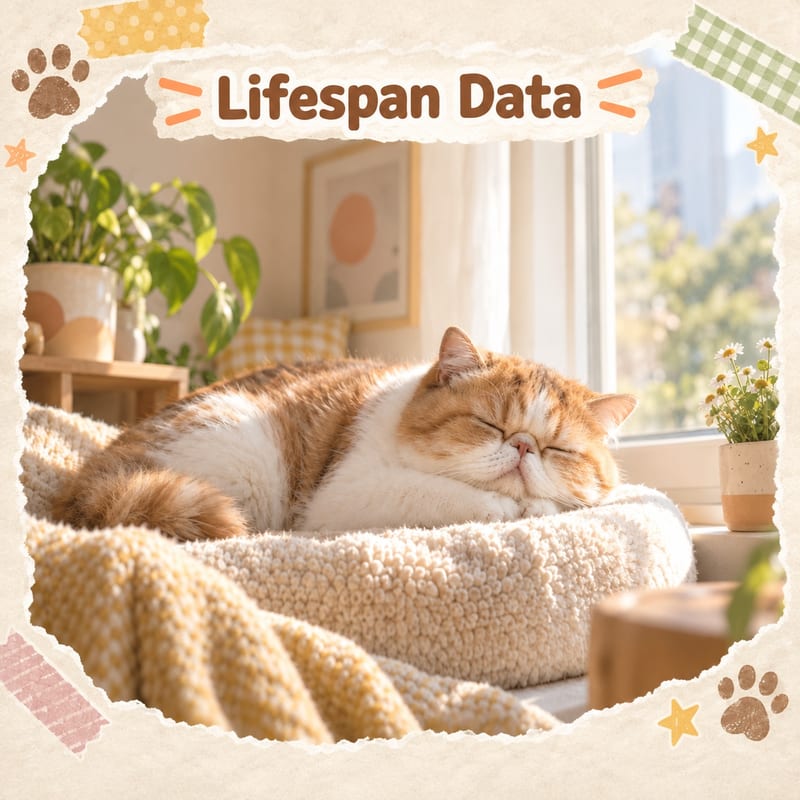
Overall cat lifespan varies hugely with how they are kept: indoor domestic cats generally live much longer than outdoor cats, a point well established in veterinary literature. At breed level, breed registries such as CFA generally give 10–15 years as the common range for the Exotic Shorthair. Read that number sensibly:
| Scenario | Lifespan outlook |
|---|---|
| Indoor + controlled weight + regular screening | 12–15 years or more, some even longer |
| Indoor but no breed screening | 10–13 years, depending on genetic combination |
| Extreme flat type + obesity + no management | Clearly lower, high risk of respiratory and urinary complications |
Breed only determines the risk list; management determines the actual outcome—from the same genetic starting point, screening and weight management can make a very long difference.
How the Flat Face Affects Lifespan
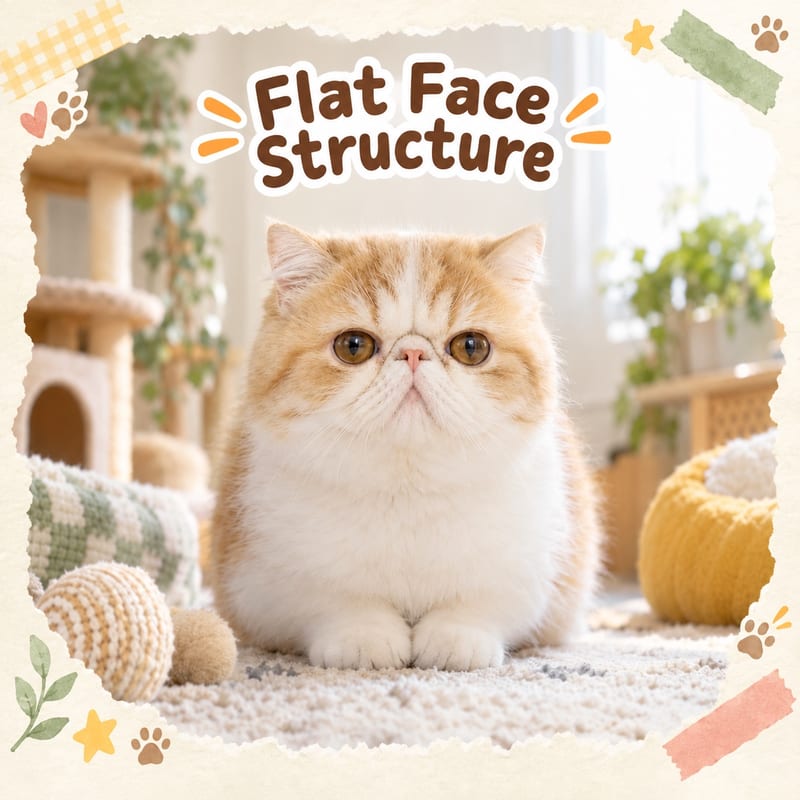
The Exotic Shorthair's short nasal passages affect more than snoring: chronic respiratory obstruction makes them less tolerant of heat stress, anaesthetic risk, and surgery than ordinary cats; shallow eye sockets make the cornea easily damaged; tightly packed teeth easily accumulate tartar. These problems alone are not fatal, but they amplify the severity of acute events (heatstroke, respiratory infection, dental infection). So the longevity logic for flat-faced cats is straightforward: avoid triggering situations (insulate from heat, insulate from risk), and deal with small problems early (dental cleaning, eye care).
Polycystic Kidney Disease (PKD): The Number One Genetic Variable in Exotic Shorthair Lifespan
PKD is a known genetic predisposition in Persian lines (including the Exotic Shorthair): cysts form in the kidneys and enlarge with age, and some individuals develop impaired kidney function in middle age. Veterinary genetics research has long tracked how this gene spreads in Persian lines, which is exactly why reputable catteries screen by ultrasound and publish the parents' results. For owners, action has two levels: if pedigree is available, get the parents' screening records; if not (especially with adopted cats), from age 7 do annual abdominal ultrasound plus urine testing. Even if early cysts are found, prescription diets and regular monitoring can help slow progression—the fear with this disease is not finding it, but finding it too late.
Six Factors That Affect Lifespan
- Weight: Exotic Shorthairs gain weight easily, and obesity directly raises the risk of urinary, joint, and diabetes problems—the single biggest factor under the owner's control.
- Screening: Regular assessment for PKD, the heart (HCM is also reported in Persian lines), and dental health.
- Environmental temperature: Heatstroke in a flat-faced cat is an emergency; in Hong Kong summers, air-conditioning is a lifespan safeguard, not a luxury.
- Indoor or not: Falls from height, road accidents, and infections (FIV, feline leukaemia) are all outdoor risks; ask your veterinarian about preventive measures such as feline leukaemia vaccination.
- Diet quality: Sufficient animal protein and adequate water intake (shallow bowls plus flowing water reduce the effort of drinking for flat-faced cats).
- Stress management: Exotic Shorthairs are highly attached; long periods alone and sudden environmental changes cause chronic stress, which research links to lower urinary tract problems.
Screening by Life Stage
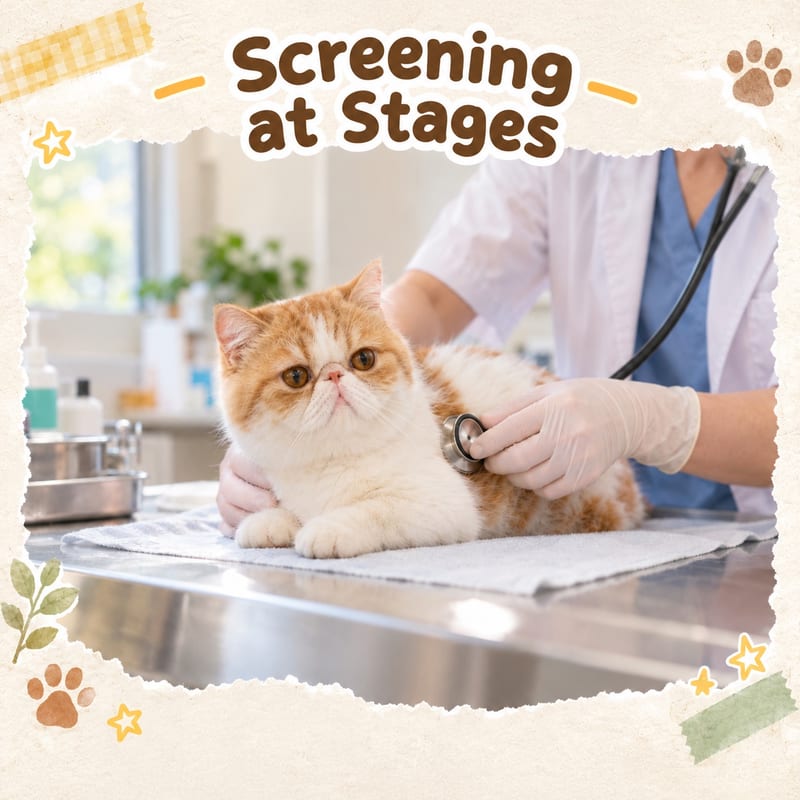
| Stage | Frequency | Focus |
|---|---|---|
| Kitten (2–12 months) | Monthly during vaccination | Vaccines, deworming, weight curve |
| Young adult (1–6 years) | Once a year | Weight, dental, baseline kidney values |
| Middle-aged (7–10 years) | Once a year plus screening | Blood and urine tests, abdominal ultrasound, blood pressure |
| Senior (11 years+) | Every six months | Closer kidney monitoring, thyroid, changes in activity and appetite |
Longevity Checklist: Ten Things You Can Do Now
- Fit window screens throughout the home and keep the cat indoors at all times.
- From the first meal, feed measured portions and weigh at the same time each month.
- In summer, keep room temperature no higher than 26 degrees and have a backup plan when going out.
- Choose shallow bowls plus a flowing water fountain to encourage drinking.
- Check the mouth weekly and treat tartar early.
- Wipe around the eyes daily and watch for changes in one-sided discharge.
- From age 7, annual blood and urine tests plus ultrasound kidney screening.
- At each annual vaccination, have blood pressure measured and the heart listened to.
- Keep routines stable; during changes such as moving house or a new baby, provide extra companionship and hiding places.
- Set aside a medical fund or consider insurance—when screening finds a problem, you need the financial ability to choose a treatment plan.
Case Illustration: The Gap Between Two Trajectories
To make this easier to understand, here are two typical scenarios (generalised examples, not individual diagnoses): Scenario A, a three-year-old flat-faced Exotic Shorthair, free-fed dry food, no vet visits for two years, often left alone in a room with a fan in summer—one-third overweight, starting to show lower urinary tract signs, with heatstroke risk and kidney burden stacking up. Scenario B, same age and breed, measured feeding, flowing water, timed air-conditioning, annual urine tests plus ultrasound—early kidney cysts found at age 3, switched immediately to a prescription diet and monitoring, indices stable six years later. The genetic starting points may be similar; the difference is all in management. Longevity is not mysticism; it is a series of unremarkable decisions carried out consistently. Also note: insurance and medical fund arrangements are best made before the cat is diagnosed with any chronic disease—many owners get this order wrong.
Medical Disclaimer
The lifespan ranges and disease descriptions in this article are general breed information and do not constitute a diagnosis. Every cat's genetic background, medical history, and living environment differ; for any medication, diet change, or surgical decision, always follow the advice of the registered veterinarian who has actually examined your cat.
Choosing a Veterinarian for an Exotic Shorthair: Three Practical Questions
Flat-faced cats have specialised medical needs, and choosing the right clinic is like buying extra years of protection. When booking, you can ask three questions directly: First, "Do you have experience and monitoring equipment for anaesthesia in brachycephalic cats?"—any future surgery for an Exotic Shorthair (dental, or neutering done late) involves anaesthetic risk from airway management. Second, "Do you perform ultrasound screening of the kidneys?"—this reflects their willingness to carry out annual screening. Third, "If my cat has rapid breathing at night, what is your emergency procedure?"—the emergency window for flat-faced cats is short, and knowing in advance beats phoning afterwards. On cost, a basic check-up with blood tests at a typical Hong Kong clinic is about HK$800–2,000, with ultrasound extra; budget at that order of magnitude.
Related Reading
- Exotic Shorthair disadvantages and how to cope
- Exotic Shorthair personality and intelligence
- Key points for keeping an Exotic Shorthair in Hong Kong
- For help with weight-based feeding and water management, visit PetChill pet supplies to see measured feeding bowls, flowing water fountains, and cat weight-tracking ranges.
The figures and screening recommendations in this article are general guidance; consult a registered veterinarian for actual arrangements.
 Fuji One full guide →