
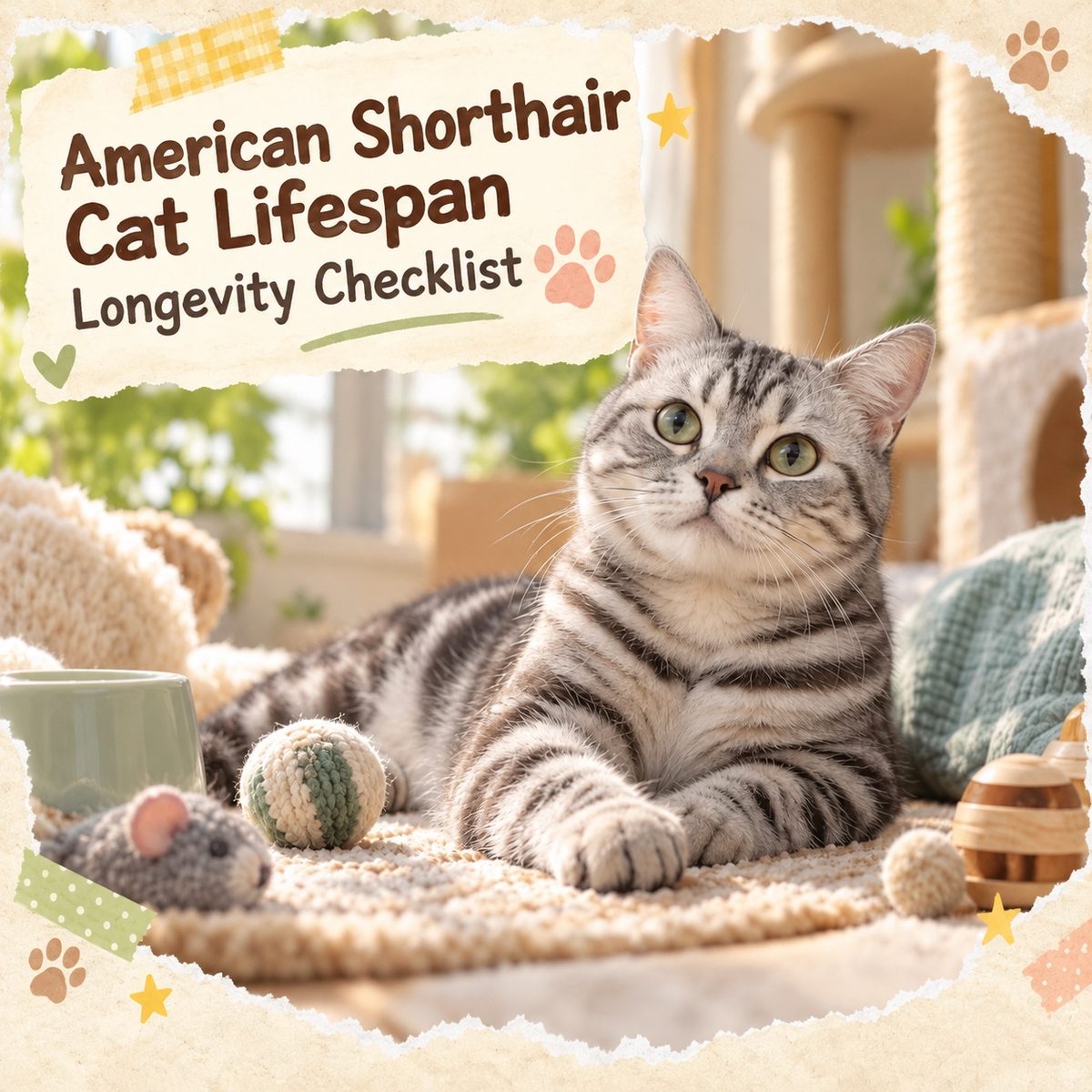
Quick answer: The common lifespan range for an American Shorthair is about 15–20 years, making them one of the longer-lived and hardier purebreds. They don't have the respiratory burden of flat-faced cats; their main health hurdles are obesity and hypertrophic cardiomyopathy (HCM). The order of factors affecting lifespan is: indoor living > weight control > regular screening > diet quality > environmental temperature > genetic starting point.
Want to know all about the American Shorthair? Start with the American Shorthair breed profile.
American Shorthair lifespan: how to read this range
A cat's lifespan depends first on how it is kept: veterinary literature has long recorded that indoor-only cats have a significantly longer life expectancy than cats that go outside, which face traffic, infectious diseases and fight injuries. At breed level, registries such as CFA generally describe the American Shorthair's common range as 15–20 years—a figure several years higher than many breeds that look good but are frail, reflecting the sturdy build from their farm cat ancestry.
| Scenario | Lifespan expectation |
|---|---|
| Indoor + weight controlled + regular screening | 15–20 years, some even longer |
| Indoor but free-fed, no screening | 12–16 years, increased risk of complications |
| Allowed outdoors | Noticeably lower, dominated by acute risks |
Breed only determines the risk list; management determines the actual outcome. For those searching "British Shorthair lifespan", "domestic cat lifespan" or "domestic cat lifespan", this logic applies to all breeds.
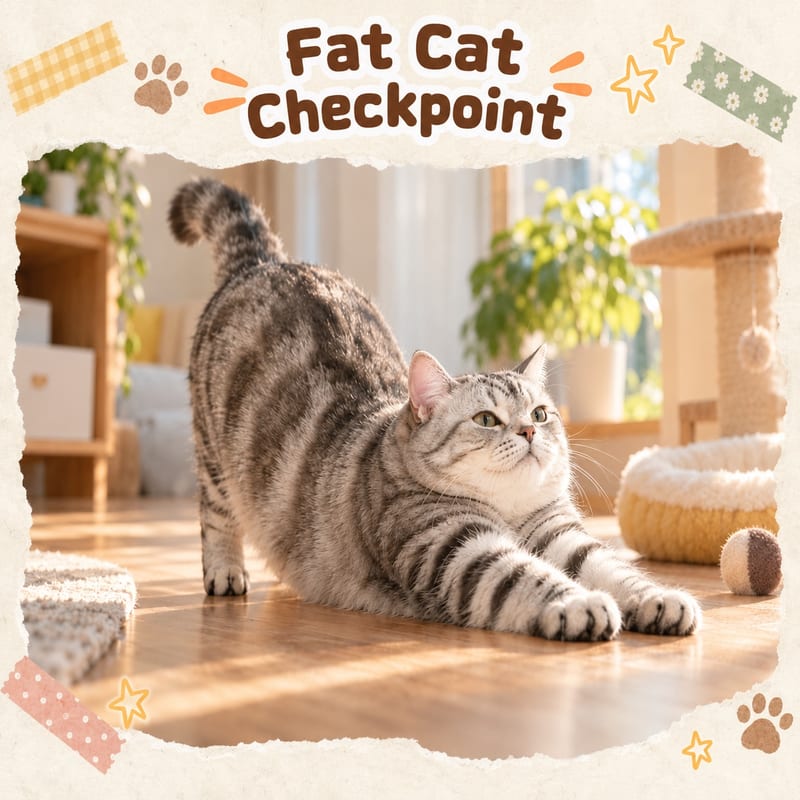
Hurdle one: obesity—the number one controllable killer of American Shorthairs
American Shorthairs are muscular and large-framed; they don't look obviously fat until you weigh them, so obesity is often discovered late. Long-term excess weight directly raises the risk of diabetes, lower urinary tract disease and joint strain, and also masks the pathological signs of early muscle loss. Response: from the first meal, feed measured portions (calculate daily calories, not free-feeding); reduce portions immediately after neutering; weigh monthly at the same time and plot a trend line. A cat food scale is the highest-value investment in longevity you can make.
Hurdle two: HCM screening
Hypertrophic cardiomyopathy (HCM) is the most common heart muscle disease in cats, with a genetic predisposition in several purebreds (including the American Shorthair). Early on it often has no symptoms at all, and some individuals first present as an emergency. The pragmatic approach in the veterinary field is: annual check-ups include auscultation; if a heart murmur, arrhythmia or gallop rhythm is found, arrange an echocardiogram for confirmation; when buying a kitten, check the parents' screening records—this is the lowest-cost prevention. Know the emergency signs: sudden reluctance to walk, hind leg weakness or dragging, rapid breathing, dark purple gums—any one of these means immediate veterinary attention; these situations are measured in minutes.
Six factors that affect lifespan
- Indoor or not: Falls from height, car accidents, infectious diseases (FIV, FeLV) are all concentrated outdoors; there is no compromise here.
- Weight: see above; the most influential controllable factor.
- Screening frequency: HCM auscultation, blood and urine tests for kidney values, dental checks, increasing with age.
- Diet and water intake: sufficient high-quality protein plus high water intake (wet food, flowing water sources) protects the urinary tract and kidneys.
- Vaccines and deworming: even indoor cats should complete core vaccines and regular deworming as advised by the vet; pathogens can come in on shoe soles and through open windows.
- Chronic stress: studies show long-term environmental stress is linked to lower urinary tract disease; American Shorthairs are strongly attached, so a stable routine is health management.
Screening table by life stage
| Stage | Frequency | Key items |
|---|---|---|
| Kitten (2–12 months) | Monthly during vaccination period | Core vaccines, deworming, weight curve |
| Young adult (1–6 years) | Once a year | Weight, dental, baseline kidney values, auscultation |
| Middle-aged (7–10 years) | Once a year, more frequent | Blood and urine tests, blood pressure, cardiac assessment |
| Senior (11+ years) | Every six months | Kidney function, thyroid, weight changes |
Longevity checklist: ten things you can do now
- Check all windows; keep cats indoors at all times.
- Feed measured portions, weigh monthly and record trends, reduce portions after neutering.
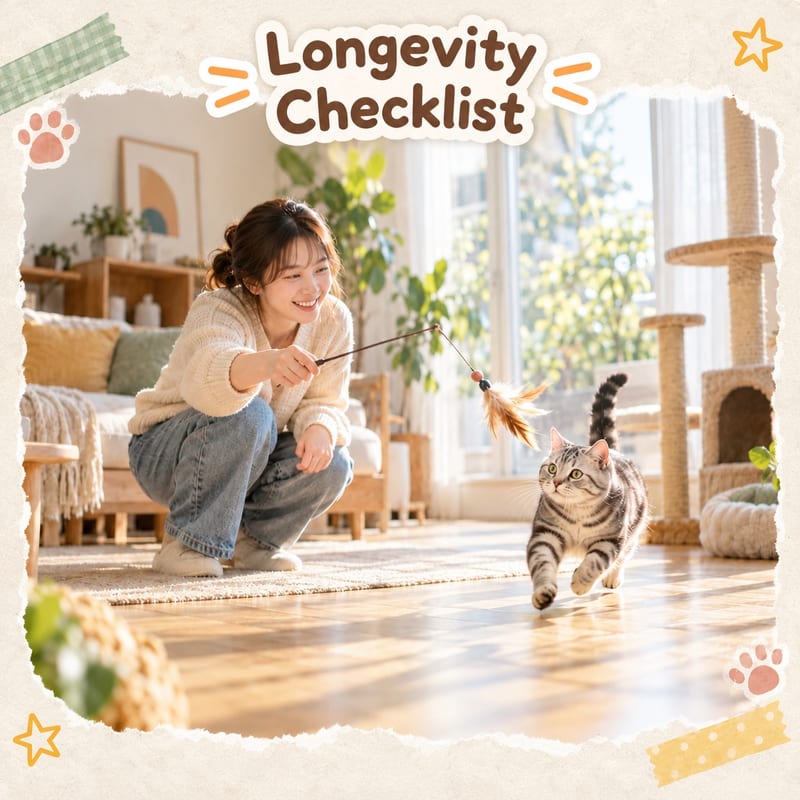
- Two play sessions daily—American Shorthairs need exercise; this prevents both obesity and anxiety.
- Increase the proportion of wet food and add flowing water to protect the urinary tract.
- Annual check-up including auscultation; follow up with echocardiogram if abnormal.
- Check the mouth weekly; treat tartar early.
- From age 7, blood and urine tests annually; after 11, every six months.
- Keep routines stable; during moves or new babies, provide extra companionship and hiding spots.
- Complete core vaccines and regular deworming, even if fully indoor.
- Set aside a medical fund or pet insurance—when screening finds a problem, you need the financial ability to choose treatment.
Which search terms are relevant to you
For those searching "longest-lived cat", the cats over thirty years old in literature and reports are extreme cases; don't use them as a baseline for anxiety; a reasonable goal is 15–20 years with good management. For those searching "domestic cat lifespan" or "domestic cat lifespan", the answer is consistent: genetic diversity means domestic cats have fewer specific inherited burdens, but the main factor that separates lifespans is always how the cat is kept—good news for those considering adoption.
Medical disclaimer
The lifespan ranges and screening recommendations in this article are general breed information and do not constitute a diagnosis. Every cat has a different genetic background, medical history and living environment; any medication, diet change or surgery decision should be based on the advice of the registered veterinarian who has actually examined your cat.
Planning for ten years from now: adjusting life for a senior American Shorthair
After a cat turns twelve, many details need to change: lower the food bowl to protect the cervical spine; switch to a litter tray with a lower entrance; change play to ground-based, slow-paced games and no longer require high jumps; watch for joint stiffness in winter (slow to get up, reluctant to jump onto tables). The most easily missed sign in old age is "slowly getting worse"—gradually increasing drinking, gradually decreasing appetite, slowly losing weight; owners get used to it and stop noticing, but this curve is often the early manifestation of kidney or metabolic disease. So the six-monthly check for senior cats is not a formality: blood tests including kidney values and thyroid, urine tests including specific gravity, are needed to catch problems before symptoms appear. This breed is hardy enough that longevity is the norm—preparing the right support is the owner's responsibility.
Key summary
- ✅ American Shorthair lifespan is commonly 15–20 years, a hardy and long-lived type among purebreds.
- ✅ The number one controllable hurdle is obesity: measured feeding plus monthly weighing, starting from kittenhood.
- ✅ HCM is screened by annual auscultation; sudden hind leg weakness or rapid breathing are emergency signs.
- ✅ From age 7, increase blood and urine tests; after 11, every six months.
- ✅ Indoor living, water intake and vaccines/deworming are the common baseline for all cats.
Related reading
- American Shorthair disadvantages and how to cope
- American Shorthair weight and growth guide
- Key points for keeping an American Shorthair in Hong Kong
- Food scales, flowing water fountains and weight-management feeding helpers: see the feeding range at PetChill pet supplies.
The figures and screening recommendations mentioned in this article are general guidance; consult a registered veterinarian for actual arrangements.
 Wellness Core full guide →



