

Quick answer: Birman cats are generally thought to live around 12 to 16 years, and well-cared-for indoor cats can approach or even exceed the upper limit. The five most critical factors, in order, are: genetic disease screening (HCM/PKD), weight management, indoor safety, diet quality and frequency of veterinary check-ups. There is no miracle drug for longevity — it comes down to an actionable checklist.
Want to know more about Birman cats? Continue reading our series below.
Birman Cat Lifespan: An Honest Number First
In public information and breeders' experience, the commonly cited lifespan range for Birman cats is 12–16 years, and indoor cats with good care can approach or exceed the upper limit. Why such a wide variation? Because the "breed average" is pulled by two things: the distribution of genetic diseases in bloodlines, and the quality of care. In other words, you cannot choose your cat's genetic starting point, but you can absolutely choose the curve near the endpoint.
Both the Cat Fanciers' Association (CFA) and The International Cat Association (TICA) list the Birman as a medium-sized breed with generally good health, but also highlight heart issues such as hypertrophic cardiomyopathy (HCM) as a key concern. Veterinary resources from the Royal Veterinary College (RVC) in the UK and the University of California, Davis (UC Davis) in the US also point out that among breed-related diseases in cats, myocardial hypertrophy and kidney disease are the two main causes of reduced average lifespan — exactly the areas Birmans need attention on.
Five Major Factors Affecting Lifespan
1. Genetics (HCM and PKD). Birmans are one of the known susceptible breeds for hypertrophic cardiomyopathy (HCM); polycystic kidney disease (PKD) is relatively rare in Birman bloodlines but still exists. HCM can develop only in adulthood, so "clear on check-up now" does not mean "clear forever". Response: ask the cattery for the parents' screening records, and arrange regular cardiac ultrasound as advised by your veterinarian once adult.
2. Weight. Birmans generally have a good appetite after neutering, and excess weight raises the risk of diabetes, joint and urinary problems. Response: feed measured portions, weigh monthly at a fixed time, and use body condition scoring (ribs can be felt but not seen) as the standard.
3. Environmental safety. Road accidents, ingestion of foreign objects and infections from fights are the three biggest killers of outdoor cats; Birmans are naturally trusting of people and their environment, so letting them roam is like running naked. Response: strictly indoor plus window screens throughout the home.
4. Diet. High-quality protein and adequate water intake (a higher proportion of wet food benefits urinary health) are the recognised direction. Response: choose cat food with complete nutritional labelling, and transition gradually to avoid digestive sensitivity.
5. Frequency of medical care. Cats are masters at hiding symptoms, and by the time something seems wrong it is often already advanced. Response: annual check-ups for adults, every six months from age 8, with blood tests.

Health Check Focus Table by Life Stage
| Stage | Age | Check-up focus |
|---|---|---|
| Kitten | 0–1 year | Vaccination schedule, deworming, weight curve tracking |
| Growth | 1–4 years | Post-neutering weight management, first baseline blood and cardiac check |
| Adult | 4–8 years | Annual physical, dental check, HCM screening at recommended intervals |
| Mature | 8–12 years | Six-monthly check, kidney values, blood pressure, thyroid |
| Senior | 12+ years | Six-monthly to quarterly check, mobility and pain management |
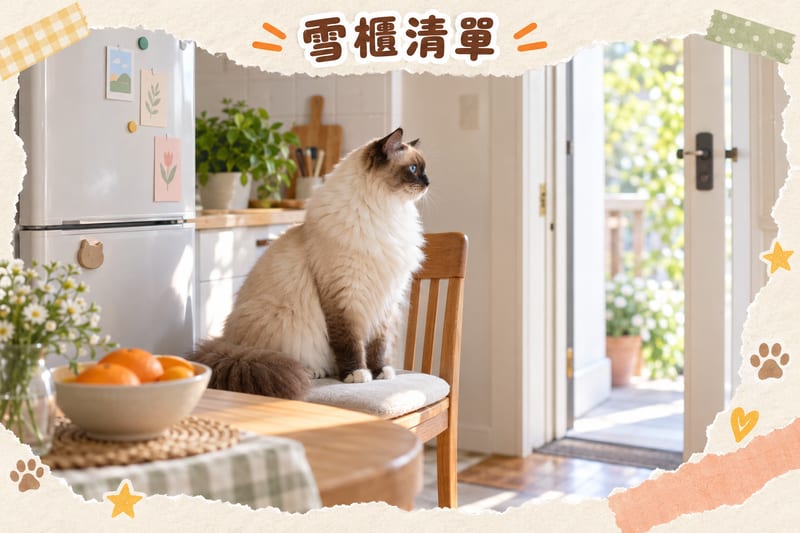
Longevity Checklist: The Kind You Stick on the Fridge Door
- Keep strictly indoors with window screens; zero outdoor access.
- Feed measured portions daily, weigh monthly, maintain ideal body condition score.
- Increase the proportion of wet food to protect the urinary system.
- Keep parents' genetic screening records, and arrange cardiac ultrasound at recommended intervals.
- Do not skip vaccinations and deworming (even for indoor cats).
- Annual dental check — periodontal disease is linked to heart and kidney risks.
- From age 8, a check-up every six months with full blood tests.
- Stress management: during moves, new family members or renovations, provide extra space and reassurance; long-term stress is bad for the immune system.
- Emergency preparedness: note the nearest 24-hour veterinarian and procedures for poisoning or stroke.
- Insurance or a medical fund — don't delay diagnosis because of money.
Birman Cat Diseases: Which Signs Need Immediate Veterinary Attention
The following are red-flag symptoms requiring immediate medical attention, not a diagnostic list: rapid breathing or open-mouth breathing (possible HCM-related emergency), sudden hind-leg weakness (risk of blood clot), complete loss of appetite for more than 24 hours, persistent vomiting, frequent urination with no urine produced (urinary obstruction is an emergency), and sudden marked weight loss. If any of these occur, don't search for answers — contact your veterinarian directly. The disease risks mentioned in this article are for educational purposes only and do not constitute a diagnosis; for individual medical arrangements for your Birman, please consult a registered veterinarian.
Caring for the Senior Cat: Three Adjustments for the Final Years
As Birmans enter maturity, care needs to keep up with bodily changes:
- Diet transition: Kidney function declines with age, and veterinarians generally recommend increasing the proportion of wet food and moderately controlling phosphorus for senior cats; transition over two weeks, as older cats' digestion is more stubborn than you might think.
- Pain-free environment: Joint wear makes jumping onto the sofa a consideration — add intermediate steps or ramps; switch to a low-sided litter box for easy access; move sleeping areas to a warm, draught-free corner.
- Institutionalised observation: Once a week, record "three numbers" — weight, water intake, and number of litter box visits. Many diseases in older cats have no obvious symptoms, but these three numbers tell the story first. If any one deviates from baseline for two consecutive weeks, book an appointment without delay.
In addition, senior Birmans' grooming ability declines (joint pain, reduced flexibility), and their silky long coat that they could once manage themselves will start to mat; daily brushing upgrades from "recommended" to "essential", and professional grooming should be arranged if necessary.
Preparing for the End: A Lesson We All Eventually Face
It may be unlucky to talk about this, but a longevity article without this section is incomplete. When a cat enters the end of life, two things are worth thinking about before the "last moment": first, discuss with your veterinarian in advance the criteria for quality-of-life assessment (appetite, mobility, ease of breathing) to avoid making decisions in a panic; second, understand local pet funeral or cremation arrangements so you are not scrambling at the time. Keeping a cat with an average lifespan of a dozen or so years is itself a contract with a time limit — making the days within that limit good is the best arrangement for both of you.
One-Sentence Summary
The lifespan number is the hand genetics deals you; how you play it is up to the owner. The genetic risks for Birmans are clearly known — HCM and PKD both have screening methods; and weight, environmental safety and check-up frequency are three cards entirely in your hands. Do everything controllable to the fullest, and the upper end of the 12–16 year range is the script most Birmans deserve.
Related Reading
- Birman Cat Disadvantages: Full Disclosure
- Birman Cat Price and Adoption Guide
- Birman Cat Personality and Intelligence Analysis
- Get all your weight management tools for Birmans: visit PetChill pet supplies for measuring bowls, circulating water fountains and pet scales.
The health information in this article is for general reference only and does not constitute diagnosis or treatment advice; for individual medical arrangements for your Birman, please consult a registered veterinarian.
 Royal Canin full guide →


 Fuji One full guide →





