
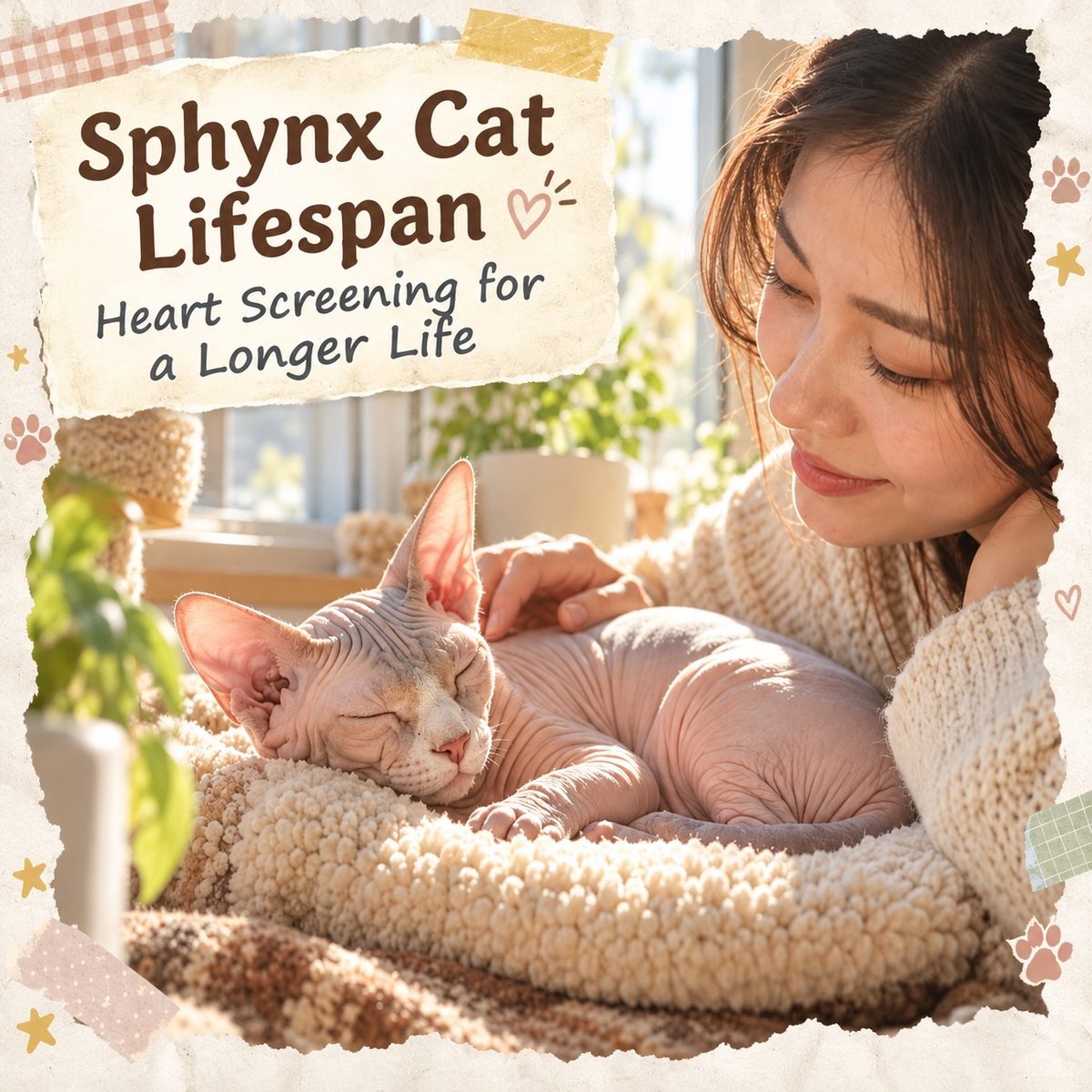
Quick answer: The hairless cat (Sphynx) typically lives 12–15 years, which is normal for a cat. The three major breed variables affecting lifespan: hypertrophic cardiomyopathy (HCM, the main health threat), skin infections and oil management, and weight and feeding method. Guard these three lines—"regular heart screening from age three + weekly skin care + weight monitoring"—and this breed's expected lifespan and quality of life are above average for cats.
Want to know all about hairless cats? First see the Hairless Cat Breed Profile and the Complete Hairless Cat Guide.
1. Lifespan range: how to read the data
Both TICA and CFA breed introductions give the range 12–15 years; breed statistics from the UK veterinary insurance database also roughly match. To interpret this number correctly: it is the median range under the premise of "proper care and widespread screening", not a ceiling. In reality, cases of Sphynx cats with good health management living to seventeen or eighteen are not uncommon; conversely, individuals with no heart screening at all may encounter the worst-case scenario of "sudden collapse without prior illness"—this is exactly the nature of HCM, so lifespan discussion is particularly meaningful for this breed.
| Life stage | Age | Health management focus |
|---|---|---|
| Kitten | 0–1 year | Observe gait (myopathy warning sign), vaccinations and neutering, establish bathing routine |
| Young adult | 1–7 years | Annual weight and dental check, skin oil management, baseline heart screening from age 3 |
| Middle-aged to senior | 8–11 years | Annual blood and urine tests, continue heart screening, upgrade warmth |
| Senior | 12+ years | Full check every six months, low-sided litter box, switch to senior diet |
2. Number one threat: hypertrophic cardiomyopathy HCM
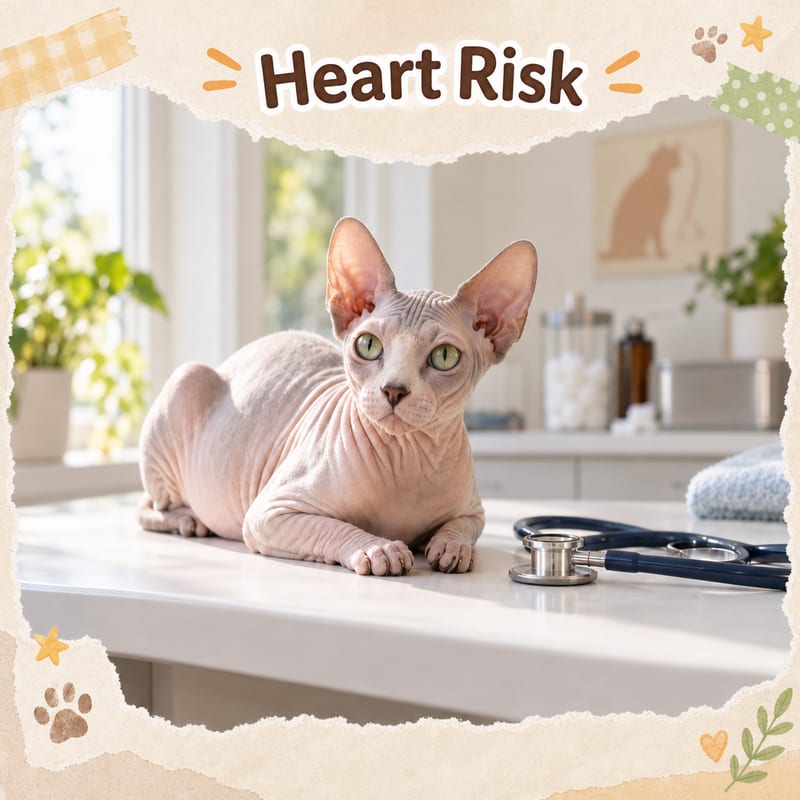
HCM is thickening of the ventricular wall and narrowing of the heart chamber, which can lead to rhythm problems, thromboembolism, or even sudden death. The cruel part is that there are completely no symptoms in the early stage—eating well, playing well, and even auscultation may be normal, and by the time symptoms appear it is often advanced. The Sphynx is a recognised HCM-risk breed, and studies report that the proportion of abnormal cardiac ultrasound in this breed is significantly higher than in the general cat population (generally considered around ten percent, with numbers varying between studies, and some lines higher). Precisely because it is asymptomatic, screening is the only weapon:
- From age three, once a year to once every two years baseline heart screening: listen for heart murmurs and arrhythmias
- If in doubt, refer for cardiac ultrasound (non-invasive, a few tens of minutes); some clinics can use blood NT-proBNP for initial screening
- Before getting a cat, ask the breeder for parental cardiac ultrasound screening records—offspring of parents both screened normal have significantly lower risk
- Diagnosed individuals can be managed with medication to reduce complication risk, with regular rechecks
3. Second defence line: skin health affects overall quality
The hairless cat's skin is not simply "saving the grooming step"—without a coat to absorb sebum, oil accumulates and directly causes folliculitis, seborrhoea, and odour; after scratching, secondary bacterial infection occurs, and cats with long-term recurrent inflammation have poorer sleep and mood. Fungal infection (ringworm) in hairless cats has no hair signs to follow; early signs are circular red patches with scaling, easily mistaken for allergies and missed. The management principle is simple but must be done thoroughly: bathe once every seven to ten days with warm water, use a fragrance-free mild shampoo, and dry after bathing; on other days, wipe the body with wet wipes to handle local oiliness; in the humid season of returning south winds, pay special attention to behind the ears, chin, and belly. Guarding this skin line well saves not only consultation fees but the cat's comfort all day.
4. Other breed-related health issues
Besides HCM and skin, three things to keep in mind: first, hereditary myopathy (MSMD): the Sphynx has specific reports of muscle atrophy, with consequences ranging from mild weakness to affecting swallowing and breathing; the warning sign is abnormal weakness in walking in kittens, tiring easily when eating—see a neurology veterinarian immediately if it appears; second, urinary tract problems: statistically this breed has a higher proportion of lower urinary tract disease and kidney problems, so water intake must be watched closely, with wet food plus a flowing water fountain as standard; third, weight and dental: a breed with a large appetite, if free-fed, easily becomes overweight, and overweight directly increases cardiac burden; gingivitis also affects quality of life. All of the above are "manageable" categories, none is a death sentence, and the key is the same thing: regular check-ups, don't wait for symptoms.
5. Longevity checklist: achievable item by item
- Do heart screening on time: from age three, don't slack off—this is the most important line for this breed
- Make skin care routine: weekly bathing, wet wipe body, clean ear canals, prevent folliculitis before it starts
- Control weight: timed feeding, don't leave food out all day, maintain body condition score "feel ribs but don't see them"
- Adequate water intake: flowing water fountain plus wet food to protect the urinary tract
- Keep indoors only: avoid traffic accidents, infections, and heatstroke or hypothermia risks; they are inherently unsuitable for going outside
- Neutering: reduces reproductive system diseases and behavioural stress
- Annual health check plus blood tests: upgrade to every six months after age eight, early detection of kidney values
- Guard both warmth and sun protection: cold stress and sunburn are both lifespan variables unique to this breed
6. Special considerations for Hong Kong environment
Keeping a hairless cat in Hong Kong, climate is the second biggest variable. Winters are damp and cold but most homes have no heating; cold stress is not good for a breed with high cardiac burden—cat clothes and warm mats should be introduced from kittenhood. In summer, the temperature difference between air-conditioned rooms and outdoors is large, so pay attention when going in and out; the humid season of returning south winds is the peak fungal period, so double the frequency of skin checks. Regarding medical facilities, there are already many clinics in Hong Kong with cardiac ultrasound equipment; when booking, directly ask "do you have cardiac ultrasound service"; from an insurance perspective, the Sphynx is an insurable breed but hereditary diseases such as HCM often have waiting periods or exclusions, so read the terms clearly before insuring; premiums are about one thousand to several thousand dollars per year.

7. Care adjustments for senior hairless cats
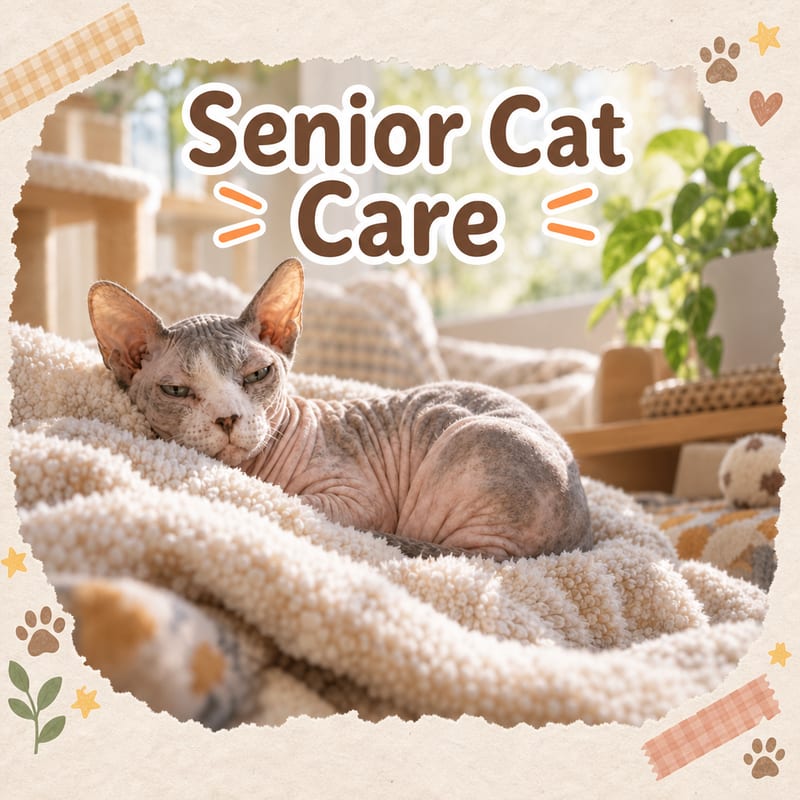
After twelve years, this breed's cold-sensitive nature amplifies—senior cats lose muscle and have poorer temperature regulation, so warm mats should be on all year round, and the litter box changed to a low-sided model for easy access. Switch diet to an easily digestible senior formula while maintaining high protein; do not stop heart screening because of "should a senior cat still do it?"—on the contrary, old age is the peak period for cardiovascular events. Behaviourally, if a normally affectionate cat suddenly becomes unwilling to move, breathes faster, or has weak hind legs, these are warning signs of heart problems, not simply "getting old", and a veterinarian should be seen within 24–48 hours.
Key summary
- ✅ Lifespan 12–15 years is normal; HCM screening is the most critical move to extend the range
- ✅ Regular heart checks from age three: no symptoms does not mean no disease—that is the cruelty of this disease
- ✅ Skin management is health management: oil → folliculitis → infection, break the vicious cycle at the source
- ✅ Weight, water, indoor-only, neutering—four ordinary things are doubly important for this breed
- ✅ Hong Kong climate: guard both ends—keep warm in winter, sun protection and heat insulation in summer, prevent fungus in humid season
- ✅ Senior care should be upgraded, not reduced: double screening frequency, faster response to warning signs
Related reading
- Full list of hairless cat disadvantages
- Sphynx cat personality revealed
- Hairless cat skin colour illustrated guide
- Hairless cat Hong Kong care guide
- Fragrance-free shampoo, flowing water fountain, pet warm mat: get them all at PetChill pet supplies.
The medical content in this article is general information; breed disease statistics are for reference only. For heart, muscle, and skin-related symptoms, please consult a registered veterinarian; early screening is better than anything.



