
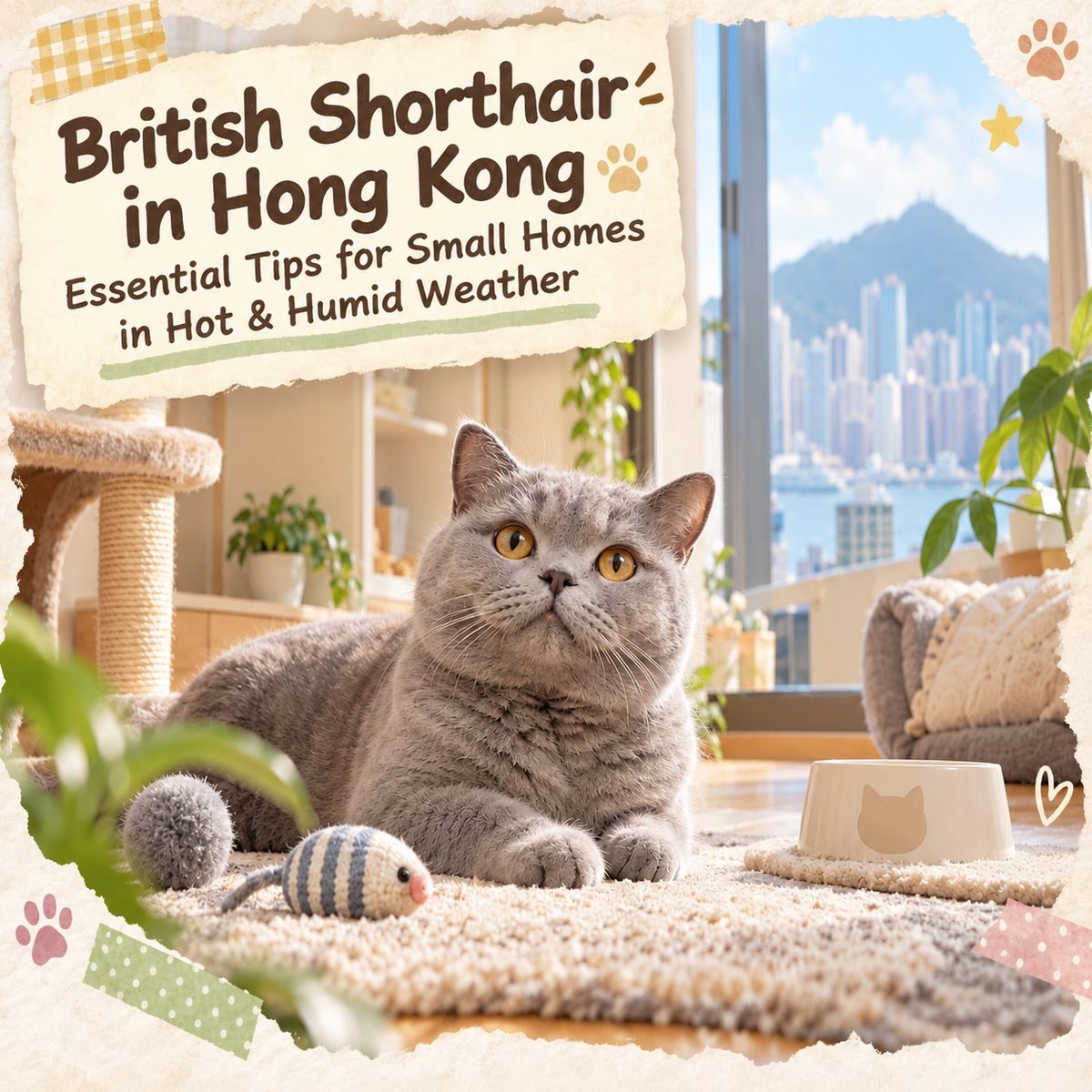
Quick answer: British Shorthairs are low-activity, quiet and independent, making them very suitable for small Hong Kong flats. What you need to watch out for is heat and humidity protection in the hot and humid weather, window screen safety, and the restrictions on pet keeping under public housing and building deeds of mutual covenant. Get these right, and you can still keep a healthy British Shorthair in a small flat.
Want to know the British Shorthair inside out? Start with the British Shorthair breed profile and the complete British Shorthair guide.
Why British Shorthairs Suit Hong Kong Living So Well
Hong Kong's average living space is small, and the first hesitation for many people thinking about getting a cat is "is my home big enough?". The British Shorthair's breed traits fit the bill perfectly: low activity, no need for long runs, rarely vocal, doesn't disturb neighbours, solid-boned and on the quiet side. It is not a breed that needs a lot of space; what it needs instead is a stable environment and a fixed routine — exactly what Hong Kong office workers can most easily provide: fixed evenings at home, stable feeding times, and a home that won't suddenly move here and there. The Cat Fanciers' Association (CFA) breed standard for the British Shorthair describes it as "calm, balanced, not requiring a large amount of exercise", and this trait fits Hong Kong's small-flat environment perfectly. It is not a breed that needs daily energy burn-off; whether the view outside the window is Victoria Harbour or a back alley behind a subdivided flat, it stays equally unfazed. Compared with breeds that need vigorous exercise, a British Shorthair can live comfortably in a two-hundred-odd-square-foot flat, provided the safety and comfort measures below are in place.
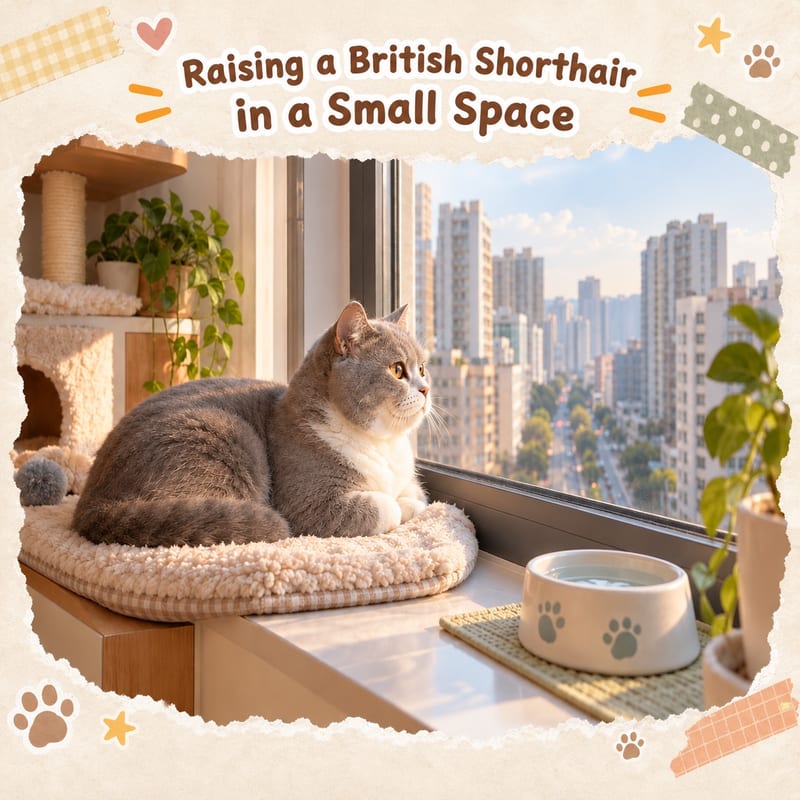
Home Preparation: The Small-Flat Three-Piece Set
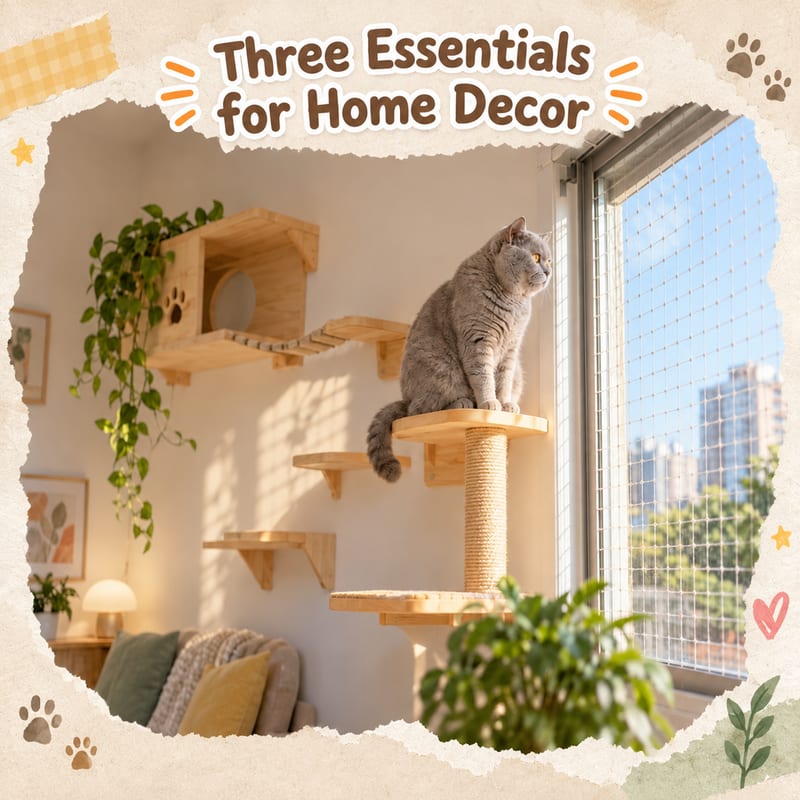
- Vertical space: A cat tree or cat wall panels on one wall, giving it a high spot to "patrol its territory" and making up for the lack of floor area.
- Window screens and screen doors: Hong Kong's tong lau and densely packed single-block buildings mean falling accidents happen again and again. All windows, including kitchen and bathroom transom windows, must be fitted with cat-proof screens or anti-fall nets.
- Safety check: Put away electrical cords, needles and thread, and small plastic items; never keep plants toxic to cats such as lilies and pothos. Hong Kong buildings have many window ledges and narrow platforms, and cat falls happen every year. Vets and rescue organisations generally regard window screens as the number one investment in cat keeping — never skimp on this.
Legislation and Contracts: Get This Clear Before You Get a Cat
- Public housing: The Housing Authority has strict rules on keeping animals in public housing; keeping one without approval can lead to a requirement to remove it or even affect the tenancy. Tenants should keep up with the latest policy and not count on getting away with it.
- Building deeds of mutual covenant and tenancy agreements: For private buildings, serviced apartments and tenants alike, check the deed of mutual covenant clauses and the landlord's consent. Some buildings explicitly prohibit cats and dogs, and the owners' corporation has the right to require removal.
- Adoption organisation requirements: When adopting through the SPCA or IRC, the organisation will assess the living environment in person or by video. Window screens are a mandatory item and there is basically no leeway here — without window screens, approval is almost certain to be refused.
- Microchip registration and quarantine: Imported cats involve quarantine rules. If bringing a cat back to Hong Kong from abroad, find out the Agriculture, Fisheries and Conservation Department requirements well in advance and don't underestimate the procedures.
The adoption guidelines of the Society for the Prevention of Cruelty to Animals (RSPCA Hong Kong branch) and local rescue organisations repeatedly stress: confirming residential permission and environmental safety are the core items in adoption screening. In one sentence: "wanting a cat" does not equal "being allowed to keep a cat" — checking the rules and contracts first is the first step in being responsible to the cat.
Hong Kong Summer: Heat Protection Is the Number One Issue for British Shorthairs
The British Shorthair originates from the UK, with a dense coat and undercoat, and is naturally cold-tolerant but not heat-tolerant. From May to October Hong Kong is hot and humid, so do this:
- Keep the indoors ventilated or air-conditioned; when going out, don't leave the cat in a room without air conditioning that gets the afternoon sun;
- Put water bowls in several places, change the water daily, and use a flowing water fountain to increase water intake and prevent urinary tract problems;
- Provide a damp cooling mat or gel mat so it can choose its own cool spot — never expect the cat to "just put up with it";
- Watch for a drop in appetite in summer; if it clearly eats less for more than two days, or shows rapid panting or unsteady walking, see a vet immediately;
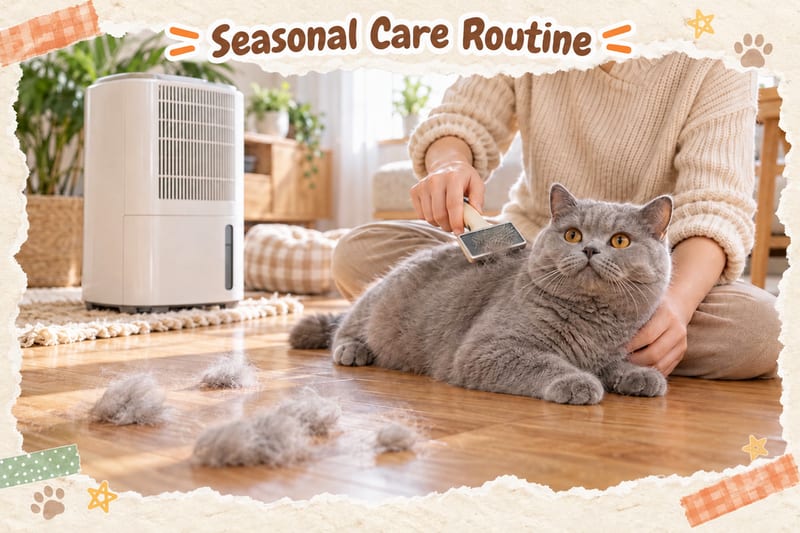
- Shaving is not a good idea — cat fur helps regulate temperature, and shaving it all off can easily damage the skin and cause behavioural problems; regularly combing out loose fur is the right approach.
The Spring Humidity Spell and Damp Prevention: The Invisible Enemy of a Fluffy Cat
During the spring "return of the south wind" humidity spell, humidity often exceeds 100%, cat litter clumps poorly, dry food softens and goes mouldy easily, and cases of fungal skin disease rise. How to cope: switch dry food to small packs plus sealed containers, store cat litter in a dry place and scoop promptly, and on very damp days run a dehumidifier to keep indoor humidity at around 50%–60%. Also watch for abnormal ear scratching, whisker loss or flaking skin — the humidity spell is peak season for fungal disease, and early detection and treatment can make a big difference to vet bills.
Four-Season Management Quick Reference
The British Shorthair's ancestral climate is mild, so it needs an adjustment period in a subtropical island city. Below, each season's risks are broken down so you can follow them one by one:
| Season | Main risks | Suggested measures |
|---|---|---|
| Spring (Feb–Apr) | Humidity spell damp, skin fungus | Dehumidify, seal food and litter, check ears and flakes weekly |
| Summer (May–Oct) | Heatstroke, poor appetite, mosquitoes and insects | Air conditioning and ventilation, flowing water, mosquito prevention |
| Autumn (Oct–Nov) | Shedding season hairballs | Comb more often, hairball help |
| Winter (Dec–Jan) | Dryness, low water intake | Warm bed, wet food to supplement water |
Price and Adoption: Hong Kong Market Rates in Brief
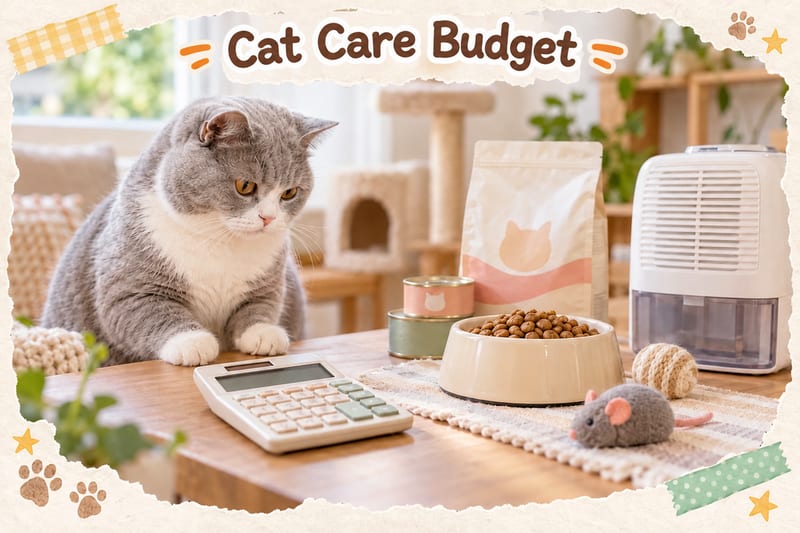
Searches for "British Shorthair price Hong Kong" and "British Shorthair " stay consistently high: local pet-grade British Shorthairs generally cost HK$8,000–15,000, with pedigree-grade starting from HK$15,000. On adoption, purebreds are hard to come by, but the SPCA and IRC sometimes have blue or blue-and-white domestic cats that look just like British Shorthairs, at a much more affordable cost. Whether buying or adopting, remember to budget for air-conditioning electricity and a dehumidifier — these "Hong Kong-specific" expenses. For detailed prices and a verification checklist, see the adoption article in this series; for managing downsides, see the downsides article.
Related Reading
- British Shorthair Price and Adoption Guide
- A Full Breakdown of British Shorthair Coat Colours
- British Shorthair Personality and Intelligence
-
- Window screens, cat trees and dehumidifying supplies: get everything in one place at PetChill Pet Supplies, so your small flat's cat setup is sorted in one go.
The policy descriptions in this article are based on current regulations; for questions about your cat's health and behaviour, please consult a registered veterinarian.
 Fuji One full guide →





